 Free shipping on orders over £29,85
  Shipping Tracking!


 Google
 Facebook
← Back to how to make a resin coating
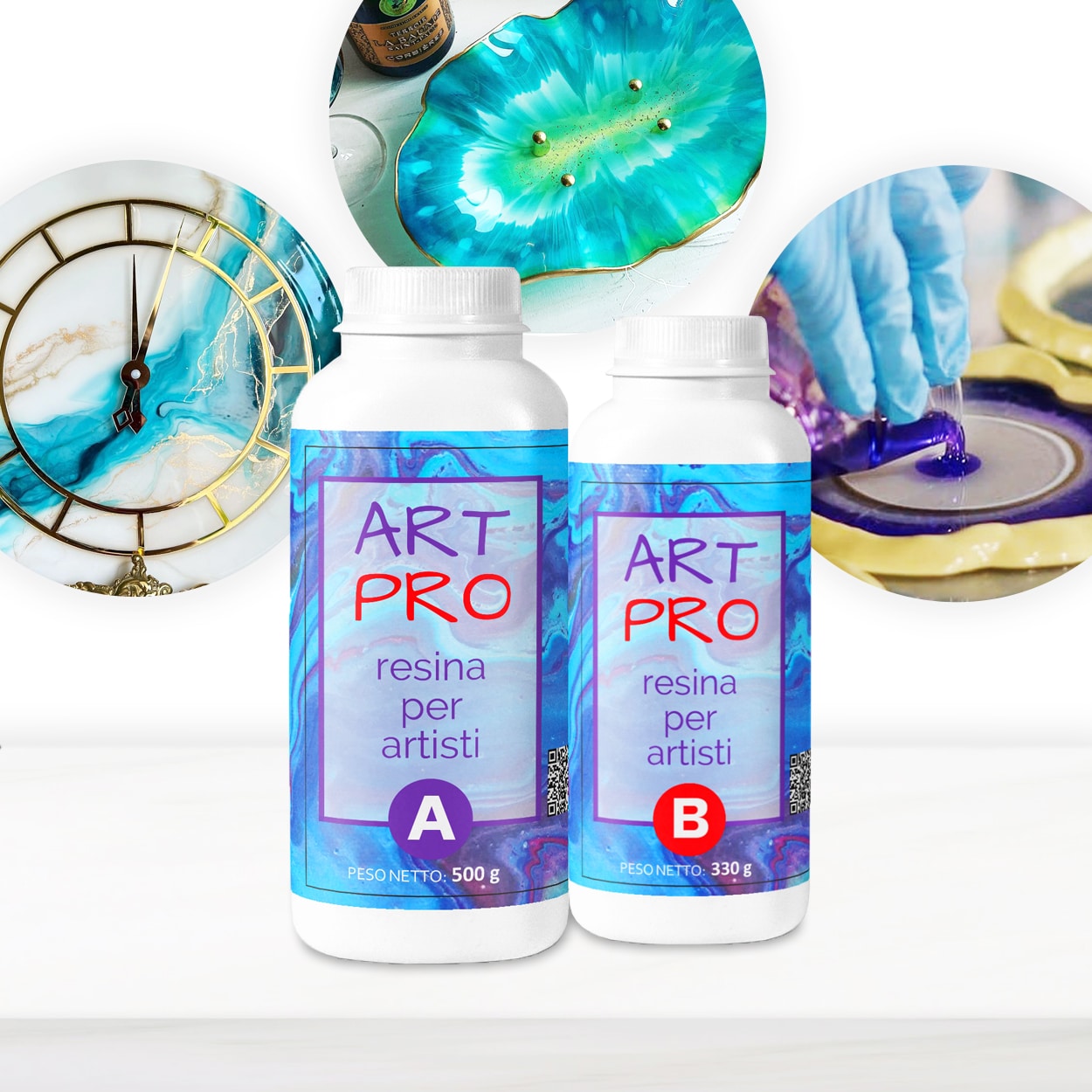
If your resin project has finished curing but the surface feels tacky or sticky, it’s a frustrating problem. Here’s how to diagnose the causes and avoid sticky resin coatings in the future.
Main Reasons Resin Stays Sticky
The most common reason for a sticky resin coating is incomplete mixing or using the wrong ratio of resin and hardener. Resins such as Art Pro Clear Epoxy Resin require precise measurement according to the manufacturer’s instructions—often something like a 3:2 weight ratio. Failing to mix the two parts thoroughly can also result in uncured, sticky spots on the surface.
- Check you’ve measured each component accurately.
- Mix resin and hardener slowly but thoroughly, scraping the sides and bottom of your mixing cup.
- Avoid adding too much pigment as this can disrupt the chemical reaction.
How to Fix a Sticky Resin Surface
If your coating remains tacky after the recommended curing time, first identify whether only the surface is sticky or if the whole layer is soft. For slightly tacky surfaces, you may be able to remove excess resin with isopropyl alcohol before recoating. For fully soft layers, it’s best to remove the resin and start again, making sure to follow the mixing directions closely next time.
- Always work in a dry, dust-free, and well-ventilated area.
- Consider using a resin with a clear, simple mixing ratio, such as Icrystal Clear Epoxy Resin.
- Allow adequate curing time as specified by the product.
When This Matters Most
Getting a flawless resin finish is crucial for art, jewellery, coasters, and tabletop coatings where clarity and durability are needed. Sticky resin can compromise not just looks but also the durability and safety of your finished piece.
Related products
Related guides
Understanding why resin coatings remain sticky is an important part of mastering how to make a resin coating. Always follow the recommended ratios and mixing techniques to achieve exceptional results in your next project.