 Free shipping on orders over £29,85
  Shipping Tracking!


 Google
 Facebook
← Back to How do you make a sphere mould with resin?
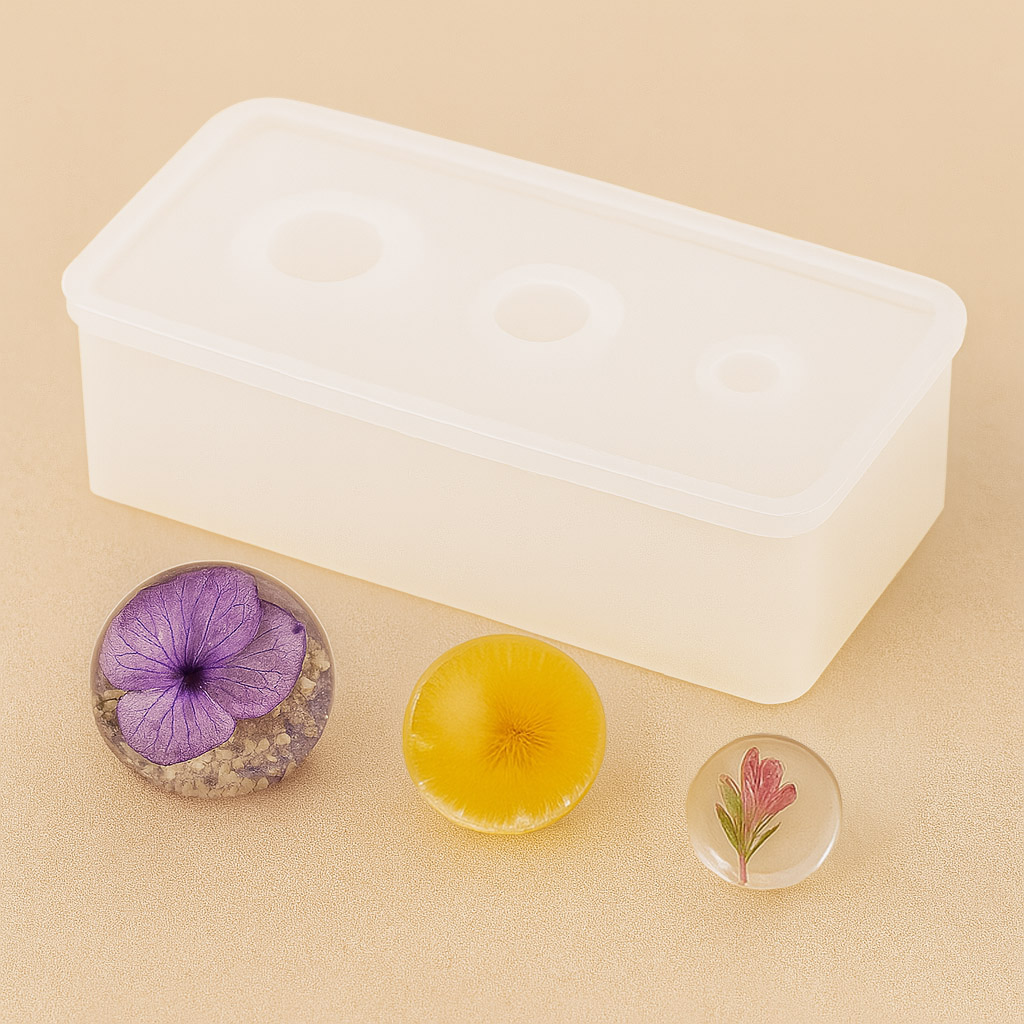
When working with resin and silicone moulds, timing is key to maintaining both the quality of your casts and the longevity of your moulds. One commonly recommended practice is removing your cured resin from the mould within 12 hours of pouring.
Preventing Adhesion and Damage
Leaving resin too long in a silicone mould increases the risk of local adhesion. This can cause the cured piece to stick more firmly, making demoulding difficult and potentially damaging the delicate non-stick surface of your moulds. Prompt removal helps you avoid these problems and keeps the mould’s sides smooth and flexible for future casts.
Tips for Better Results and Durable Moulds
- Check your resin’s recommended demoulding time, but aim not to exceed 12 hours.
- For projects such as small spheres and cabochons, a quality silicone mould ensures easier demoulding.
- After use, clean your silicone moulds gently without harsh solvents and store them in a cool, flat place to maintain their shape.
When This Matters Most
This practice becomes especially important when making detailed or smaller pieces, such as resin jewellery or decorative spheres. Quick demoulding preserves both the clarity of your cast and the reusability of your tools, ensuring crisp results for your intricate designs.
Related products
Related guides
Being prompt with resin removal is a simple step that helps keep your silicone moulds in top condition, especially when working on sphere or cabochon projects. For more tips about resin sphere making, visit our main guide on how to make a sphere mould with resin.