 Free shipping on orders over £29,85
  Shipping Tracking!


 Google
 Facebook
← Back to How do you resin coat polyester wood?
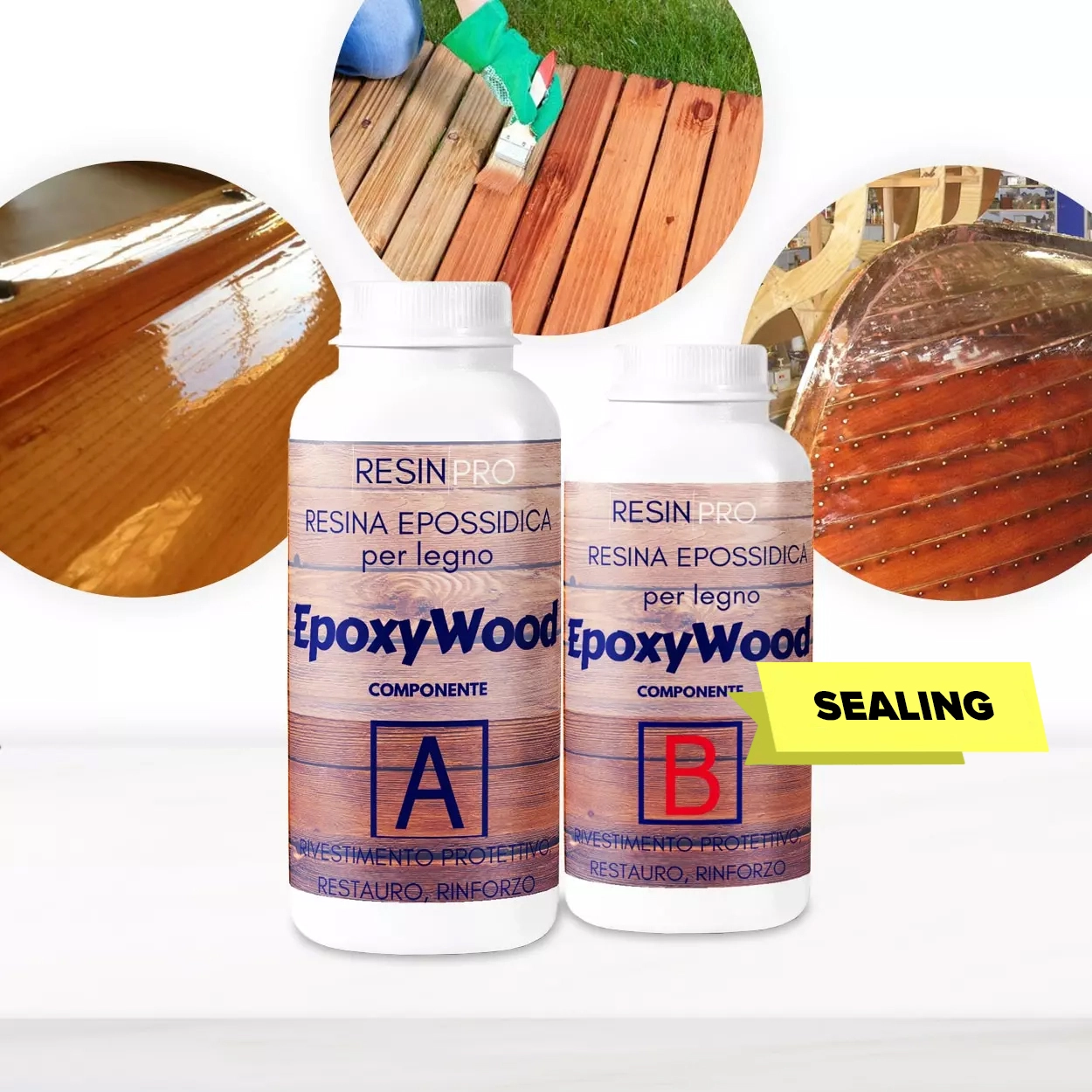
Has your resin pour failed to harden on polyester or wooden surfaces? Understanding why resin sometimes remains tacky or soft helps you avoid costly mistakes and achieve professional finishes in future projects.
Key Reasons Resin May Not Cure
- Incorrect mixing ratios: If resin and hardener are not combined in the recommended proportions, the chemical reaction needed for hardening will be incomplete.
- Poor mixing: Failing to thoroughly mix for the directed time can leave unmixed pockets, resulting in sticky spots and uneven curing.
- Unfavourable conditions: Pouring resin in high humidity or low temperatures slows (or even halts) the curing process. Try to work in a controlled, dry environment above 18°C if possible.
Practical Fixes and Prevention
- Measure accurately: Always use precise tools to ensure the resin and hardener are combined as per product instructions.
- Mix carefully: Stir both parts together slowly and for as long as the manufacturer recommends, scraping sides and bottom of your mixing vessel.
- Check your environment: Avoid pouring on damp surfaces or during cold, humid weather. For best results, surfaces should be dry and sanded before application. Consider using a specialist product like EpoxyWood for optimal results on timber and polyester wood blends.
When This Matters Most
Proper resin curing is especially important when restoring or protecting valuable items or working on surfaces exposed to weather, such as garden furniture or boat hulls. In these cases, an incomplete cure could leave wood vulnerable to water ingress and reduce longevity.
Related products
Related guides
Carefully following the correct process and working conditions is the best way to guarantee a reliable finish when resin coating polyester or wood surfaces. For further advice and in-depth guides, see our main page on how to resin coat polyester wood.