 Free shipping on orders over £29,85
  Shipping Tracking!


 Google
 Facebook
← Back to Why does a resin frame change colour?
Many resin frames and artworks develop a yellow tint over time, leaving owners puzzled. Understanding why this discolouration happens is key to preserving your creations for years to come.
What Causes Resin to Yellow?
Yellowing in resin is predominantly triggered by exposure to ultraviolet (UV) light and elevated temperatures. When these environmental factors interact with the chemical structure of epoxy resin, they alter its clarity and hue. Over weeks or months, even clear resin can gradually shift to a warmer, yellowish shade as a result.
Minimising Yellowing: Practical Tips
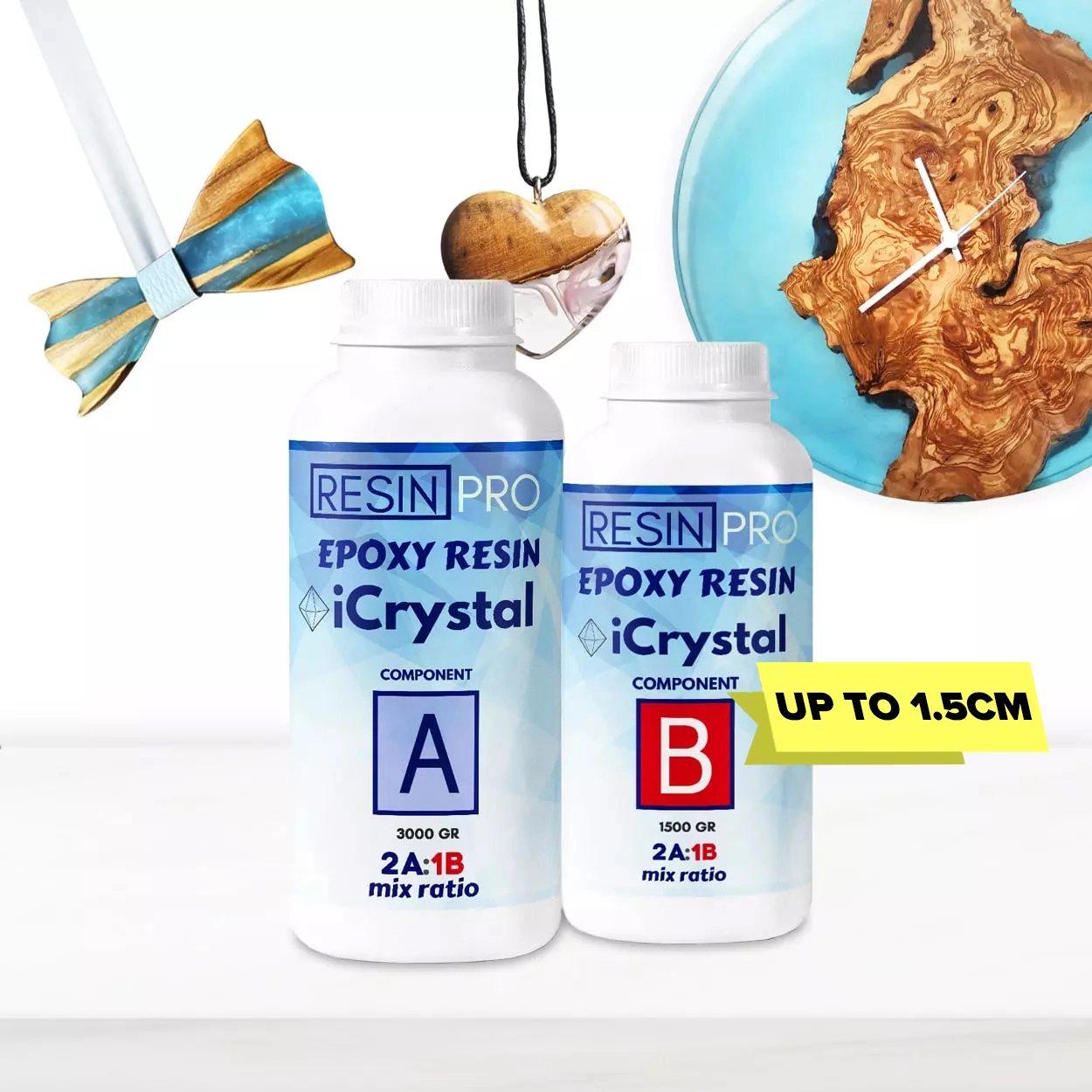
- Choose UV-resistant resins: Modern formulas like Icrystal Clear Epoxy Resin are specially designed with UV filters to delay yellowing.
- Avoid excessive heat: Keep resin frames away from direct sunlight or sources of warmth to help prevent chemical degradation.
- Seal and protect: If possible, display your resin work behind UV-protective glass or in locations less exposed to light.
When This Matters Most
Prevention is particularly important for resin art, jewellery, and functional pieces like tables, where clarity is vital to the overall appearance. Taking extra care in your material choice and display conditions helps maintain a vibrant, crystal-clear finish.

Related products
Related guides
Understanding why resin turns yellow and how to prevent it is essential for keeping your art or furniture looking its best. For those eager to learn more about resin care and colour stability, the full guide on why resin frames change colour offers deeper insight and advice.