 Free shipping on orders over £29,85
  Shipping Tracking!


 Google
 Facebook
← Back to How to use resin for bricks?
Many homeowners and professionals ask whether applying resin to brickwork will prevent bricks from breathing. The answer depends on the type of resin you choose, and understanding this is vital to maintaining the long-term health of your property.
Understanding Breathability in Brickwork
Bricks are naturally porous, allowing moisture vapour to move in and out. This breathability helps prevent trapped damp, reducing the risk of long-term structural issues and mould. The wrong type of resin can block vapour movement, trapping moisture and compromising the integrity of brick surfaces, especially in older buildings.
Types of Resin: Breathable vs. Sealing
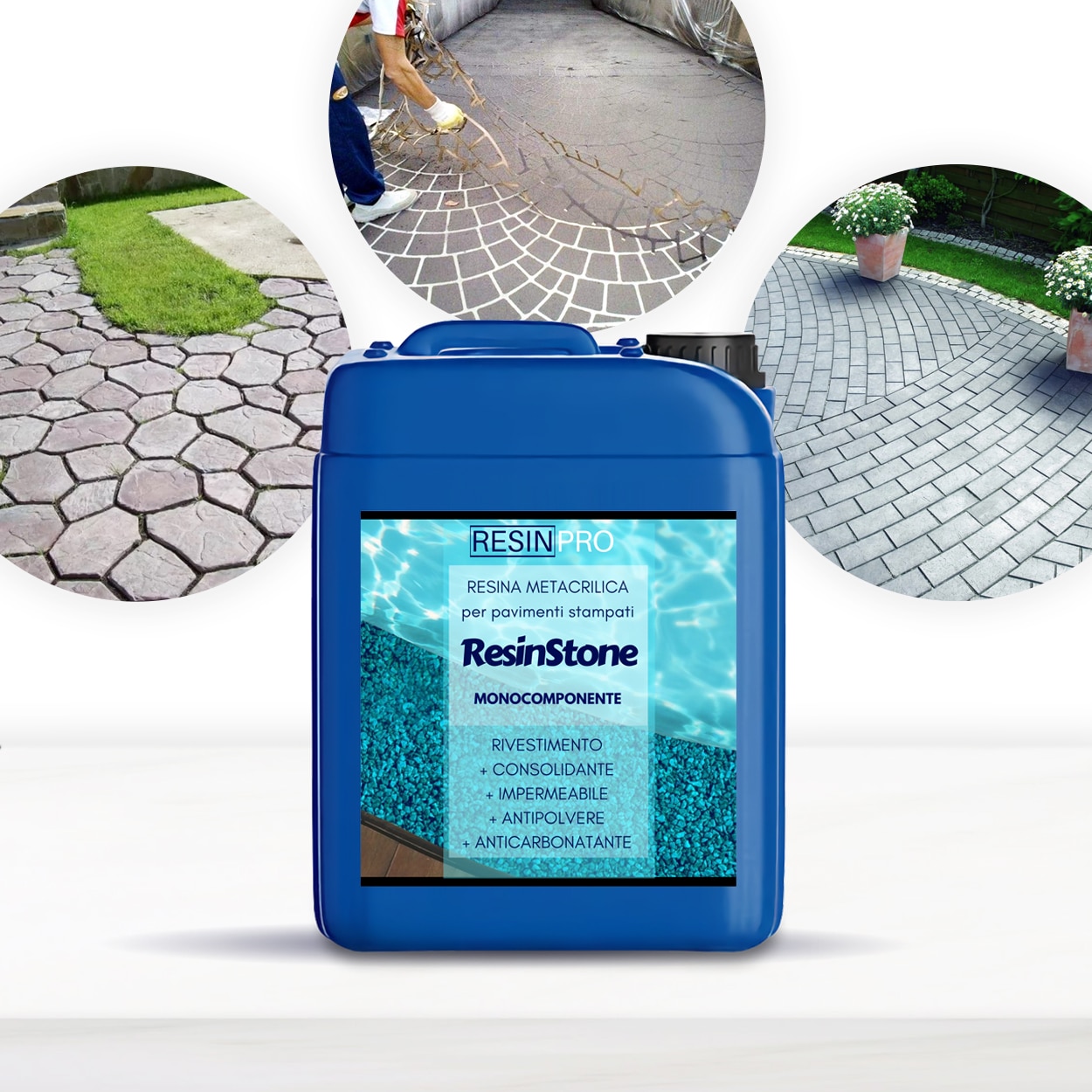
Resins fall into two broad categories: vapour-permeable (breathable) and non-permeable (sealing). Some resins are formulated to allow water vapour to pass through, while others act as a complete barrier. For example, products like “Resinstone” offer a waterproof finish while remaining breathable, making them a strategic choice when you want surface protection without sacrificing moisture balance. Always check the technical specifications or consult a specialist if ventilation is a concern for your project.
How to Select the Right Resin for Brickwork
- Review product data: Look specifically for “breathable” or “vapour-permeable” in the product description.
- Consider the environment: For interiors or older buildings, prioritise breathability to avoid issues with internal damp.
- Test on a small area: Before large-scale application, test the resin in a discreet spot to ensure compatibility and appearance.

When This Matters
Prioritising breathability is particularly important in heritage restorations, damp-prone areas, or where retaining the building’s natural moisture exchange is critical. Over-sealing bricks in these scenarios can cause more harm than good.
Related products
Related guides
Choosing the right resin for your bricks means finding a balance between protection and breathability. To explore more options and techniques for brick surfaces, visit our guide on using resin for bricks.