 Free shipping on orders over £29,85
  Shipping Tracking!


 Google
 Facebook
← Back to What is resin used for in welding?
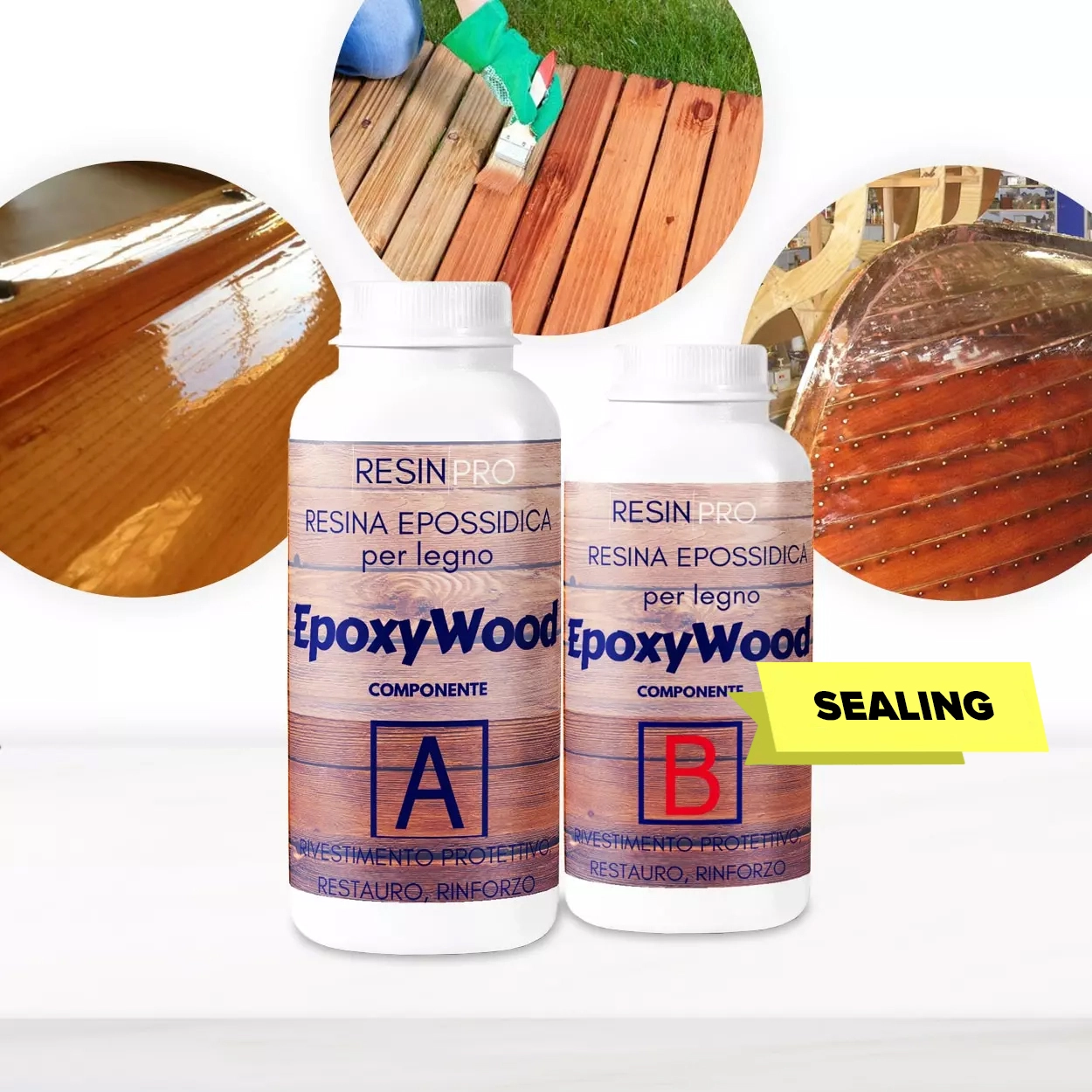
Epoxy resin has become a staple for enhancing woodwork and building multi-material structures, offering restoration, sealing, and finishing benefits. Whether working with solid timber or combining materials like metal, fibreglass, and composites, choosing the right resin is essential to ensure durability, weather resistance, and strength.
Restoring and Reinforcing Wooden Surfaces
Over time, wood exposed to weather or mechanical stress can deteriorate, develop cracks, or lose structural integrity. Using a resin such as EpoxyWood, you can restore and reinforce wooden furniture, beams, or even boat hulls. Its deep-penetration formula fills pores and small cracks, providing long-lasting waterproofing and enhanced strength. Before application, always ensure the wood is completely dry and sanded for optimal adhesion and results.
Protective Coatings for Mixed Material Projects
In welding and fabrication, it’s common to combine wood, metal, and technical fabrics. A clear protective resin, such as “Icrystal”, can be applied as a surface coat, providing a scratch-resistant, UV-stabilised finish that highlights the beauty of each component. For large castings or thicker pours, “EpoxyTable 5-Five” offers a stable, transparent layer suitable for items like tables or countertops that endure mechanical wear and moderate heat.
When Resin Matters Most
- Restoration: Repairing weathered or damaged wood for use in structural or artistic projects.
- Barrier Protection: Sealing materials before or after welding to prevent moisture ingress or corrosion.
- Combining Materials: Creating strong, lasting bonds between wood and metals or composites in modern architectural or furniture projects.
Related products
Related guides
Thoughtful resin selection and skilled application can make all the difference when working with wood and multi-material structures. To explore more about the role of resin in welding and fabrication, visit our main guide on resin uses in welding.