 Free shipping on orders over £29,85
  Shipping Tracking!


 Google
 Facebook
← Back to How can I apply resin to a wall?
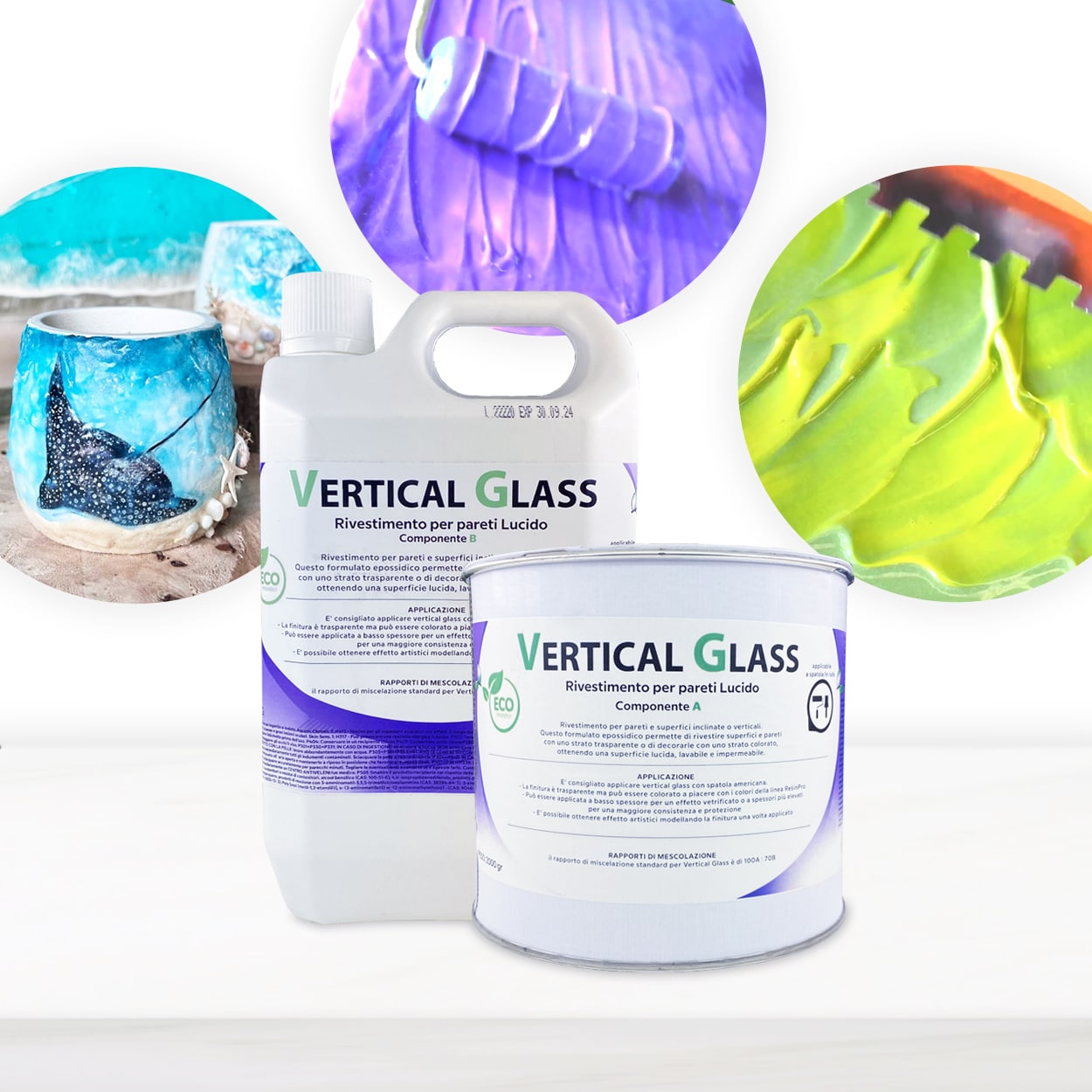
Applying resin to a wall can transform the space with a smooth, glossy finish. To achieve a seamless look, it’s essential to tackle the project in manageable sections, ensuring even application and minimal joins.
Why Sectional Application Matters
Resin can set relatively quickly, especially on vertical surfaces. Dividing the wall into smaller sections helps maintain a consistent, uniform finish and prevents any rushed blending at the edges that might lead to visible joins or streaks. Overlapping while the resin is still wet produces a smoother transition and reduces the risk of tone shifts or texture inconsistencies.
Tips for Smooth and Even Coverage
- Mark Your Sections: Lightly outline the areas you plan to cover, working horizontally or vertically depending on your preference and wall size.
- Use the Right Tools: Apply resin with a spatula for textured effects or opt for a short-pile roller like those found in our Resin & Paint Application Rollers to achieve a flawless, even coat.
- Maintain Wet Edges: Always blend freshly applied resin into the adjoining section while it’s still wet to prevent noticeable joins.
When This Matters Most
This approach proves especially important for decorative feature walls, high-humidity areas like bathrooms, or when using products such as Vertical Glass which are designed for vertical and sloping surfaces. Working in sections maximises control and helps achieve a professional, durable result.
Related products
Related guides
Carefully managing your wall resin application in sections helps you achieve a finish free of lines or shadows. For further tips and recommended products for vertical resin work, see our main advice on how to apply resin to a wall.