 Free shipping on orders over £29,85
  Shipping Tracking!


 Google
 Facebook
← Back to How to clean uncured epoxy spots from the surface
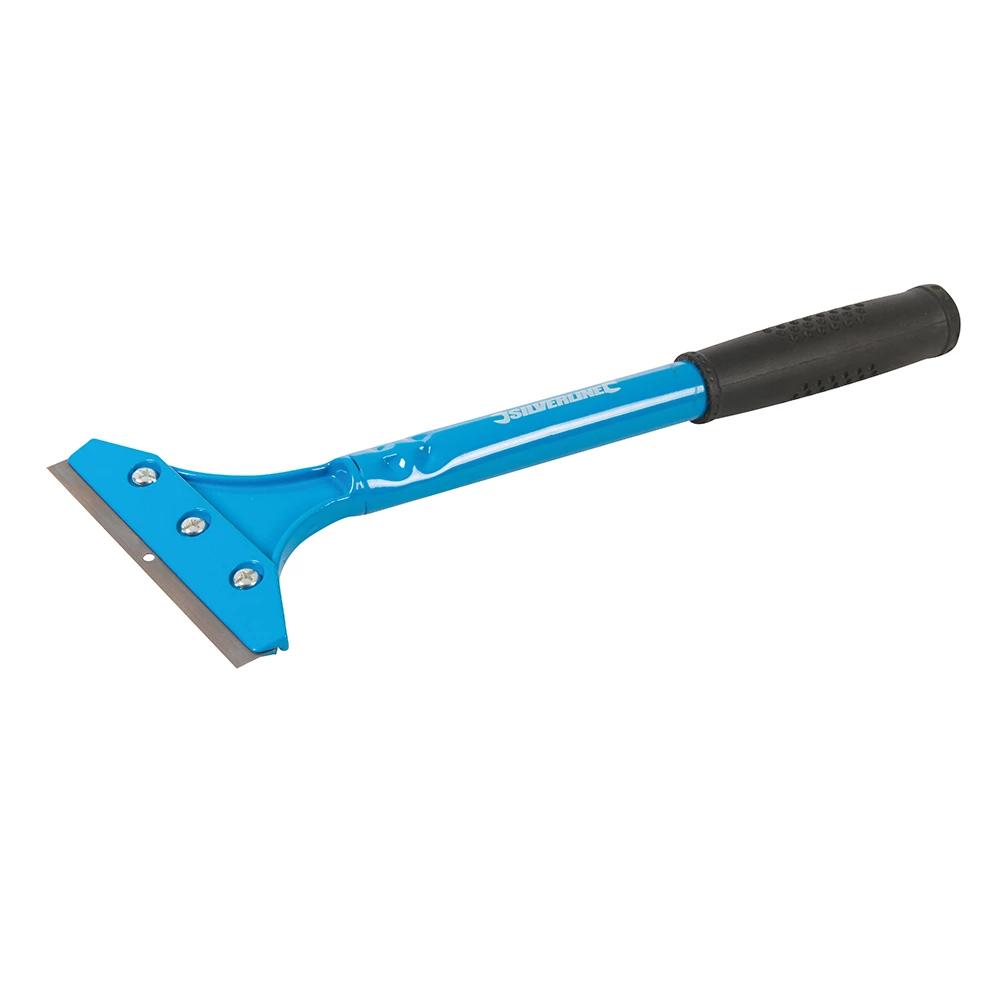
If you’re dealing with uncured resin spills or drips, using a scraper can help—but only on the right surfaces. This page explains where it’s safe to use a scraper and how to avoid damaging your materials during cleanup.
Where You Can Safely Scrape Uncured Resin
The Heavy Duty Scraper offers efficient removal of uncured resin from sturdy, non-porous surfaces. Generally, these materials can handle careful scraping without lasting damage:
- Metal worktops and hand tools
- Ceramic tiles and glass
- Hard stone or granite benches
Always hold the blade at a shallow angle and use controlled, gentle strokes for best results.
Risk of Scratching: What to Watch Out For
Using a scraper on delicate or coated surfaces—such as plastics, painted woods, laminates, or decorative finishes—can cause scratches, especially if too much pressure or a steep blade angle is used. Minimise risk by:
- Starting with minimal pressure
- Maintaining a shallow blade angle
- Testing first in a discreet spot
For items with sensitive finishes, opt for less abrasive methods or consider cleaning with a degreaser or isopropyl alcohol instead of scraping.
Choosing the Right Cleaning Approach for Each Surface
Not every surface is suited to scraping—even if the resin is uncured. On furniture, floors, or decorative objects, it’s safest to avoid a scraper entirely unless you’re sure it won’t leave marks. Instead, use a natural degreaser or a soft cloth with isopropyl alcohol for gentler resin removal.
Related products
Related guides
For more advice on resin spot removal—including when not to use a scraper—see our full cleaning guide and browse tools and cleaners to make every stage of your project easier.