 Free shipping on orders over £29,85
  Shipping Tracking!


 Google
 Facebook
← Back to How does permeable paving work?
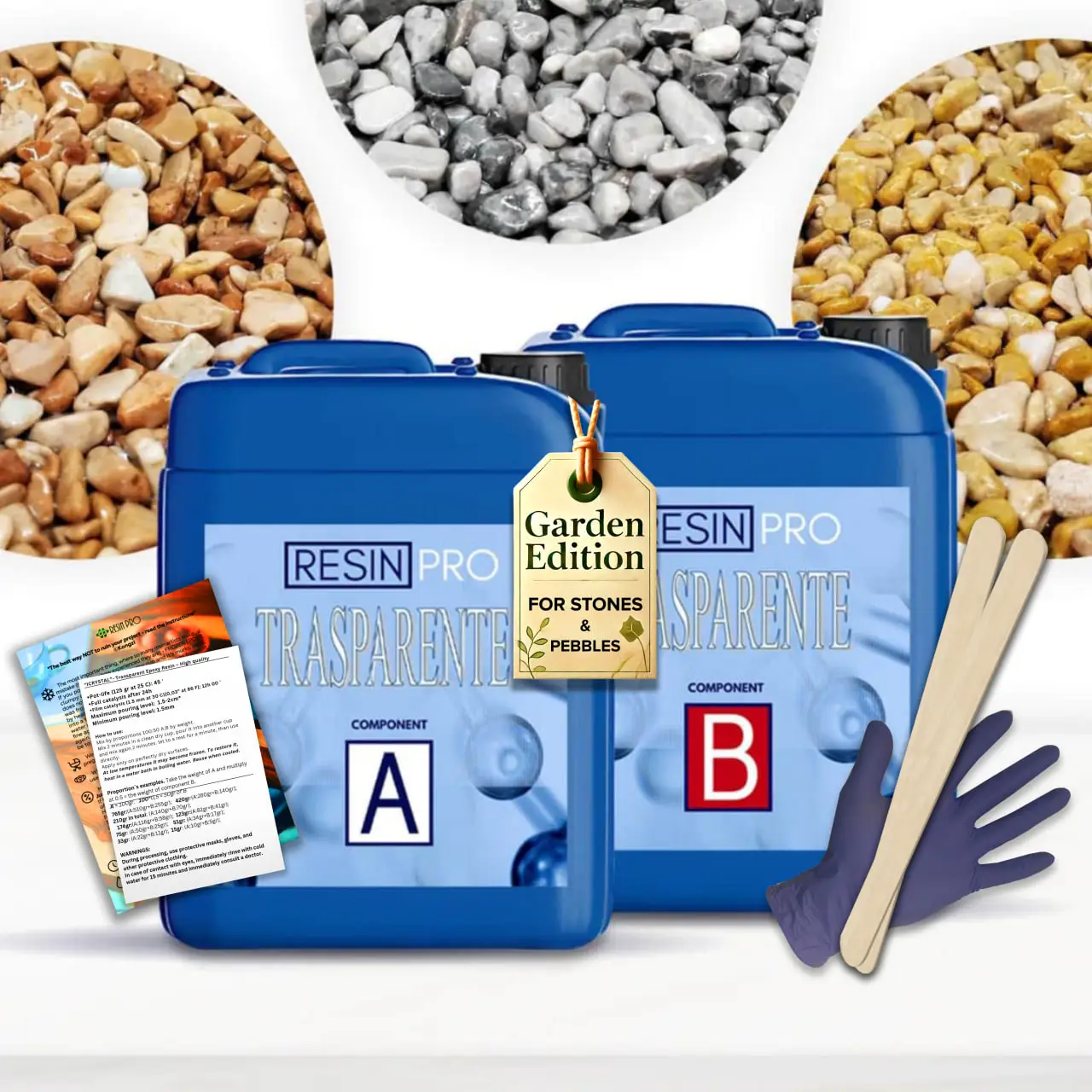
When installing a permeable resin-bound surface, it’s tempting to try shortcuts—but is it ever advisable to pour epoxy binder directly over existing loose gravel?
Why Mixing Epoxy with Stones Is Essential
For a secure and long-lasting permeable floor, the epoxy binder should always be thoroughly mixed with clean, dry stones before laying the mixture. This process ensures that each stone is coated and bonded, resulting in a strong, stable surface that can handle both pedestrian and light vehicle traffic. Pouring epoxy straight onto loose gravel leaves many stones uncoated, reducing strength and causing the surface to shift or break up over time.
- Better stone-to-binder coverage
- Even, controlled distribution
- Improved surface durability and resistance to weather
Step-by-Step for Best Results
To achieve an attractive, functional resin-bound surface, start by choosing well-washed aggregate—such as washed pebbles suitable for permeable floors. Mix the stones with the right quantity of epoxy binder (as directed on the product instructions), ensuring every pebble is thoroughly coated. Spread the mixture evenly over your prepared sub-base, then compact and smooth for a seamless finish. For application guidance, detailed instructions are included in solutions like the Flowstone permeable floor kit.
When Direct Pouring Causes Issues
If epoxy is poured directly over gravel, the lack of bonding means the stones can remain loose, leading to instability, poor resistance to wear and reduced water permeability. Surfaces installed this way are more likely to develop cracks or require early replacement, especially in areas exposed to rain, frost, or regular use.
Related products
Related guides
For the most reliable and effective results, take the time to mix your epoxy binder with clean aggregate before laying. This approach ensures your permeable surface performs as it should—combining strength, stability and effective drainage. Learn more about installation best practices and the science behind permeable paving on our main guide.