 Free shipping on orders over £29,85
  Shipping Tracking!


 Google
 Facebook
← Back to How do you repair permeable flooring?
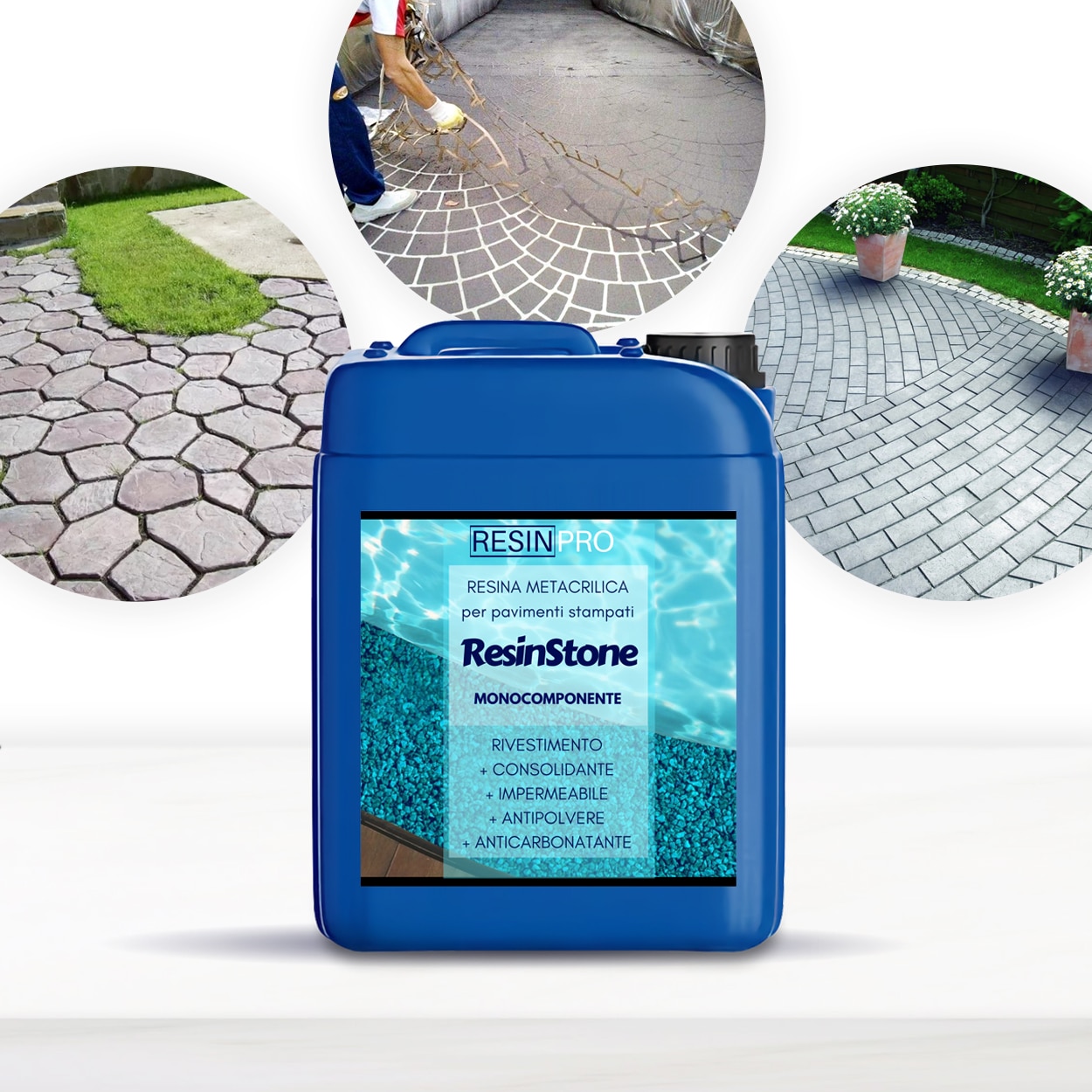
Sealing concrete is essential for enhancing durability and weather resistance, especially in permeable flooring systems. The correct sealant promotes both longevity and effective water management, whether for driveways, footpaths, or patios.
Why Seal Concrete in Permeable Floors?
Sealing concrete on outdoor surfaces helps protect against moisture ingress, chemical spills, and daily wear. For permeable flooring, it’s important to use a sealer that maintains breathability but prevents water from damaging the structure below. Specially formulated sealants, such as methacrylic resins, penetrate deep into the concrete’s pores, offering protection while allowing the surface to remain vapour-permeable and functional for drainage.
How to Seal Concrete: Practical Steps
- Surface preparation: Clean the concrete thoroughly and ensure it is fully dry and free from debris, oils, or previous coatings that could affect adhesion.
- Product selection: Use a dedicated concrete sealer like “Resinstone” – One-Component Methacrylic Resin for optimal breathability and resilience. Alternatively, a water-based epoxy primer may be used if strong adhesion and all-round durability are priorities.
- Application: Apply according to manufacturer recommendations, typically by roller or brush for even coverage. Allow time for full cure—usually 12 to 48 hours—before exposing to foot or vehicle traffic.
When Sealing Matters Most
Sealing is especially important where the concrete base forms part of a permeable or resin-bound flooring system. Proper sealing prevents premature wear, helps retain structural integrity, and supports the correct function of layers above, such as decorative stone or resin-bound finishes.
Related products
Related guides
Choosing the right approach for sealing concrete underpins the long-term success of your permeable flooring. For more details on maintaining and repairing resin-bound or permeable outdoor floors, see our main repair and maintenance guide.