 Free shipping on orders over £29,85
  Shipping Tracking!


 Google
 Facebook
How Slip Resistant Is Permeable Paving?
Explore slip resistance, drainage, and best products for safer outdoor paving

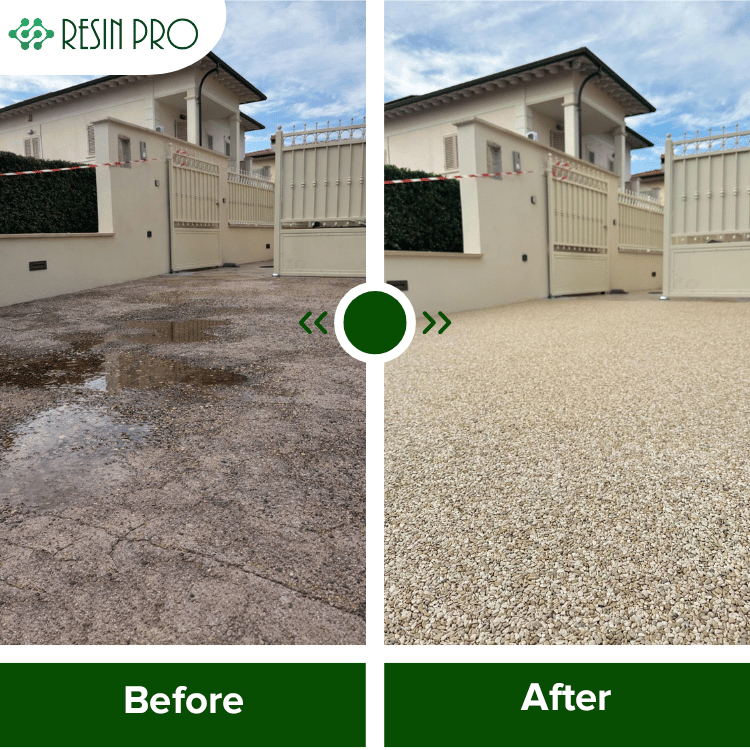
Modern permeable paving systems are increasingly popular for driveways, paths, patios, and a range of outdoor spaces throughout the UK. A key concern for homeowners and professionals is safety: specifically, how slip resistant is permeable paving compared to traditional surfaces? This guide explains the factors that influence slip resistance, how water permeability plays a part, and which ResinPro solutions offer the best balance of drainage and anti-slip properties.
Permeable Paving and Slip Resistance – What Makes a Safe Surface?
Permeable paving is designed to promote water drainage, reducing surface puddling and the growth of moss or algae that can create slippery conditions. Well-formulated resin-bound systems, like the “Flowstone” – Complete Permeable Floor Kit with Pebbles and Resin, combine a robust resin binder with washed stone aggregates to form a decorative surface that remains permeable after installation.
The micro-texture created by natural pebbles and granules is a key asset for slip resistance. When bound effectively, these materials provide natural grip underfoot while still allowing water to pass through rapidly. By preventing standing water and maintaining traction, expertly installed permeable paving can represent a significant upgrade in year-round surface safety — especially in the UK’s wet climate.
Product Comparison: Options for Permeable and Slip-Resistant Paving
Different resin systems and aggregates offer varying degrees of slip resistance, depending on their intended use and the quality of application. Here’s how ResinPro’s leading solutions address both permeability and anti-slip performance:
-
“Flowstone” – Complete Permeable Floor Kit with Pebbles and Resin – A complete kit tailored for Permeable solutions in driveways, footpaths, and patios. With the option to use non-yellowing polyurethane for white stones and low-yellowing epoxy for coloured aggregates, this system provides a customisable finish and reliable slip resistance for outdoor spaces.
Best for surface installations requiring both drainage and decorative versatility. -
Washed Pebbles for Permeable Floors 25kg – Outdoor Resin-Bound Surfaces – Naturally Eco-Friendly pebbles that offer Excellent Drainage. When combined with an appropriate resin, these washed and ready-to-use aggregates create a safe, visually appealing, and slip-resistant surface ideal for patios and garden paths.
Ideal for enhancing both drainage and slip resistance while supporting sustainable landscaping. -
“Resinstone” – One-Component Methacrylic Resin for Concrete Floors and Driveways – Designed as a one-component methacrylic resin, Resinstone is perfect for sealing and protecting concrete surfaces. Its superior mechanical resistance and penetration help maintain the integrity of porous paving, offering Waterproof protection and contributing to surface durability.
Best for enhancing the performance of existing permeable or porous concrete floors.
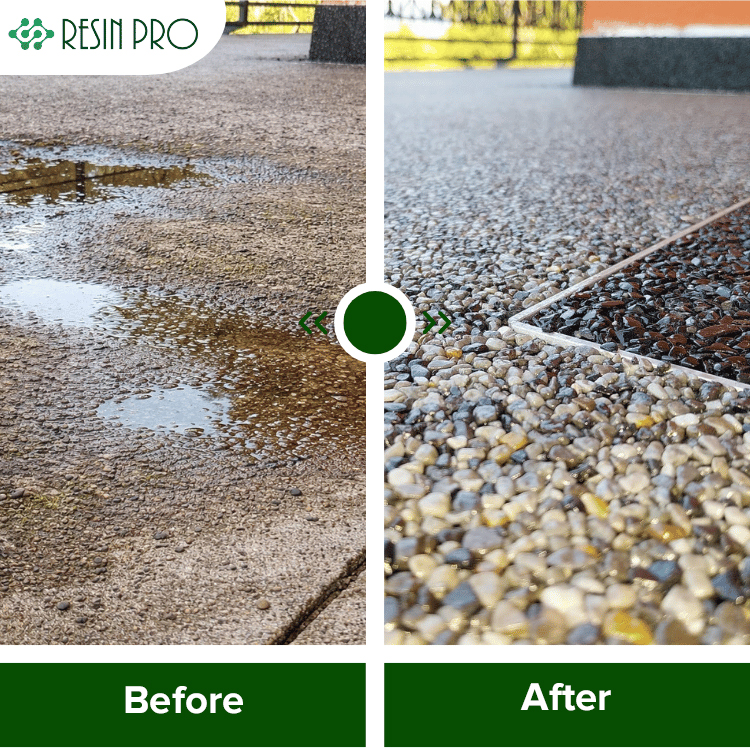
How Permeable Flooring Systems Combat Slipperiness
Permeable solution installations such as Flowstone ensure rapid water dispersion even during heavy rain. By keeping the walking surface drier and free from puddles, these floors dramatically reduce the typical causes of slippery conditions outdoors. The resin-bound structure securely fixes aggregate in place, sustaining a durable, non-slip surface in all weathers.
What Influences Slip Resistance in Permeable Paving?
Slip resistance is impacted by a combination of aggregate type, shape, and binder. Natural stones such as those found in the Washed Pebbles for Permeable Floors 25kg – Outdoor Resin-Bound Surfaces offer a naturally rough surface, which, when bonded with high-quality resins, maintains micro-texture even during rainfall.
Resin selection also matters. The Flowstone system includes step-by-step resin guidance, recommending non-yellowing polyurethane for lighter stones and low-yellowing epoxy for a range of colours. This ensures the aesthetic remains intact and the surface’s grip is not compromised by binder yellowing or degradation.
For absorbing and sealing porous concrete, “Resinstone” – One-Component Methacrylic Resin for Concrete Floors and Driveways helps prevent moisture penetration while maintaining breathability, improving durability and aiding surface safety.
Benefits of Permeable, Slip-Resistant Surfaces
Cost-effective renewal and simple application are primary advantages of systems like Flowstone. With a customisable finish and a broad range of granule sizes and colours, it is possible to achieve both visual appeal and practical anti-slip results. Additionally, the reduction in standing water means fewer icy patches in winter, reducing accident risks even further.
Using pre-washed pebbles with a compatible resin creates a robust, hassle-free paving that stands up to weather and daily use while supporting better environmental water management through excellent permeability.
Eco-Friendly Slip Resistance With Washed Pebbles
Eco-Friendly and natural, washed pebbles used for permeable paving are both visually appealing and practical for safety. These aggregates allow water to pass through, which limits hazardous water buildup on the surface. Utilising materials such as Washed Pebbles for Permeable Floors enhances both sustainability and slip resistance for patios and paths.
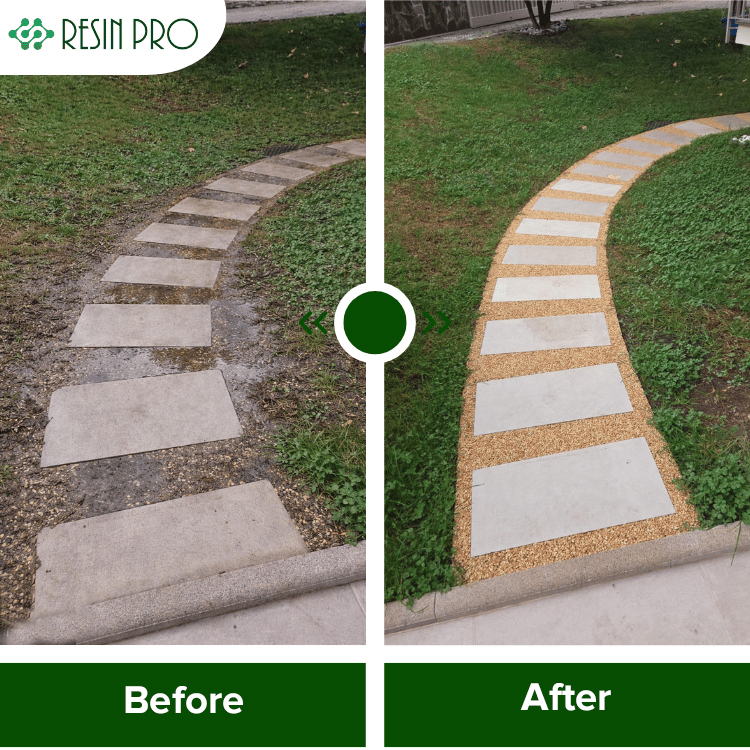
Choosing The Right Resin-Based System For Your Needs
For new outdoor installations requiring optimal drainage and a slip-resistant finish, explore the benefits of Flowstone and the full range of Pebble Floors kits. These solutions provide easy-to-follow instructions, ensuring that even DIY users can achieve professional, safe results.
If you need to upgrade an existing concrete surface, Resinstone offers excellent protection, fast drying, and Durable protection against weather, oils, and chemicals, while still maintaining traction and resisting slip hazards with use.
- "Flowstone" – Complete Permeable Floor Kit with Pebbles and ResinPrice range: £42.85 through £3,389.85Flowstone kit offers a durable, permeable pebble and resin system designed for outdoor paving with simple application and colour guidance.
 Washed Pebbles for Permeable Floors 25kg – Outdoor Resin-Bound Surfaces£26.85Washed Pebbles for Permeable Floors are pre-washed aggregates suitable for permeable outdoor surfaces in line with the theme of slip resistance.
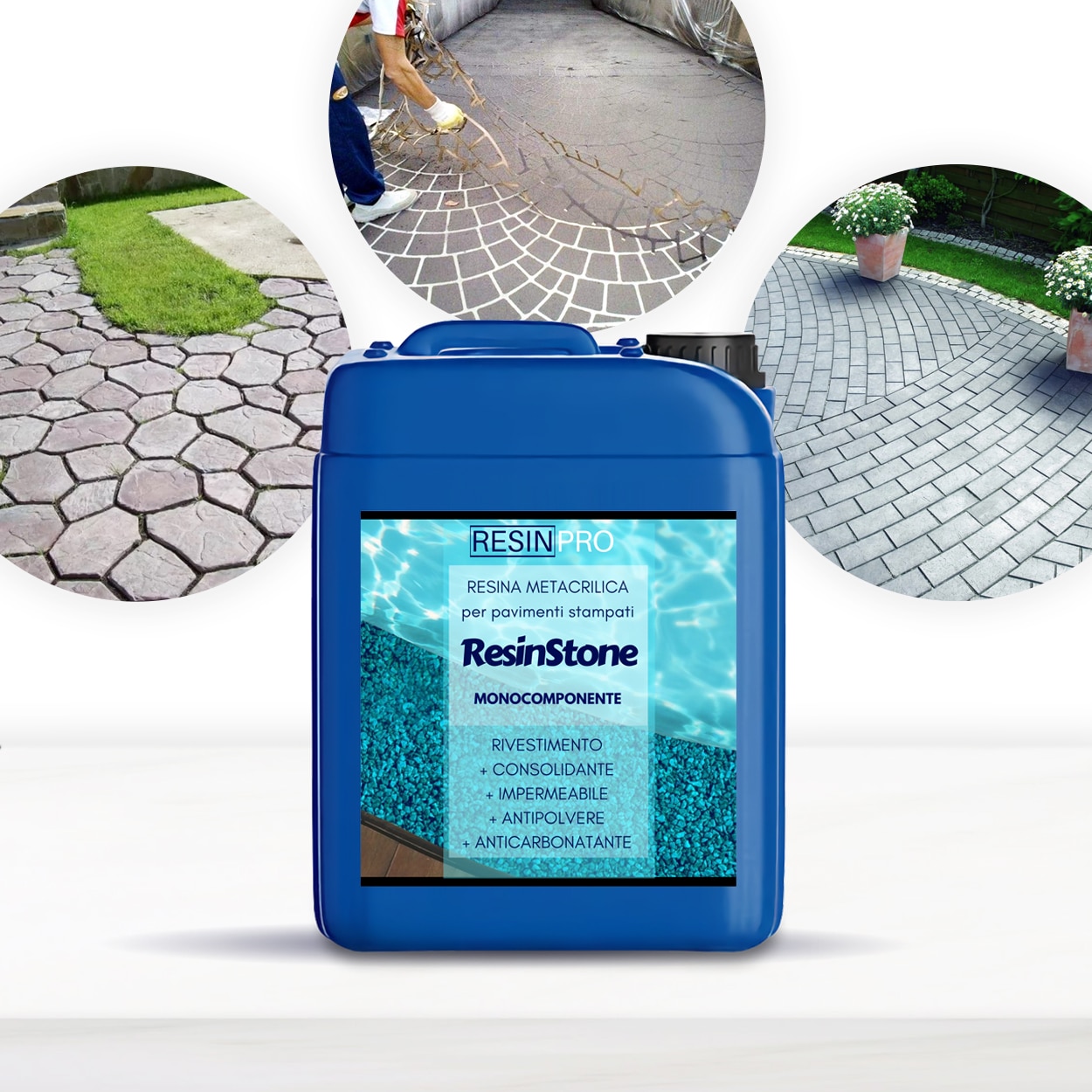 "Resinstone" – One-Component Methacrylic Resin for Concrete Floors and DrivewaysPrice range: £29.85 through £59.85"Resinstone" is formulated for sealing and protecting concrete floors, offering durable mechanical resistance in line with the theme.
Frequently Asked Questions
How slip resistant is permeable paving using these pebbles?
Permeable paving with these pebbles promotes water drainage, which can help reduce surface water and potentially improve slip resistance.
What are the advantages of a permeable floor?
Advantages include attractive appearance, low application costs, excellent drainage, resistance to weather and frost, anti-slip surface, low maintenance, DIY installation possibility, and greater durability in rainy areas.
Can I install a permeable floor myself?
Yes, application is simple and quick without specific skills. For large areas, use of a cement mixer is advised to ease mixing.
Are permeable floors suitable for high-traffic areas?
Yes, suitable for pedestrian areas, driveways and car parks, with appropriate materials and installation.
Can Resinstone be used as a gravel binder for an existing gravel surface?
RESINSTONE is intended for absorbent surfaces like concrete and is not recommended as a gravel binder on loose gravel. A dedicated stone binder should be used for stabilising gravel surfaces.
What types of resin do you offer for flooring?
We offer resins for industrial cement-based floors, coloured self-levelling floors, garage floors, permeable pebble flooring and tile coatings.
Are specific weather conditions required for resin application?
Yes, resin application requires specific climatic conditions to ensure proper adhesion and curing. Avoid very low or very high temperatures and high humidity.