 Free shipping on orders over £29,85
  Shipping Tracking!


 Google
 Facebook
← Back to How do you build permeable garden flooring?
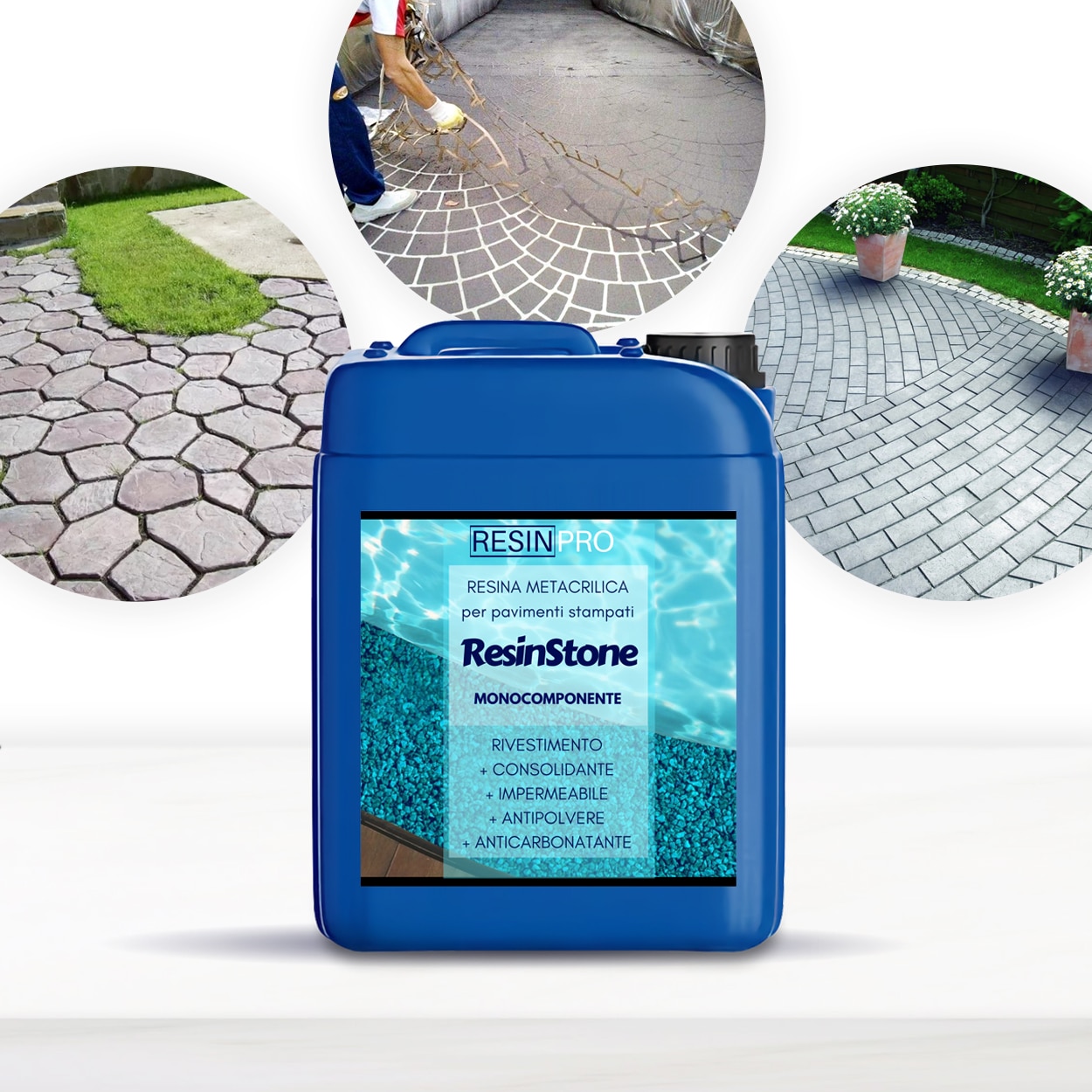
Choosing the right finish can extend the life and appearance of your concrete garden floor. But is a resin sealer really necessary, and how can it benefit your outdoor space?
Why Use a Resin Sealer on Concrete?
Applying a resin sealer to concrete garden floors adds a tough, water-resistant layer that helps shield the surface from weathering, stains, and daily wear. Not only does it guard against moisture ingress, but a quality resin such as Resinstone methacrylic resin actually allows the floor to breathe, reducing the risk of trapped damp and contributing to a more durable finish in outdoor conditions.
How to Choose and Apply Resin Sealer
When opting for a resin sealer, look for products specifically formulated for outdoor or concrete use. A one-component methacrylic resin such as Resinstone is ideal for both new and existing concrete floors, offering good penetration and fast drying times. Apply to a clean, dry surface using a roller or brush for even coverage. Most surfaces are ready for use within 12 hours, making it a practical option for busy gardens.
When A Resin Sealer Matters Most
- High-traffic areas: Entrances, patios, and pathways where frequent use can result in faster surface wear.
- Stamped or decorative concrete: A resin sealer enhances colour and pattern longevity.
- Changing weather: In climates with frequent rain or strong sun, a sealer helps protect against the elements.
Related products
Related guides
Sealing your concrete garden floor with a dedicated resin is a smart way to maintain its strength and appearance over time. For more tips on building effective, durable and permeable garden flooring, explore our main guide on creating the ideal garden surface.