 Free shipping on orders over £29,85
  Shipping Tracking!


 Google
 Facebook
← Back to What is the price of driveway resin paving?
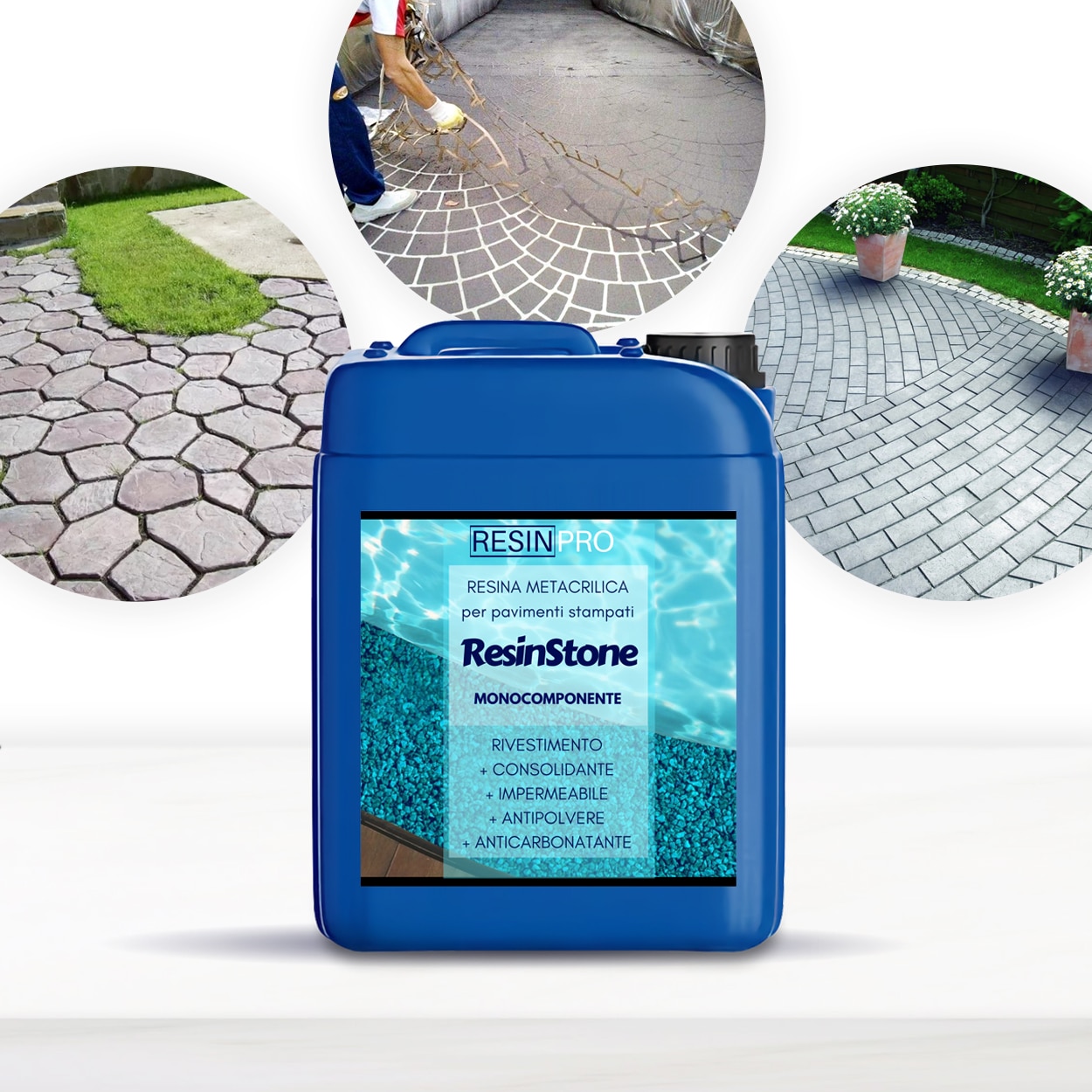
If you’re looking to improve a loose gravel area, you might be wondering if Resinstone is the right solution. Let’s clarify its uses and explain the best approach for stabilising loose stones.
How Resinstone Works
Resinstone is specially formulated to seal, protect and enhance concrete surfaces. It penetrates deeply into absorbent substrates like stamped or plain concrete, creating a robust, waterproof barrier. However, it does not act as a binder for loose aggregates or gravel; it requires a stable, solid base to function properly.
- Suitable for: Concrete driveways, patios, and garage floors
- Not suitable for: Loose gravel pathways or unbound stones
The Right Way to Bind Loose Gravel
If your goal is to stabilise a gravel area, you’ll want a dedicated resin binder that’s designed to encapsulate and bond with loose stones. For example, the “Trasparente” – Epoxy Binder for Coloured Pebbles and Grits allows you to thoroughly mix resin with aggregates before laying, creating a stable, decorative finish suitable for driveways and paths. Similarly, complete kits such as Flowstone offer all-in-one solutions for permeable, robust outdoor surfaces.
When This Matters
Choosing the right product for your base is crucial. Applying Resinstone to loose gravel won’t provide the stability or finish you’re after. For loose stones, always select a product designed for aggregate binding to ensure safety and durability.
Related products
Related guides
For the best results with any driveway upgrade, use products tailored to your surface type. Explore our full range to find the right resin paving solution and learn more about pricing and applications at our driveway resin paving hub.