 Free shipping on orders over £29,85
  Shipping Tracking!


 Google
 Facebook
What materials are needed for permeable flooring?
Create long-lasting, draining surfaces with the right UK materials

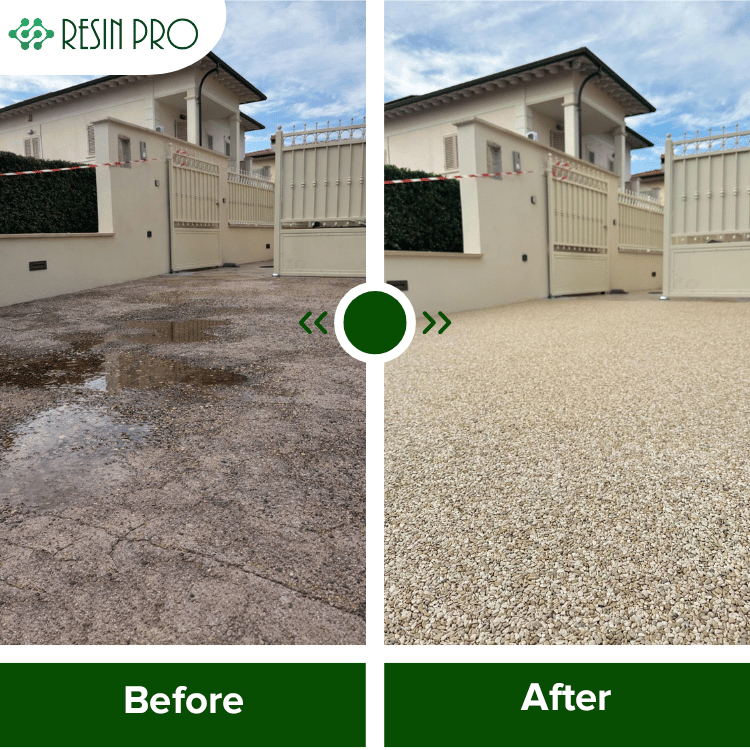
Permeable flooring offers an effective solution to modern outdoor spaces: it supports water drainage, reduces flooding risks, and creates durable, beautiful finishes for driveways, footpaths, patios and public spaces. Resin-bound and resin-bonded systems are increasingly popular across the UK, but understanding what materials you need for a successful installation is key. Here we explore the complete list of essential products and their benefits for optimal, lasting, and eco-friendly results.
The Core Materials Required for Permeable Floors
To create efficient, attractive and resilient permeable outdoor surfaces, you need three main elements: specialist pebbles or aggregates, high-quality resin binders, and a suitable sealant. The combination you choose will define your floor’s drainage, appearance and longevity. Let’s look in depth at the must-haves for the job:
- “Flowstone” – Complete Permeable Floor Kit with Pebbles and Resin: An all-in-one, expert-designed kit that includes washed and dried pebbles alongside resin binders tailored for various coloured and white aggregates. Flowstone provides an all-inclusive solution for new or renewed driveways, patios, and paths tailored to the UK climate. Expect Permeable solution, Cost-effective renewal and Customisable finish, plus Simple application suited to both DIY and professional use.
- Washed Pebbles for Permeable Floors 25kg – Outdoor Resin-Bound Surfaces: These pre-washed aggregates are designed for direct use with resin binders. Their uniform size and cleanliness deliver Eco-Friendly building, Excellent Drainage, Hassle-Free Application and Customisable mixes. Combine with marble or granite granules to create unique looks.
- “Trasparente” – Epoxy Binder for Coloured Pebbles and Grits: For vibrant or darker coloured aggregates (such as natural-tone, grey, yellow or red pebbles), this two-component resin ensures a Crystal-clear epoxy resin finish, UV-resistant and non-yellowing protection, and Low viscosity for easy mixing. Suitable for both private and public paths or heavy-traffic driveways.
- “Resinstone” – One-Component Methacrylic Resin for Concrete Floors and Driveways: An advanced resin suited for sealing and protecting concrete substrates beneath permeable systems. Resinstone offers Waterproof yet breathable sealing with Durable protection, Quick drying and genuine Versatile use around homes, car parks and garden spaces.
How Do These Materials Work Together?
A successful permeable floor depends on the synergy of aggregates and resins. The “Flowstone” – Complete Permeable Floor Kit with Pebbles and Resin is the simplest route: every essential component, from pebbles to resin, is pre-selected for ideal drainage and aesthetics in the UK climate. For tailored projects, start with Washed Pebbles for Permeable Floors 25kg – Outdoor Resin-Bound Surfaces — combine with “Trasparente” – Epoxy Binder for Coloured Pebbles and Grits to secure a non-slip, decorative, and robust finish. If your base is concrete, sealing it with “Resinstone” – One-Component Methacrylic Resin for Concrete Floors and Driveways gives lasting mechanical resistance and guards against UK weather.
Correct combination preserves the surface’s permeability, drainage and colour integrity year after year.
How a Permeable Floor Performs in the UK Climate
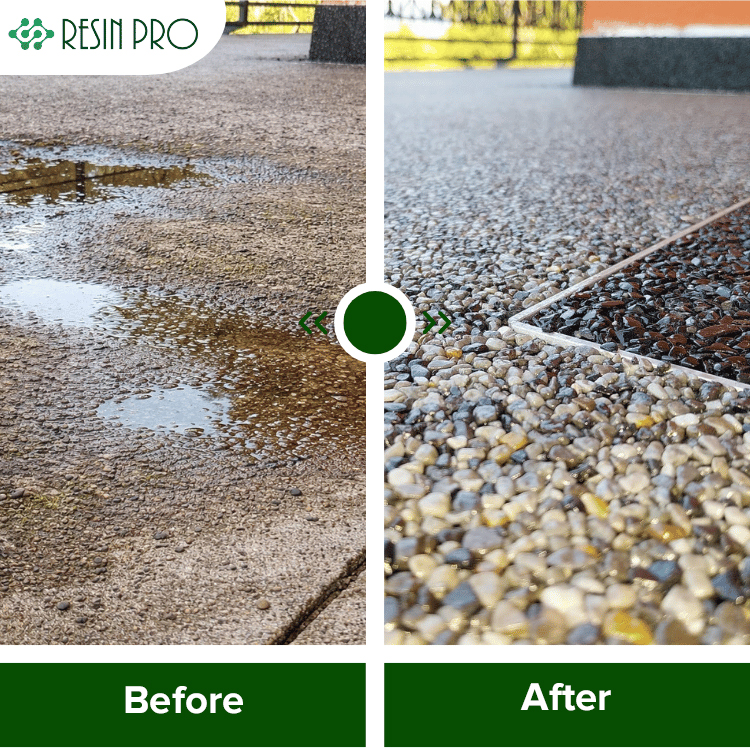
Permeable flooring systems such as Flowstone are designed specifically for rain-prone regions. The combination of washed pebbles and resin binder not only ensures excellent water drainage to the subsoil, but also prevents puddling and surface runoff after heavy rainfall. Flowstone is engineered for the British climate, offering reliable performance all year round for public and private spaces.
Comparison of Permeable Flooring Materials
Choosing the right material for your permeable project depends on site, intended use and aesthetic preference. Here is a summary comparing our essential options:
| Material | Best For | Key Benefits |
|---|---|---|
| Flowstone Kit | All-in-one outdoor surfaces, DIY or professional | Inclusive of resin guidance, colours, and clear application instructions |
| Washed Pebbles | Customised decorative finishes | Natural, eco-friendly options, ready to mix with chosen resin |
| Trasparente Epoxy Binder | Coloured pebble floors and resin-bound paths | Crystal-clear UV stable finish for lasting results |
| Resinstone Methacrylic Resin | Sealing and protecting concrete sub-bases | Waterproof, fast curing, weather resistant |
For a full range of suitable aggregates and binders, visit our Pebble Floors and Multipurpose Epoxy Resins collections for more inspiration.
Customise Your Permeable Floor for Design and Function
Customising permeable floors allows you to achieve your ideal look and feel. With “Trasparente” Epoxy Binder and Washed Pebbles, you can combine natural tones, granule sizes, and binder types for vibrant, durable finishes. Whether you prefer subtle paths or vibrant decorative driveways, the right selection ensures year-long performance and beauty.
Installation Tips and FAQs
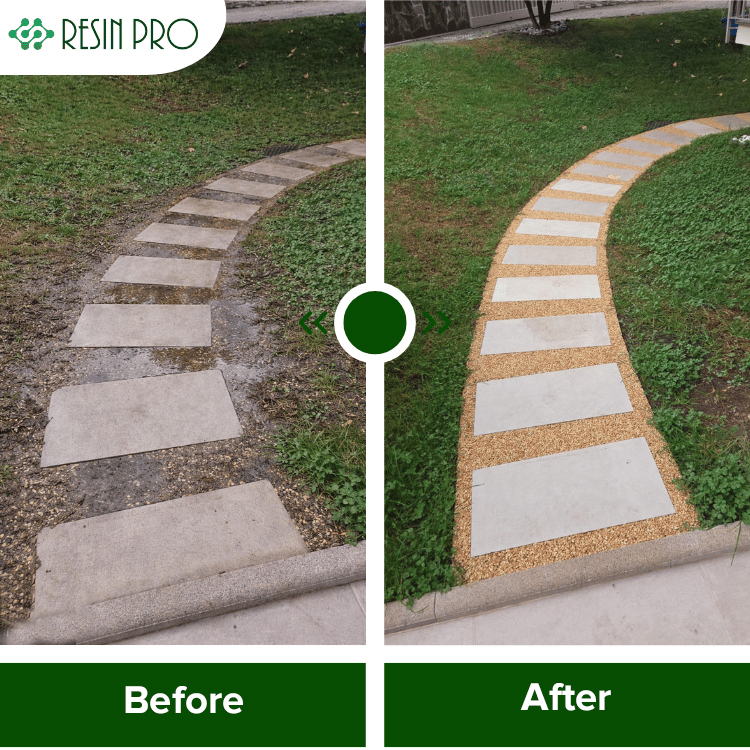
Proper installation of permeable flooring begins with surface preparation — whether on compacted soil, sub-base or freshly cured concrete. If tackling large outdoor areas, using a cement mixer can save time and help achieve an even mix of aggregate and resin. Always follow application and curing time guidance for best performance and durability.
For the simplest solution, the Flowstone Kit contains all you need, complete with step-by-step guidance and customisable options for colour and granule size. If you have a concrete sub-base, using Resinstone beneath a permeable resin floor adds longevity and protection. All ingredients — washed pebbles, quality resins and protective sealers — work together to form durable and attractive draining surfaces, ready for both foot and light vehicle traffic.
- "Flowstone" – Complete Permeable Floor Kit with Pebbles and ResinPrice range: £42.85 through £3,389.85"Flowstone" provides a durable, permeable pebble and resin flooring system suitable for UK outdoor spaces, with simple application guidance.
 Washed Pebbles for Permeable Floors 25kg – Outdoor Resin-Bound Surfaces£26.85Washed Pebbles for Permeable Floors offer a pre-washed stone aggregate for permeable outdoor surfaces suitable for use with resin binders.
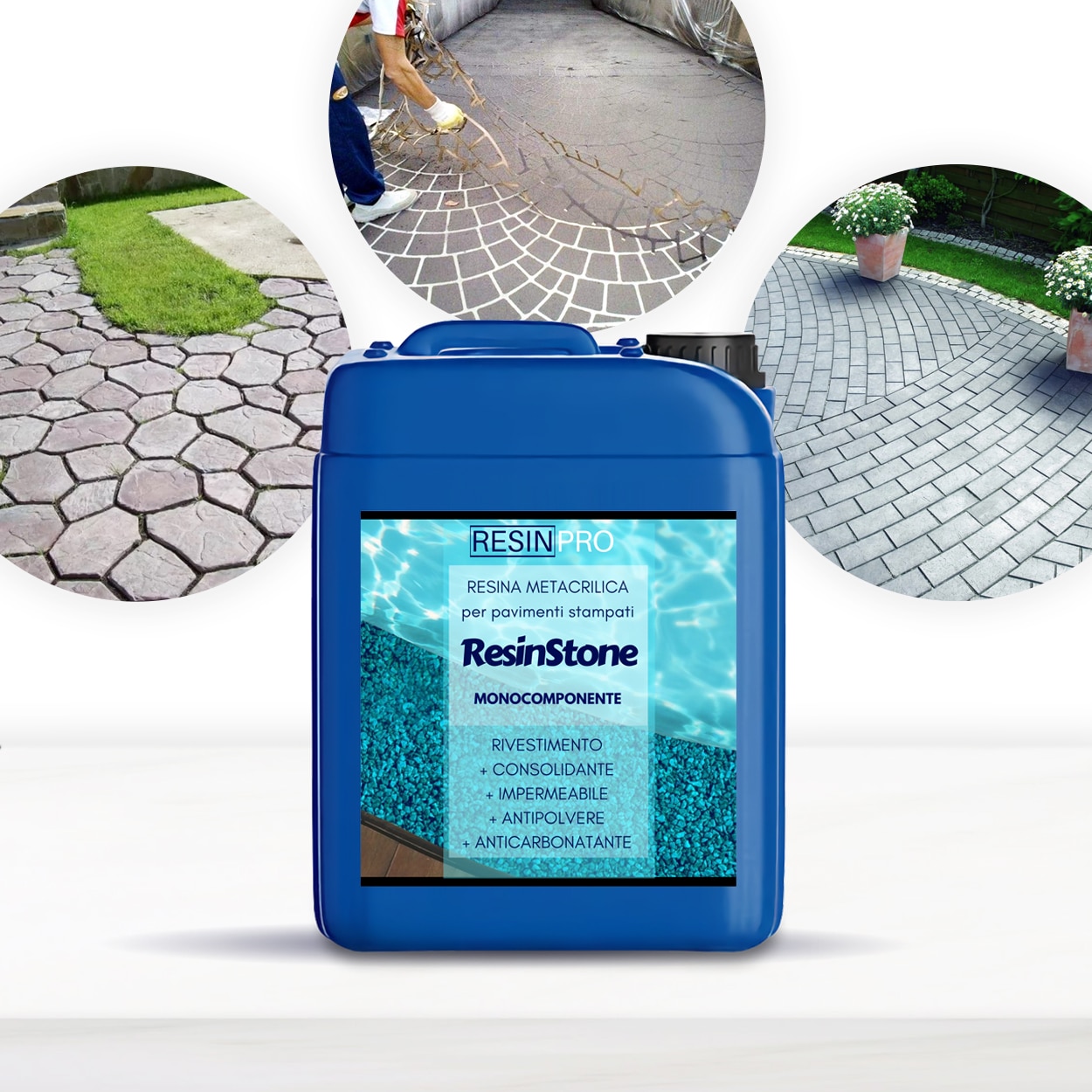 "Resinstone" – One-Component Methacrylic Resin for Concrete Floors and DrivewaysPrice range: £29.85 through £59.85Resinstone is a one-component methacrylic resin designed for sealing and protecting concrete floors and driveways within permeable flooring materials.
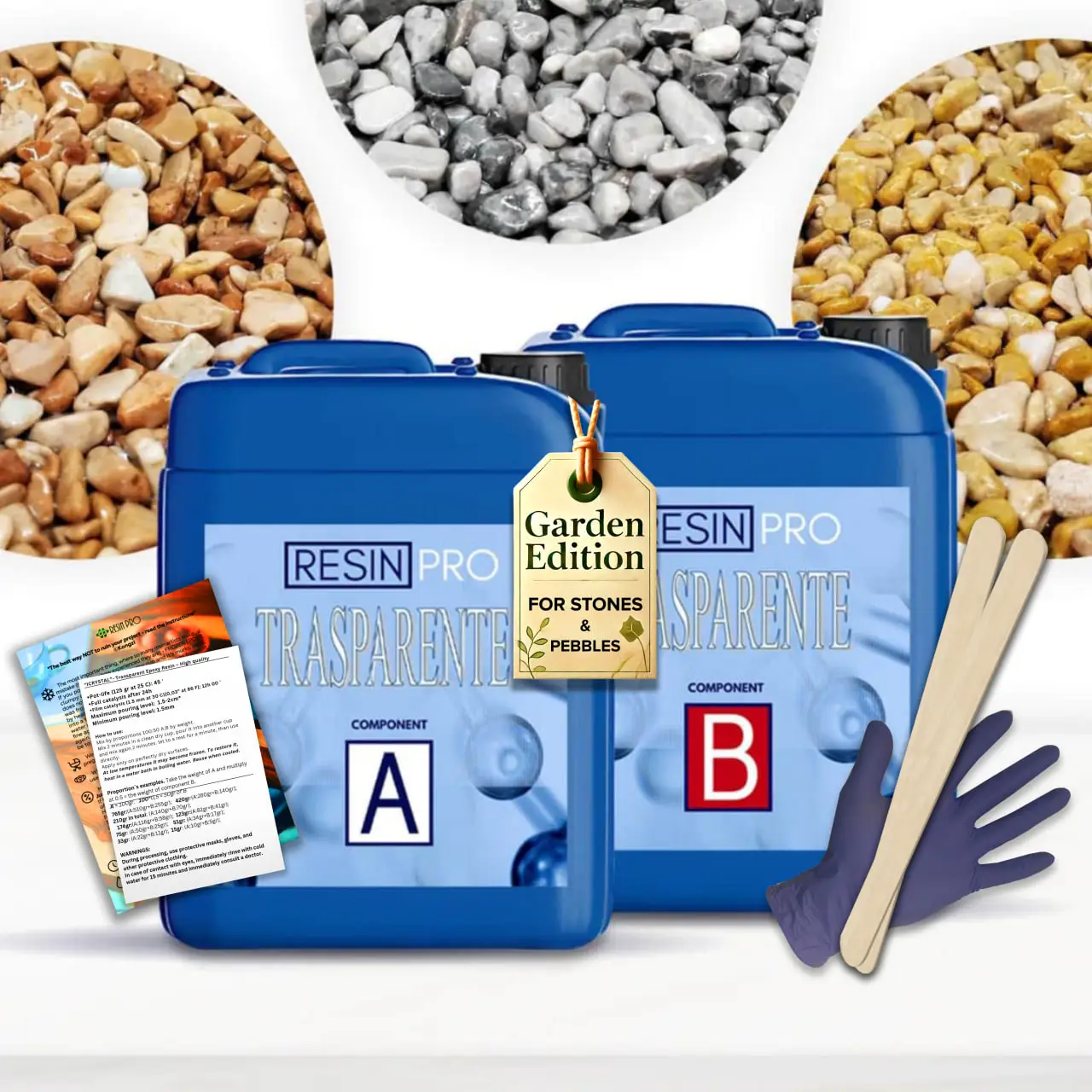 "Trasparente" – Epoxy Binder for Coloured Pebbles and GritsPrice range: £31.85 through £948.85"Trasparente" is a transparent epoxy binder suitable for coloured pebbles and grits, designed to create clear and UV-stable surfaces.
Frequently Asked Questions
What are the advantages of a permeable floor?
Advantages include an attractive and customisable appearance, very low application costs, excellent water drainage, resistance to weather conditions and frost, an anti-slip surface, low maintenance, possible DIY installation, and greater durability compared to traditional outdoor floors in areas of frequent rainfall.
Can I install a permeable floor myself?
Yes, application is simple and quick and does not require specific skills. For larger surfaces, using a cement mixer can facilitate mixing granules and resin. Many DIYers achieve excellent results by following the instructions supplied with kits like Flowstone.
Which binder should I use for white and coloured stones?
For white aggregates such as Carrara gravel, a non-yellowing polyurethane resin is recommended. For coloured or warm-toned stones, a low-yellowing epoxy binder such as Trasparente is ideal for preserving colour integrity.
How quickly can I use the new flooring after installation?
Surfaces are generally walkable after around 10–12 hours, with full mechanical resistance for vehicle traffic reached after 36–48 hours depending on ambient temperature and chosen resin system.
What makes Washed Pebbles suitable for permeable floors?
They are pre-washed and dried for direct mix with resin binders, guaranteeing optimal water drainage, uniform colour, and easy customisation with other aggregates like marble or granite.
Can Resinstone be used on loose gravel surfaces?
No, Resinstone is intended for absorbent surfaces like concrete. For binding loose gravel, use a dedicated stone binder as provided in the Flowstone kit.
What climatic conditions are needed for resin application?
Resin should be applied in moderate temperatures, avoiding very low or very high temperatures and high humidity for best adhesion and curing.