 Free shipping on orders over £29,85
  Shipping Tracking!


 Google
 Facebook
Which product should I choose for permeable driveways?
Compare resin, stone, and binders for sustainable surfaces

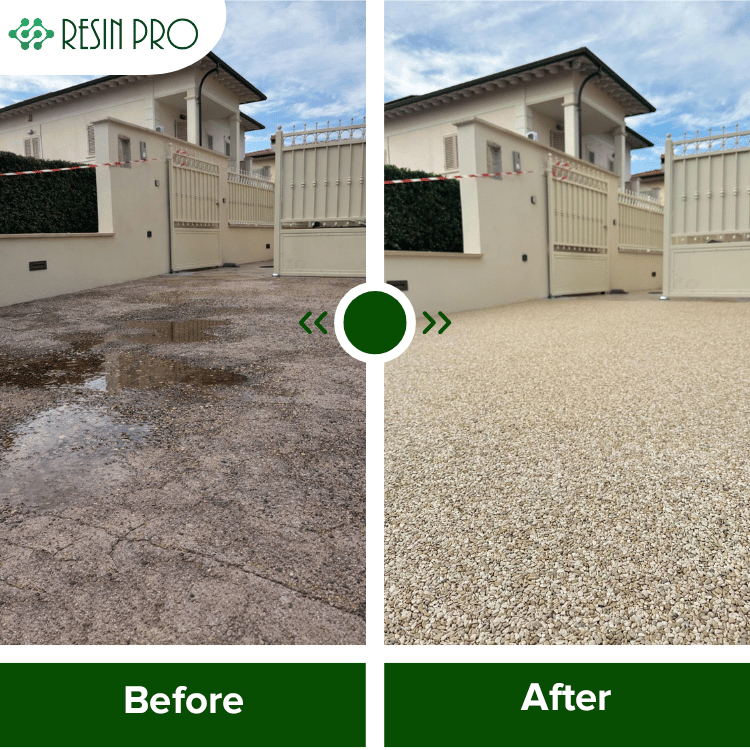
Modern landscaping increasingly demands sustainable, flood-resistant driveway solutions. Permeable driveways not only limit puddling and surface runoff, but also enhance the appearance and value of your property. With so many choices, selecting the right combination of resin, aggregates, or protective coatings can be daunting. This guide explains what to consider and introduces the best products to help you achieve a hard-wearing, beautiful, and functional permeable driveway in the UK climate.
Why Permeable Driveways Matter
Traditional driveways can lead to unwanted water pooling, increased flood risk, and minimal urban drainage. By contrast, permeable solutions—typically a blend of specialist resin and aggregate or a protected concrete surface—allow water to pass through, dramatically reducing surface water issues. This makes them ideal for driveways, garden paths, and patios in British weather conditions.
At-a-Glance Comparison: Pebble & Resin Kits, Natural Pebbles, Protective Resins
Below, review a high-level overview to help determine which system best suits your requirements for drainage, durability, aesthetics, and ease of installation.
- “Flowstone” – Complete Permeable Floor Kit with Pebbles and Resin: All-in-one kit for long-lasting, joint-free, anti-slip surfaces. Allows for colour and granule customisation. Includes detailed resin usage advice.
- Washed Pebbles for Permeable Floors 25kg – Outdoor Resin-Bound Surfaces: Natural, pre-washed stone aggregates for hassle-free resin mixing. Offers excellent drainage and sustainable landscaping.
- “Resinstone” – One-Component Methacrylic Resin for Concrete Floors and Driveways: High-performance sealing and protection for concrete driveways. Quick to apply, waterproof, and suitable for various outdoor uses.
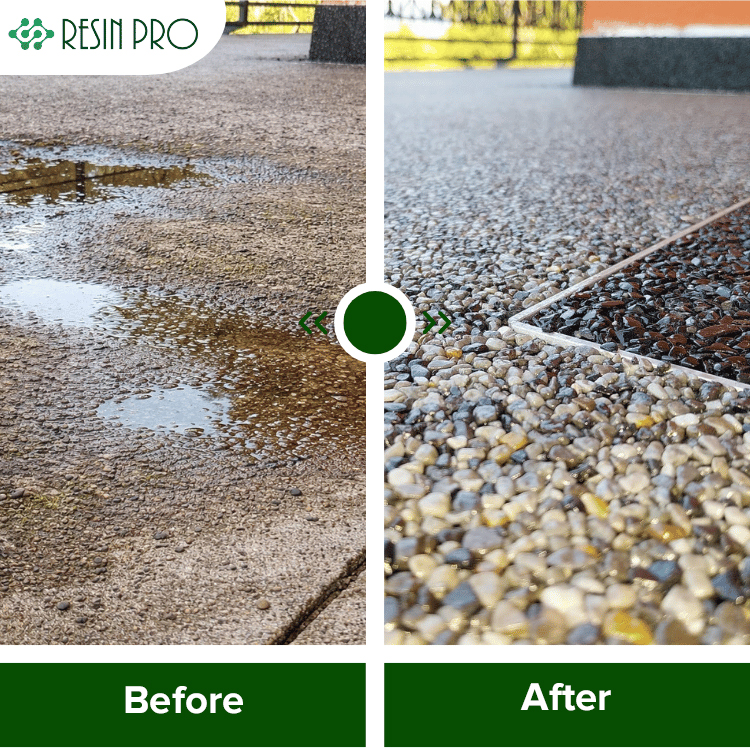
Real-World Installation Examples
See how Flowstone and Washed Pebbles create visually striking, long-lasting permeable surfaces that complement modern homes, public walkways, and garden settings. The right aggregate and resin combination transforms outdoor spaces with durability and natural style.
Which Resin or Stone System Suits Your Driveway?
Matching a permeable driveway to your specific environment means considering drainage performance, ease of installation, and visual style. There are several routes you can take, each with their own advantages:
- “Flowstone” – Complete Permeable Floor Kit with Pebbles and Resin: Choose this if you want an inclusive kit for driveways, patios, and footpaths designed specifically for UK conditions. The kit covers surface area-based quantities and guides on non-yellowing polyurethane for white stone, or low-yellowing epoxy for coloured aggregates—ensuring colour stays vibrant year-round. Its cost-effective renewal approach allows easy restoration, while customisable finish means you can select from a wide range of hues and granule sizes. Explore the Flowstone Complete Kit.
- Washed Pebbles for Permeable Floors 25kg – Outdoor Resin-Bound Surfaces: These sustainably sourced, pre-washed pebbles are ideal if you prefer choosing your own resin or want to blend aggregates (such as marble or granite granules) for a unique result. Their primary benefit is excellent drainage; they are ready-to-use for hassle-free application. Perfect for patios, paths, or bespoke projects. Browse Washed Pebbles options.
- “Resinstone” – One-Component Methacrylic Resin for Concrete Floors and Driveways: If your driveway is already concrete and you want lasting, breathable waterproof and durable protection, this is your go-to. It forms a tough, UV- and weather-resistant barrier, dries quickly, and can be used on garages or yards too. Suitable for both contractors and confident DIYers. See Resinstone resin details.
Step-by-Step: How to Choose the Right System
Consider these questions as you decide:
Is water drainage the main priority? If so, an aggregate-bound resin system—where pebbles and resin are blended, such as the Flowstone Kit or Washed Pebbles—is recommended. These combinations ensure rapid rainfall runoff passes through, minimising puddling.
Are you starting from an existing concrete driveway? If yes, Resinstone is perfect for sealing, protecting, and ensuring continued breathability. This prevents moss, weeds, and cracks caused by trapped moisture.
How creative or custom do you want to be? If bespoke looks are your goal, opt for selecting your pebble type and resin binder independently for full control of texture and colour, starting with Washed Pebbles.
For a ready-to-follow, beginner-friendly solution, the Flowstone Kit comes with instructions and pre-measured materials, making it easy for novice and experienced users alike to achieve high-standard permeable finishes.
More Advice on Sustainable Permeable Surfaces
If you are still unsure which product to choose, our Pebble Floors section details more about available pebble, resin, and kit options. For concrete protection and multi-use resins, also browse our Multipurpose Epoxy Resins category for driveway and patio solutions tailored to UK weather and usage.
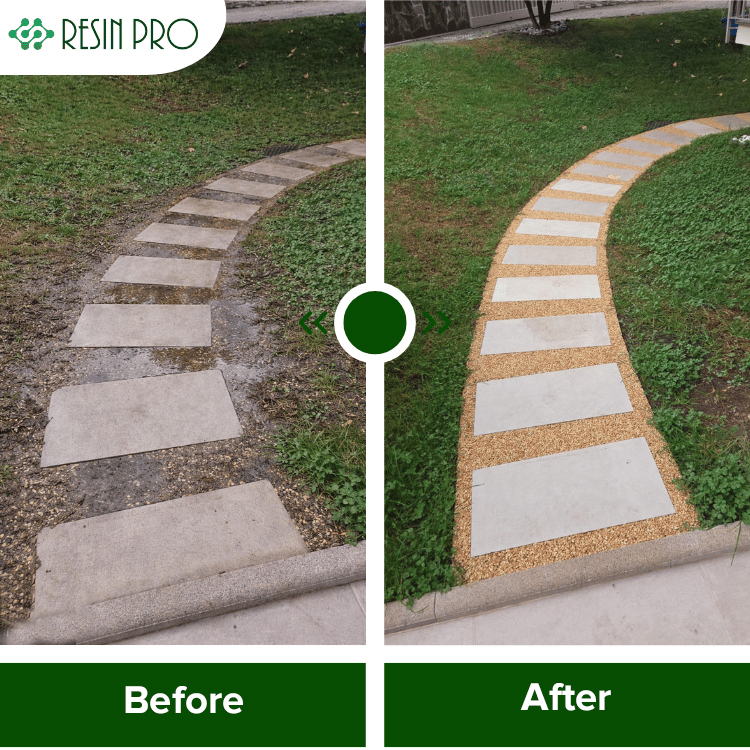
Frequently Asked Questions About Permeable Driveway Solutions
- "Flowstone" – Complete Permeable Floor Kit with Pebbles and ResinPrice range: £42.85 through £3,389.85This durable, permeable pebble and resin kit is designed for driveways, footpaths and patios. Suitable for UK outdoor conditions and easy to apply.
 Washed Pebbles for Permeable Floors 25kg – Outdoor Resin-Bound Surfaces£26.85Washed Pebbles for Permeable Floors provide a practical choice for outdoor resin-bound surfaces with natural materials for sustainable landscaping.
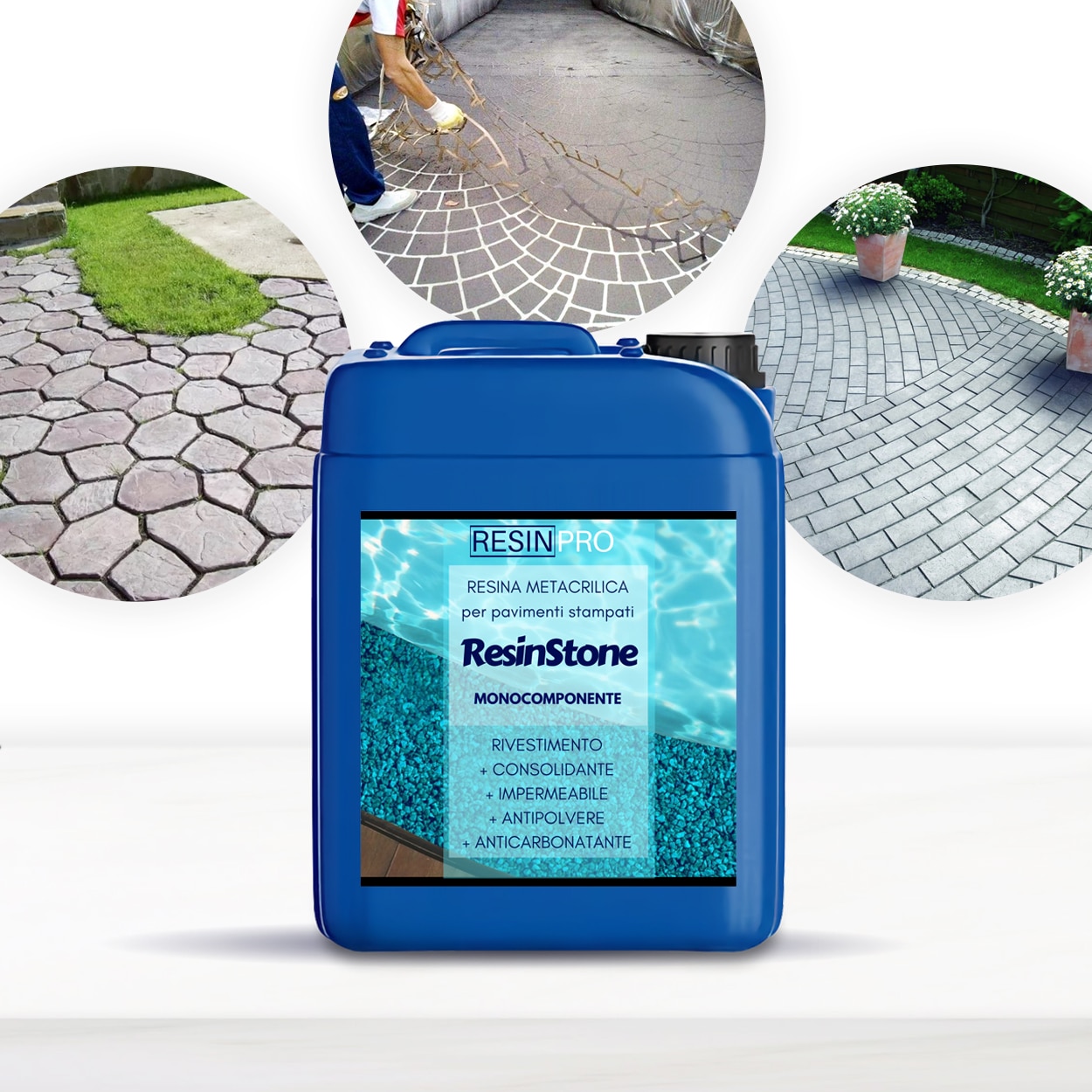 "Resinstone" – One-Component Methacrylic Resin for Concrete Floors and DrivewaysPrice range: £29.85 through £59.85"Resinstone" is a one-component methacrylic resin designed for sealing concrete floors and driveways, suitable within the theme asking about…
What is the difference between resin-bound and resin-coated driveways?
Resin-bound systems blend pebbles or aggregates with resin before being laid, leading to a seamless, permeable surface. Resin-coated (or sealed) surfaces generally refer to adding a resin top layer over existing concrete, offering protection and sometimes partial permeability if the base allows.
Can I use these products for high-traffic or heavy vehicle areas?
Both the Flowstone kit and Washed Pebbles (when paired with a suitable resin binder) are engineered for UK driveways, footpaths, and lightly trafficked areas. For consistent heavy vehicle use, ensure a professional-grade concrete base and follow manufacturer recommendations for each product.
Do I need special tools to install a permeable driveway with your kits?
For the Flowstone kit or Washed Pebbles systems, basic DIY tools and, for larger areas, a cement mixer are recommended to blend aggregates and resin evenly. Detailed, step-by-step guidance comes with the Flowstone kit. For Resinstone, a roller or brush is usually adequate for application.
Are the resins and pebbles eco-friendly?
The Washed Pebbles are made from natural, sustainably sourced materials. The resin solutions are formulated for long service life and water permeability, aligning with sustainable landscaping practices.
Can I mix different aggregate colours and shapes for a custom effect?
Yes, the Flowstone kit supports a customisable finish with diverse sizes and colours. Washed Pebbles can be mixed with marble, granite, or other granules for entirely bespoke, eye-catching driveways or paths.
Is DIY application possible or is professional help needed?
All featured products are suitable for competent DIY installation. Flowstone includes step-by-step instructions. Larger or complex projects may benefit from the precision or speed of a skilled contractor, especially for concrete preparation and finishing.
What base do I need to use these systems?
For resin-bound pebbles or kits, a solid, permeable sub-base (such as compacted gravel) is crucial. For Resinstone, an existing concrete or absorbent base is required for optimal adherence and protection.
How quickly can I use my driveway after installation?
Resinstone typically allows surface use within 12 hours of application. Pebble and resin systems may need a little longer for full curing—refer to product instructions to confirm when your driveway will be ready.
Frequently Asked Questions
What is the difference between resin-bound and resin-coated driveways?
Resin-bound driveways are created by mixing aggregates (such as pebbles) fully with resin before application, resulting in a seamless, void-free, and permeable surface. Resin-coated driveways involve painting or rolling a layer of resin over an already-set surface—typically concrete or stone—to enhance protection, waterproofing, or appearance. Only resin-bound surfaces allow optimal water permeability and drainage.
Are the resins and pebbles eco-friendly?
Many permeable driveway solutions use natural aggregates, such as washed pebbles, to minimise environmental impact. Modern resins are formulated for durability and sustainability, ensuring a long service life. By promoting water permeability, these systems help reduce local flooding and support sustainable landscaping goals.
Is DIY application possible or is professional help needed?
Products like the Flowstone kit and washed pebbles are designed for confident DIYers, supplying instructions for step-by-step application. Basic tools and, for some systems, a cement mixer can assist. Professional installation is beneficial for very large, complex, or high-traffic driveways to ensure the perfect finish and durability.
What base do I need to use these systems?
Resin-bound and pebble driveways should be installed over a stable, permeable sub-base such as compacted gravel. Sealing resins like Resinstone require an absorbent concrete or similar substrate for proper adhesion and long-term performance.
Can I use these products for high-traffic or heavy vehicle areas?
Permeable resin-bound driveways and protected concrete surfaces can handle regular vehicle and pedestrian traffic when correctly installed. For heavy-duty use or commercial driveways, consult manufacturer guidelines to ensure the chosen system supports the required load and consider a reinforced concrete base where appropriate.