 Free shipping on orders over £29,85
  Shipping Tracking!


 Google
 Facebook
← Back to Which resin bound gravel should I choose for pools?
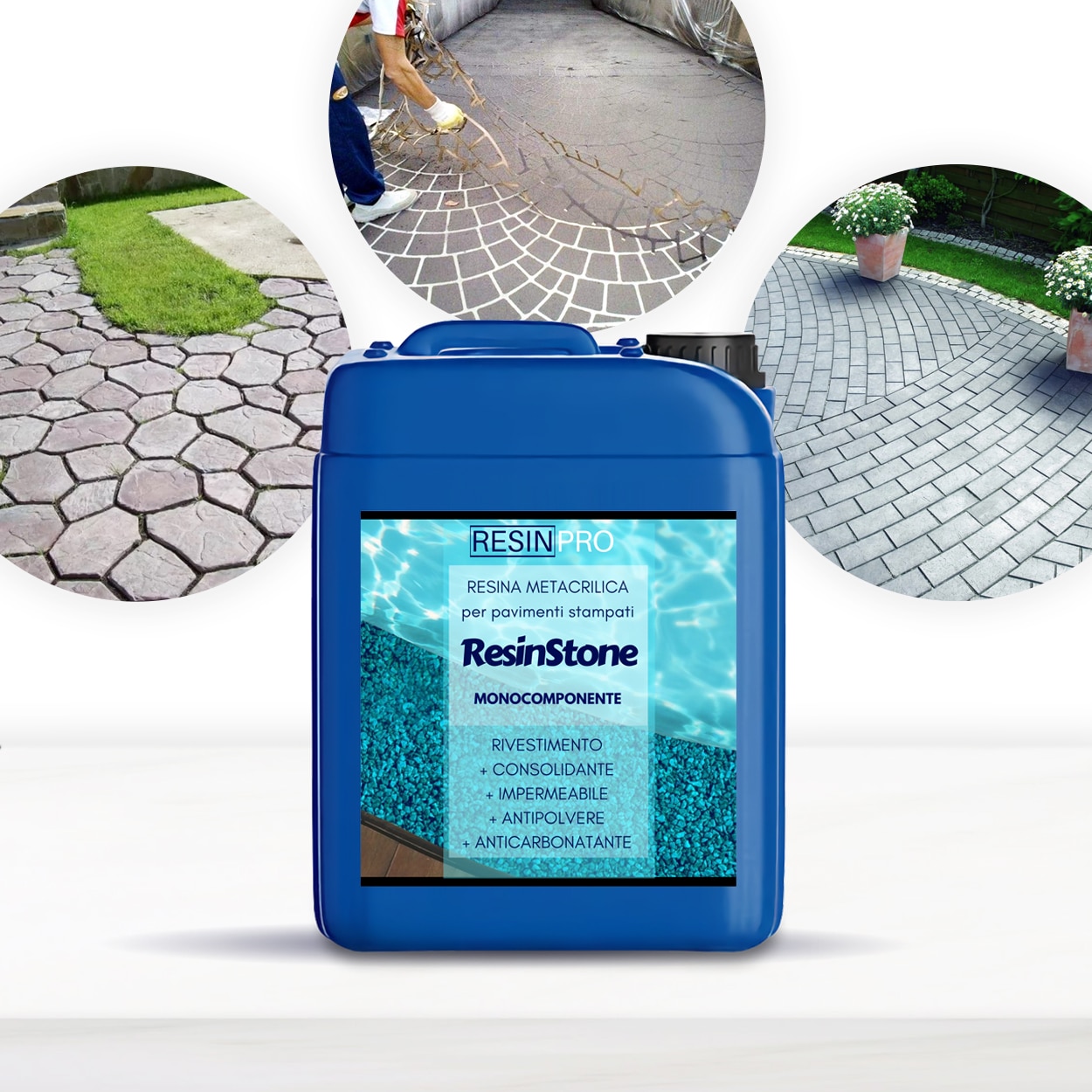
When planning a poolside surface, choosing the right resin system is crucial to ensure lasting protection and an attractive, safe finish. Two major options for these projects are methacrylic and epoxy resins, each with distinct roles and benefits.
Understanding Methacrylic Resins
Methacrylic resins, such as Resinstone, are specially formulated for sealing and protecting concrete pool surrounds. Applied directly to an absorbent surface, they create a breathable barrier that helps prevent moisture penetration without trapping water beneath. This makes methacrylic resin ideal as the first protective layer on new or existing concrete bases, enhancing durability and resistance to weather and pool chemicals.
Epoxy Resins for Pebble Surfaces
Epoxy resins serve a different purpose: binding decorative stones or pebbles together to create a strong, unified surface. Products such as “Trasparente” Epoxy Binder are ideal for mixing with coloured or decorative aggregates. The epoxy not only holds the stones in place, but also delivers a clear, lasting finish that handles both UV and foot traffic. In practical terms, this means epoxy is best used as the binder in the final, aesthetic layer around pools where appearance and durability are vital.
When Each Resin Matters Most
- Methacrylic resins—Best for waterproofing and protecting concrete before decorative surfacing.
- Epoxy resins—Essential for constructing the visible, pebble-bound finish that is both attractive and hard-wearing under wet conditions.
For a complete poolside renovation, consider a layered approach: start with methacrylic resin to seal the concrete base, then apply an epoxy and aggregate mix for the decorative surface.
Related products
Related guides
Choosing the right combination of methacrylic and epoxy resins will enhance both the appearance and longevity of pool area floors. For more expert advice and suitable products, return to our main guide on resin-bound gravel for pools.