 Free shipping on orders over £29,85
  Shipping Tracking!


 Google
 Facebook
← Back to Epoxy resin for final touch
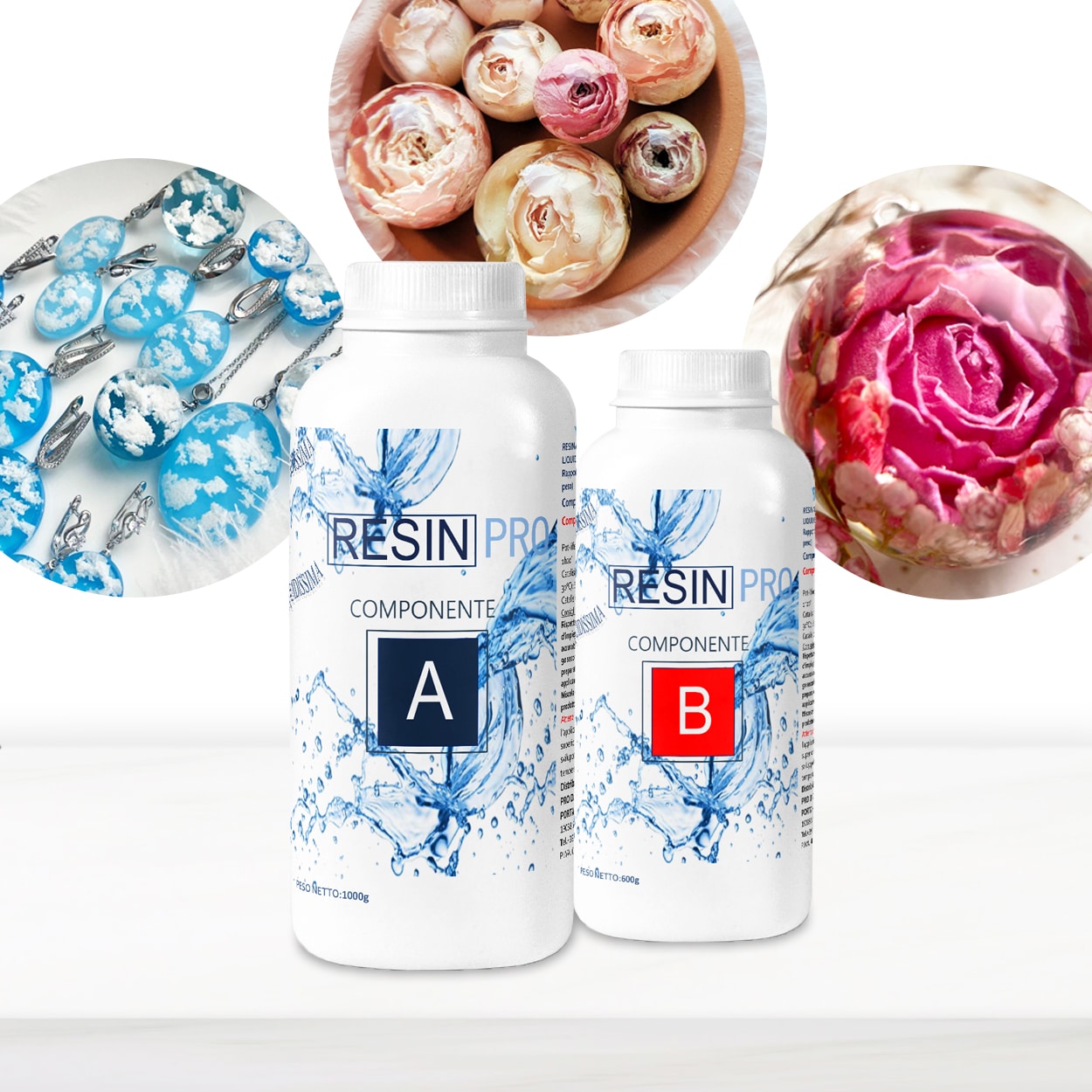
Casting jewellery and intricate moulds demands an epoxy resin that captures fine detail and provides a flawless finish. Choosing the right formula makes all the difference for artists and crafters working at a smaller scale.
What Makes a Resin Ideal for Jewellery and Detailed Moulds?
The best resins for jewellery and highly detailed moulds are those with exceptional clarity and low viscosity, allowing them to flow seamlessly into tiny crevices. These qualities help minimise air bubbles and preserve the intricate features of your designs. A longer working time also provides more flexibility, which is especially useful for precise mixing of colours or embedding tiny findings.
- Transparency: Ensures your creations remain crystal clear.
- Low Viscosity: Aids in capturing every detail while reducing bubbles.
- Extended Working Time: Makes complex projects easier to perfect.
Choosing the Right Epoxy for Your Project
For delicate work like jewellery, Liquidissima epoxy resin is a top choice. It has been specifically formulated for jewellery makers and artists, offering water-clear results and a formula that flows easily into complex moulds. The self-levelling finish helps ensure a smooth, glossy surface each time.
If you’re looking for a faster turnaround, ICreation resin is worth considering, as it allows demoulding in just six hours. For slightly larger creations like pendants or thicker pieces, Trasparente multipurpose resin is suitable for pours up to 2cm while still providing clarity and durability.
When This Matters Most
The need for a specially designed resin is paramount when working with small or deeply detailed silicone moulds, where air bubbles and loss of detail can be especially problematic. Using a resin with low viscosity and high transparency ensures your finished pieces reveal all the intricacies intended in your design.
Related products
Related guides
Selecting a resin formulated for detail and clarity helps make your jewellery and fine mould projects truly shine. To explore more about using epoxy resin for final touch work, return to our main epoxy resin guide.