 Free shipping on orders over £29,85
  Shipping Tracking!


 Google
 Facebook
← Back to What materials does resin not adhere to?
Proper preparation is the key to getting the best bond between resin and wood. Following a few essential steps ensures the resin adheres firmly and lasts over time, whether you’re working on repairs, restorations, or creative projects.
Clean and Dry: The Critical Starting Point
Before working with resin, ensure the wood is dry and free from any contaminants. Moisture, grease, dust, or old finishes can seriously affect adhesion. Start by wiping down your wood with a strong, natural degreaser—this removes oils, silicone residue, and dirt without damaging the material.
After cleaning, allow the wood to dry completely, ideally in a well-ventilated environment. Resin does not bond well to damp surfaces, so patience here makes all the difference.
Surface Preparation: Sanding for Success
Once the wood is clean and dry, sand the surface with medium-grit sandpaper. This creates a slightly textured finish that helps the resin grip more effectively, preventing peeling or bubbles. Remove all dust using a lint-free cloth or vacuum—trapped particles can hinder the epoxy’s ability to soak in.
If the wood is particularly rough or damaged, sanding helps expose healthy fibres for a more reliable bond. Avoid using cleaning products that leave residues, as they may interfere with adhesion.
Choosing the Right Resin Product
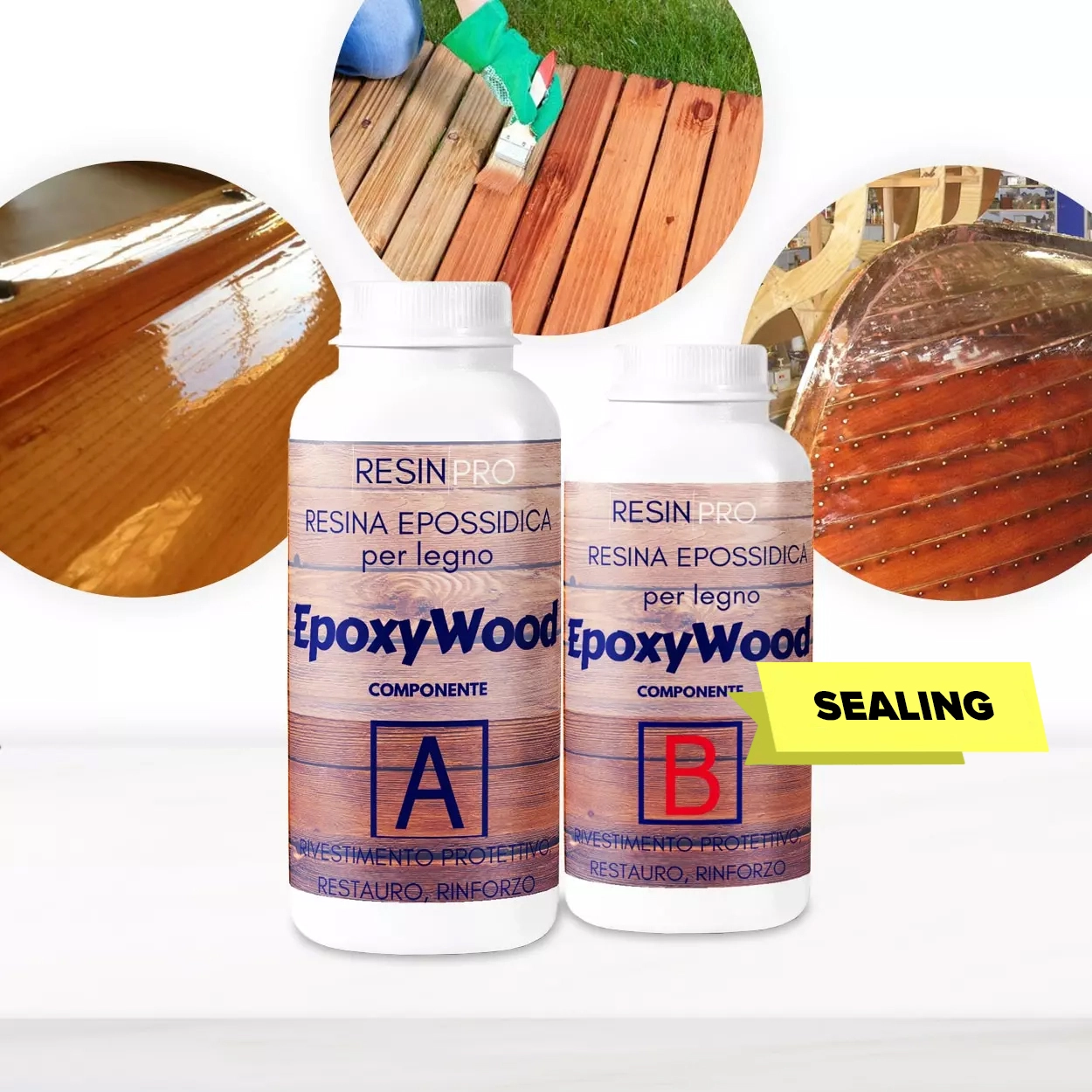
Opt for a resin designed for woodwork, such as EpoxyWood Wood Restoration Epoxy Resin. Its low viscosity allows deep penetration into pores, reinforcing the structure and providing strong, long-lasting adhesion – ideal for restorations, waterproofing, or furniture repairs. For demanding projects requiring gap filling and rapid setting, consider a fast epoxy like Klebfix Two-Component Epoxy Glue.
- Check the manufacturer’s guidance on application and mixing.
- Apply resin in suitable conditions (avoid high humidity or extreme cold).
- Use protective gloves and tools for an even, controlled application.
When Preparation Really Matters
Thorough preparation is especially important for exterior projects, boat repairs, or areas exposed to moisture. In these scenarios, even a small lapse in prep can lead to water ingress or delamination over time.
Related products
Related guides
By taking the time to clean, dry, and sand wood properly before using the right resin product, you set the stage for outstanding, long-lasting results. For more on resin compatibility and advanced bonding advice, explore our full guide: What materials does resin not adhere to?