 Free shipping on orders over £29,85
  Shipping Tracking!


 Google
 Facebook
What materials does resin not adhere to?
Comprehensive guidance for better resin projects and adhesion.


Whether you’re a professional craftsperson, artist or DIY enthusiast, knowing what materials resin does not adhere to is crucial for both successful projects and cleanup. Resins—particularly epoxies—naturally bond with a wide range of surfaces like wood, plastics, metals, and glass. However, for mould making, coatings, or any composite work, improper surface selection or preparation can lead to weak bonds or complete detachment.
This guide will walk you through common scenarios, highlight the surfaces that challenge resin adhesion, and demonstrate how products like the “Klebfix” – Two-Component Fast Epoxy Glue 2K, 25g Syringe, Strong Technical Degreaser for Resin Projects – 100% Natural Formula, “Pure Mould” – Translucent Liquid Silicone Rubber for Mould Making, “3D Finish” – Fast Coating Epoxy Resin for 3D Prints, “EpoxyWood” – Wood Restoration Epoxy Resin for Deep Penetration and Waterproofing, and “Art Pro” – Clear Epoxy Resin for Artists and Surface Coating can each assist you in achieving optimal results.
Materials Resin Will Stick To — and Where It Won’t
Epoxy and similar resins are formulated to adhere to carefully prepped substrates—wood, plastics, metal, fibreglass, and glass, to name a few. Products like “Klebfix” – Two-Component Fast Epoxy Glue 2K, 25g Syringe rapidly bond to plastic, glass, metal and wood, provided these surfaces are roughened and clean. Similarly, “3D Finish” – Fast Coating Epoxy Resin for 3D Prints ensures a strong, glossy coating on common 3D print plastics—PLA, ABS, and LAYWOOD—after proper preparation. For deep penetration and waterproofing of wood, EpoxyWood – Wood Restoration Epoxy Resin for Deep Penetration and Waterproofing is specifically designed for natural wood grain and marine surfaces.
However, resin adhesion fails or is significantly weakened on certain surfaces—particularly those that are oily, greasy, silicone-based, flexible, or exceptionally smooth. For example, untreated plastics like polyethylene (PE), polypropylene (PP), and surfaces contaminated with silicone or wax are common culprits. That’s why for clean adhesion, a preparatory step using a dedicated cleaner such as Strong Technical Degreaser for Resin Projects – 100% Natural Formula is highly recommended, as it will remove residues like grease, wax, or adhesive traces that could obstruct solid bonding.
When using high-quality art or craft epoxies like Art Pro – Clear Epoxy Resin for Artists and Surface Coating, always ensure your substrate is free from contaminants for the clearest, most durable results.
Where Resin Does Not Adhere — The Essentials
Certain categories of materials resist resin adhesion either due to their chemical makeup or surface structure:
- Silicone surfaces: Professional grade silicones like those found in “Pure Mould” – Translucent Liquid Silicone Rubber for Mould Making remain perfectly non-stick for epoxy, polyester, and polyurethane resins. This makes them the preferred choice for reusable moulds.
- Oily and greasy surfaces: Residues from oils, silicones, and waxes must be removed with an effective cleaner, otherwise strong bonding is impossible.
- Polyethylene and polypropylene: These plastics lack functional groups for resin to grab onto. Epoxies generally do not adhere without special priming or surface treatment.
- Non-sanded surfaces: Glossy metals, glass, and some ceramics—unless lightly roughened—may result in insufficient bond strength or delamination.
- Porous materials with trapped moisture: For example, timber not properly dried and sanded can resist resin penetration, which is why products like “EpoxyWood” specifically emphasise the need for “perfectly dry and sanded” wood for best results.
If you need a surface that won’t bind to your resin, opt for silicone products like “Pure Mould” or polythene films as reliable release layers for casting.
Product-by-Product Guide: Application Scenarios
Choosing the right products and understanding their strengths helps ensure you avoid failed projects from poor resin adhesion.
The “Klebfix” – Two-Component Fast Epoxy Glue 2K, 25g Syringe excels in bonding to plastics (except PE and PP), glass, metal, and wood, but requires clean, slightly roughened substrates. For general surface cleaning, removing any contaminants prior to application, use the Strong Technical Degreaser for Resin Projects – 100% Natural Formula, which tackles grease, oils, marker residues, adhesives, wax, and silicone effectively and safely.
For projects involving intricate casting or repetitive demoulding, “Pure Mould” – Translucent Liquid Silicone Rubber for Mould Making offers the perfect non-stick mould environment for resins, plasters, or cements. If you’re coating or finishing a 3D print, “3D Finish” – Fast Coating Epoxy Resin for 3D Prints is specially formulated for great adhesion on PLA, ABS, and LAYWOOD, but less suited for untreated flexible plastics. Meanwhile, EpoxyWood – Wood Restoration Epoxy Resin for Deep Penetration and Waterproofing ensures maximum waterproofing and reinforcement for sanded and dried wood, but ineffective on damp or dirty surfaces. For thin, glass-like art finishes, Art Pro – Clear Epoxy Resin for Artists and Surface Coating delivers clarity and durability on non-porous, contaminant-free substrates.
Comparing Products and Choosing the Right Release or Adhesion Strategy
Understanding both what resin adheres to and what it doesn’t is central to success in resin craft, repairs, or art. Here’s how to harness the right combination for your project:
- Use Strong Technical Degreaser for Resin Projects – 100% Natural Formula to remove adhesion-inhibiting contaminants for a perfect foundation.
- Apply “Pure Mould” – Translucent Liquid Silicone Rubber for Mould Making wherever a non-stick mould or release surface is required.
- For bonded repairs, select “Klebfix” – Two-Component Fast Epoxy Glue 2K, 25g Syringe or EpoxyWood – Wood Restoration Epoxy Resin for Deep Penetration and Waterproofing and prepare your substrates accordingly.
- For coatings or artistic finishes, Art Pro – Clear Epoxy Resin for Artists and Surface Coating and “3D Finish” – Fast Coating Epoxy Resin for 3D Prints excel on their listed compatible surfaces.
Ultimately, achieving strong or intentionally weak adhesion is a matter of both material choice and meticulous surface preparation.

Visualising Resin Adhesion: Practical Substrate Examples
Observe how epoxy resin responds to a variety of surfaces side by side—from sanded wood and metal to silicone rubber and oily plastics. Notice the beading and lack of cure on silicones and oily films compared to the strong, even coverage on prepped timber or sandblasted metals. This direct demonstration powerfully shows which materials naturally resist resin bonding and which, with surface preparation, result in optimal adhesion.
Practical Scenarios: When You Want Resin NOT to Stick
There are countless occasions when a non-adhering surface is essential—consider demoulding resin casts, creating reusable art moulds, or separating joined layers in composite fabrication. The “Pure Mould” – Translucent Liquid Silicone Rubber for Mould Making is ideal here, acting as a reliably non-stick base for various resins, plasters, and cements and supporting repeated casting cycles.
Alternatively, for direct work surfaces or protecting workbenches, sheets of silicone, polythene or other truly non-absorbent plastics commonly resist accidental resin drips and spills. For best outcomes, always choose non-stick surfaces and consider your clean-up plan before pouring. Surfaces still contaminated with silicone or wax also resist resin, emphasising the value of Strong Technical Degreaser for Resin Projects – 100% Natural Formula when adhesive bonding is needed.
Surface Preparation is Everything for Adhesion Success
Even industry-leading adhesives or coatings will underperform if the surface is not properly prepared. Preparing a dry, clean, and slightly roughened base ensures the best mechanical grip for products like “Klebfix” – Two-Component Fast Epoxy Glue 2K, 25g Syringe or “3D Finish” – Fast Coating Epoxy Resin for 3D Prints. Likewise, for wood, drying and sanding enable deep resin penetration—crucial for EpoxyWood – Wood Restoration Epoxy Resin for Deep Penetration and Waterproofing. Mould release agents or genuinely non-stick silicone keep resin from sticking where you don’t want a bond.
Surface Preparation: Before and After Cleaning and Sanding
Compare untreated surfaces with those that have been completely degreased using products like the Strong Technical Degreaser for Resin Projects – 100% Natural Formula or carefully sanded. See how the contact angle of resin drops dramatically on clean, roughened surfaces, while beads or peels away on oily, glossy, or waxed substrates. Preparation is the key to professional results in any resin project.
Summary: Maximising and Minimising Bonding—By Design
To summarise, the art and science of resin work depends on knowing precisely what materials resin will, and will not, adhere to. If you wish to promote adhesion—prepare, clean and dry the surface, select compatible materials, and choose your resin product with care. When you need a release or non-stick property, silicone rubbers or polythene releases are your best allies.
Explore our full collection of innovative resin solutions to take the guesswork out of adhesion and demoulding. Selecting from “Klebfix”, “Pure Mould”, “3D Finish”, “EpoxyWood”, “Art Pro”, and essential preparatory cleaners means you’ll always achieve your intended outcome with confidence.
- "Klebfix" – Two-Component Fast Epoxy Glue 2K, 25g Syringe£22.85"Klebfix" 2K Fast Epoxy Glue bonds various materials and sets quickly, suitable for professional and home repairs under the theme 'What materials…
- Strong Technical Degreaser for Resin Projects – 100% Natural FormulaOriginal price was: £10.00.£8.85Current price is: £8.85.Strong Technical Degreaser is suitable for cleaning surfaces commonly encountered in resin projects using a natural, gentle formula.
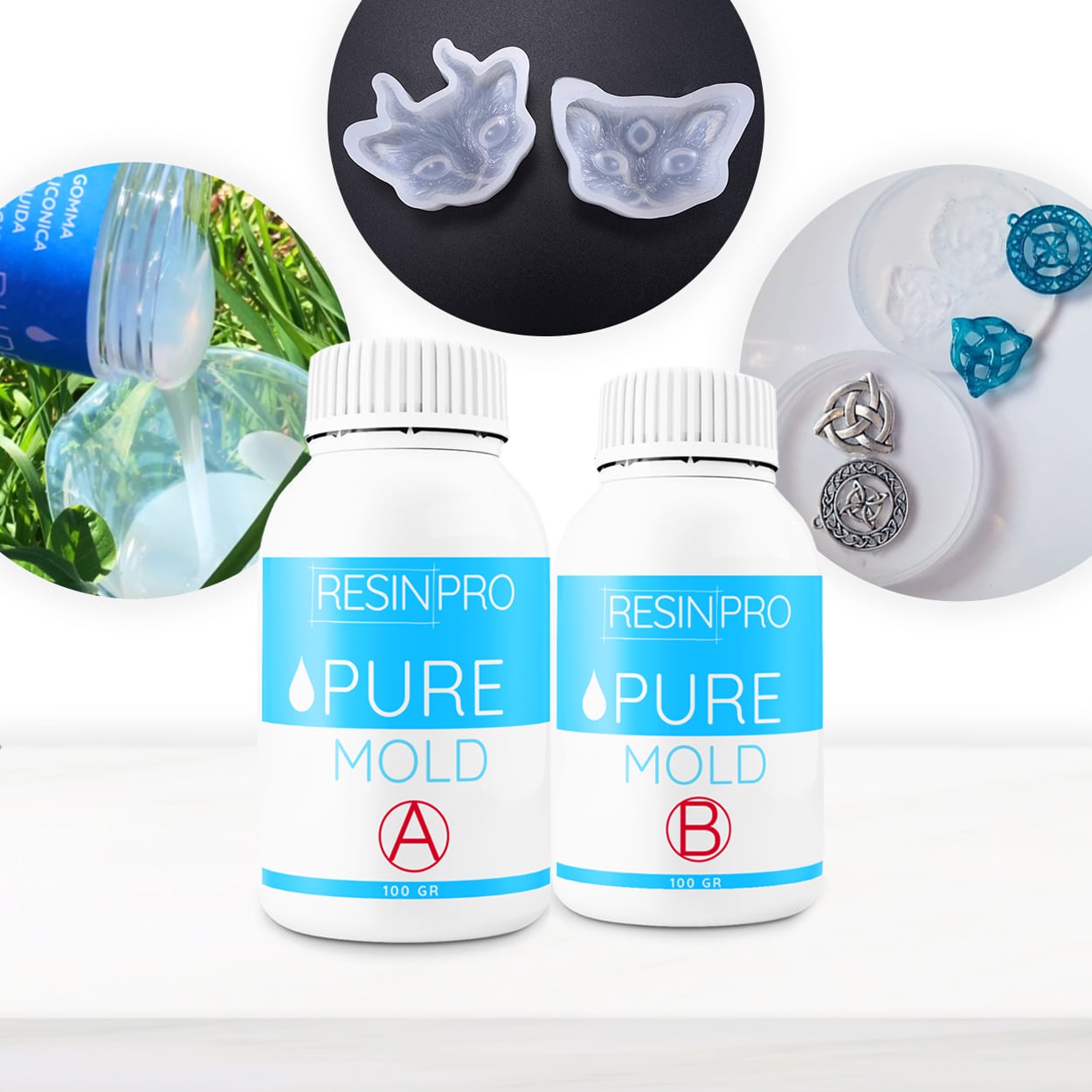
- "Pure Mould" – Translucent Liquid Silicone Rubber for Mould MakingPrice range: £22.85 through £158.85"Pure Mould" is a translucent liquid silicone rubber designed for mould making compatible with various resin and casting materials.
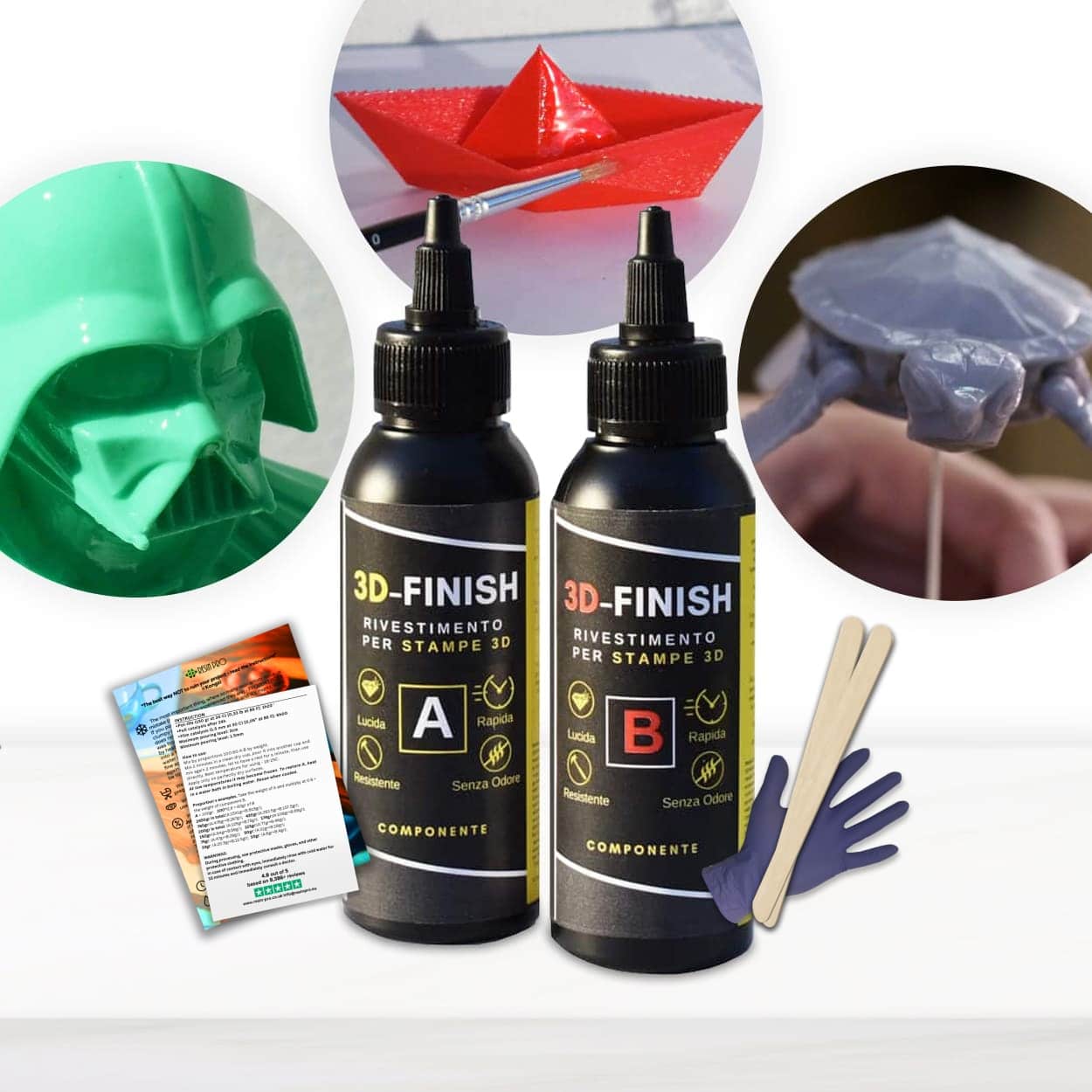 "3D Finish" – Fast Coating Epoxy Resin for 3D PrintsPrice range: £12.85 through £18.85"3D Finish" offers a non-drip coating that preserves fine detail and enhances 3D printed parts in common materials.
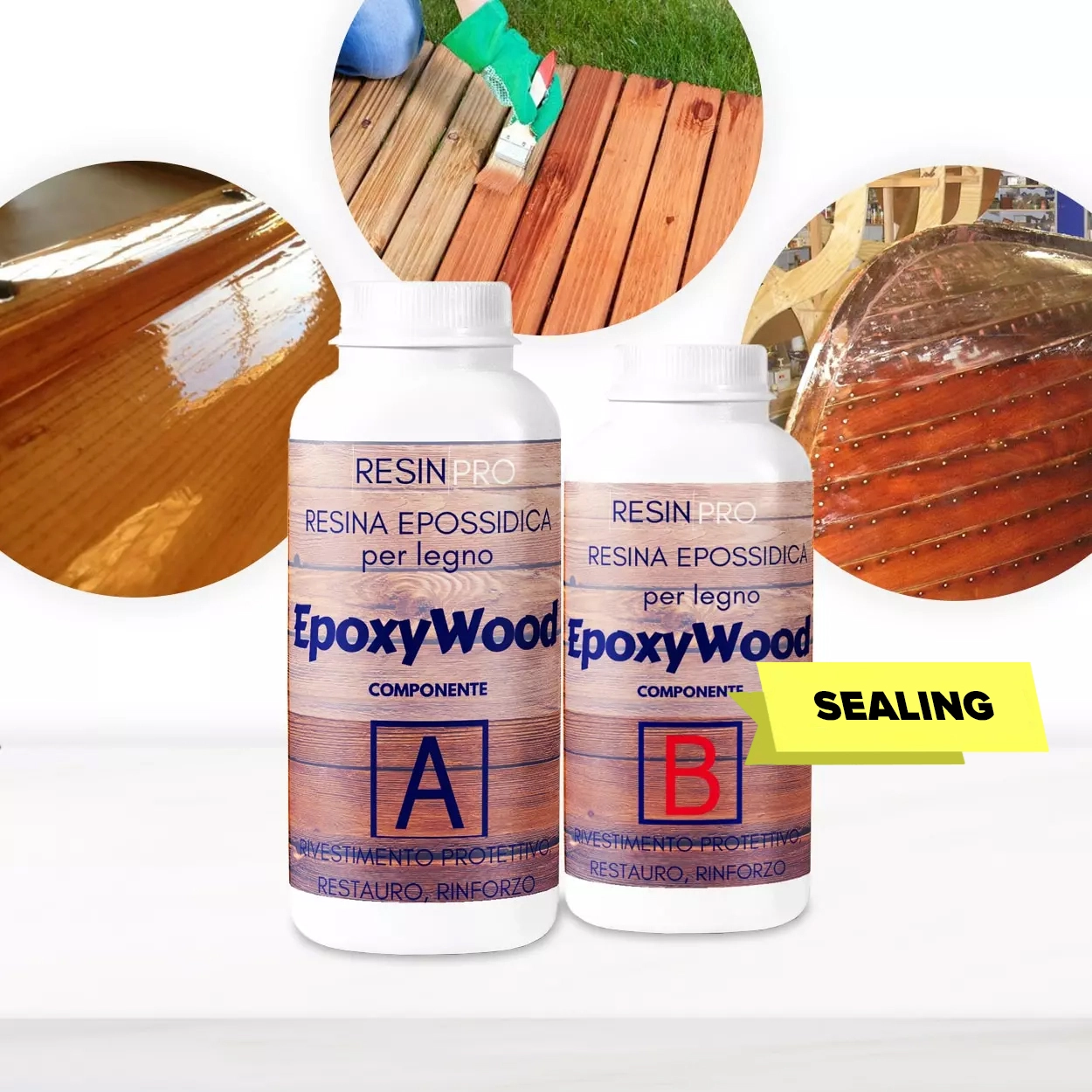 "EpoxyWood" – Wood Restoration Epoxy Resin for Deep Penetration and WaterproofingOriginal price was: £64.00.£39.85Current price is: £39.85.EpoxyWood is an epoxy resin designed for deep penetration and waterproofing of wooden surfaces with a natural finish.
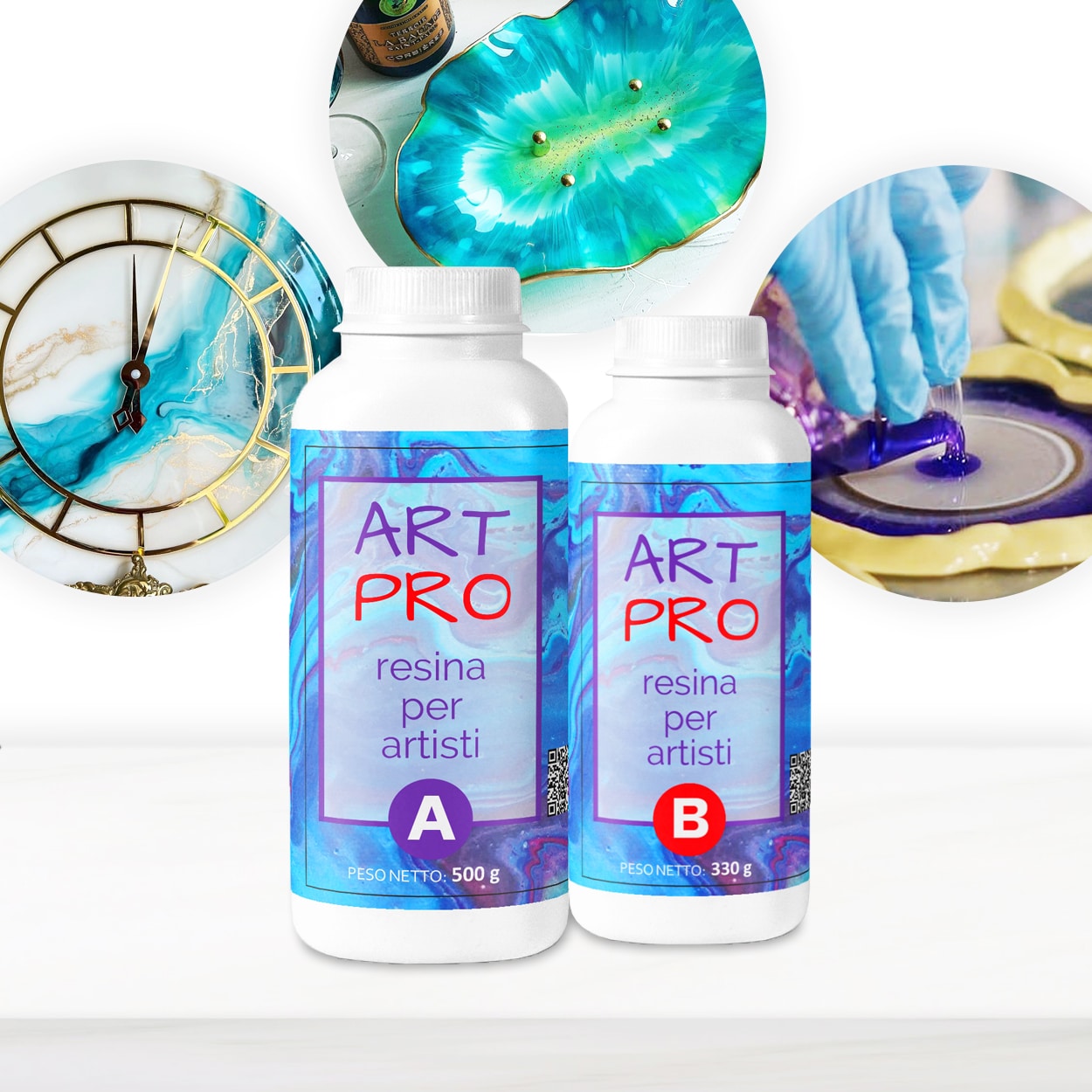 "Art Pro" – Clear Epoxy Resin for Artists and Surface CoatingPrice range: £31.15 through £388.85Art Pro epoxy resin provides a clear, durable finish suitable for artists and crafters requiring glass-like coatings.
Frequently Asked Questions
What are the most common surfaces resin will not bond to?
Resin generally struggles to adhere to silicone, untreated PE and PP, waxed or oily surfaces, and any substrate contaminated with grease or silicone residues. Always refer to your product instructions for best results.
How can I ensure strong resin adhesion to wood?
Ensure the wood is dry, sanded, and free from dust or grease. Products like EpoxyWood – Wood Restoration Epoxy Resin for Deep Penetration and Waterproofing penetrate deeply and reinforce wood, but only if the substrate is clean and prepared appropriately.
Are there products designed for creating non-stick surfaces for resin casting?
Yes, "Pure Mould" – Translucent Liquid Silicone Rubber for Mould Making is specifically engineered so cured resin releases cleanly from the mould without sticking.
What role does cleaning play in resin adhesion?
Surface contaminants like grease, wax, or silicone will always inhibit resin bonding. Always use an appropriate degreaser, such as Strong Technical Degreaser for Resin Projects – 100% Natural Formula, for optimal adhesion.
Why does resin sometimes peel from plastic or glass?
Very smooth, non-porous surfaces don’t provide sufficient grip for resin. Light abrasion (sanding) and thorough cleaning are required before application, as demonstrated for best results with "3D Finish" – Fast Coating Epoxy Resin for 3D Prints and "Klebfix" – Two-Component Fast Epoxy Glue 2K, 25g Syringe.
Can I use any resin for thick castings?
Not all resins are suitable for deep pours or thick castings. For example, Art Pro is formulated for coatings and thin layers, not for thick casting. Always consult the product indication.
What’s the best way to release resin from a mould?
Use silicone-based mould materials such as "Pure Mould" – Translucent Liquid Silicone Rubber to allow the cured piece to lift out cleanly without sticking or damaging the mould.