 Free shipping on orders over £29,85
  Shipping Tracking!


 Google
 Facebook
Do pigments affect resin catalysis?
Understand pigment impacts on resin curing for consistent results


When working with epoxy resin, one frequently asked question is: Do pigments affect resin catalysis? From breathtaking river tables and contemporary jewellery to pebble floors and technical composites, the choice and amount of pigment you use matters for both appearance and curing behaviour. This page explains how pigments can influence your resin’s curing process, and offers an overview of specialised products from ResinPro that are carefully designed with these considerations in mind.
Whether you’re aiming for bold opaque effects with “Colourfun” – Liquid Epoxy Resin Colourant 25-100ml – High coverage, translucent layering via the “Colourfun Set” – Liquid Epoxy Resin Colourant Set for Solid Colour Effects, or technical strength for composites with “Carbon Resin” – Epoxy Resin for Carbon Fiber & Fiberglass Coating, understanding pigment effects is key to your project’s success. Let’s explore best practice, suitable product lines, and tips to avoid common curing issues.
Understanding Pigment and Resin Catalysis
Epoxy resins harden through catalysis, a chemical reaction between resin and hardener. Introducing pigments—liquid or powder—enhances visual appeal but may sometimes influence curing if not properly dosed or mixed. Impacts can range from delayed curing, incomplete setting, or changes in final mechanical properties—especially if recommended concentration limits are exceeded. High-quality resins and specialist pigments are formulated to minimise such risks.
- Liquid colourants like “Colourfun” are crafted for seamless integration into resin systems, ensuring even colour without destabilising the reaction.
- Powder pigments such as the “Neon” – Bright Powder Pigments – 10g” work best when thoroughly blended into component A before adding the hardener.
- Certain project styles, such as pebble flooring, require binders formulated to preserve transparency even when colourful aggregates are present—see “Trasparente” – Epoxy Binder for Coloured Pebbles and Grits.
Staying within advised pigment concentrations is essential—using too much can disrupt the polymerisation process. Specialist products from ResinPro provide clarity on these thresholds, supporting reliable, vibrant results every time.
Comparing Resin and Pigment Solutions
Selecting the right combination of resin and pigment ensures your creative vision comes to life without unwelcome surprises. Here’s a comparative overview of notable options from ResinPro:
- “Colourfun” – Liquid Epoxy Resin Colourant 25-100ml – High coverage is highly concentrated and can be used to achieve anything from transparent stained-glass effects to bold, opaque hues—always with guidance to avoid over-saturation that could disrupt curing. Only a few drops are needed for optimal intensity.
- “Colourfun Set” – Liquid Epoxy Resin Colourant Set for Solid Colour Effects contains pastes ideal for large castings, river tables, and artwork. Their even blending ensures smooth finishes and predictable curing, regardless of whether your goal is translucence or opacity.
- “Neon” – Bright Powder Pigments – 10g provide eye-catching neon shades for resin art and jewellery. Mixing these into the resin first (before adding hardener) prevents clumping and preserves curing uniformity. Staying under 15% pigment by weight is recommended.
- For technical applications, “Carbon Resin” – Epoxy Resin for Carbon Fiber & Fiberglass Coating is engineered to maintain its superior impregnating ability and structural strength, even when coloured additives are introduced prudently.
- “Trasparente” – Epoxy Binder for Coloured Pebbles and Grits delivers a UV-stable, non-yellowing solution for vibrant decorative floors, integrating colour without sacrificing clarity or durability.
- Fast project? “ICreation” – Fast Epoxy Resin, 6h Demoulding, Transparent Gloss Finish catalyses swiftly while maintaining high optical clarity and compatibility with pigments for creative jewellery, decor, or art.
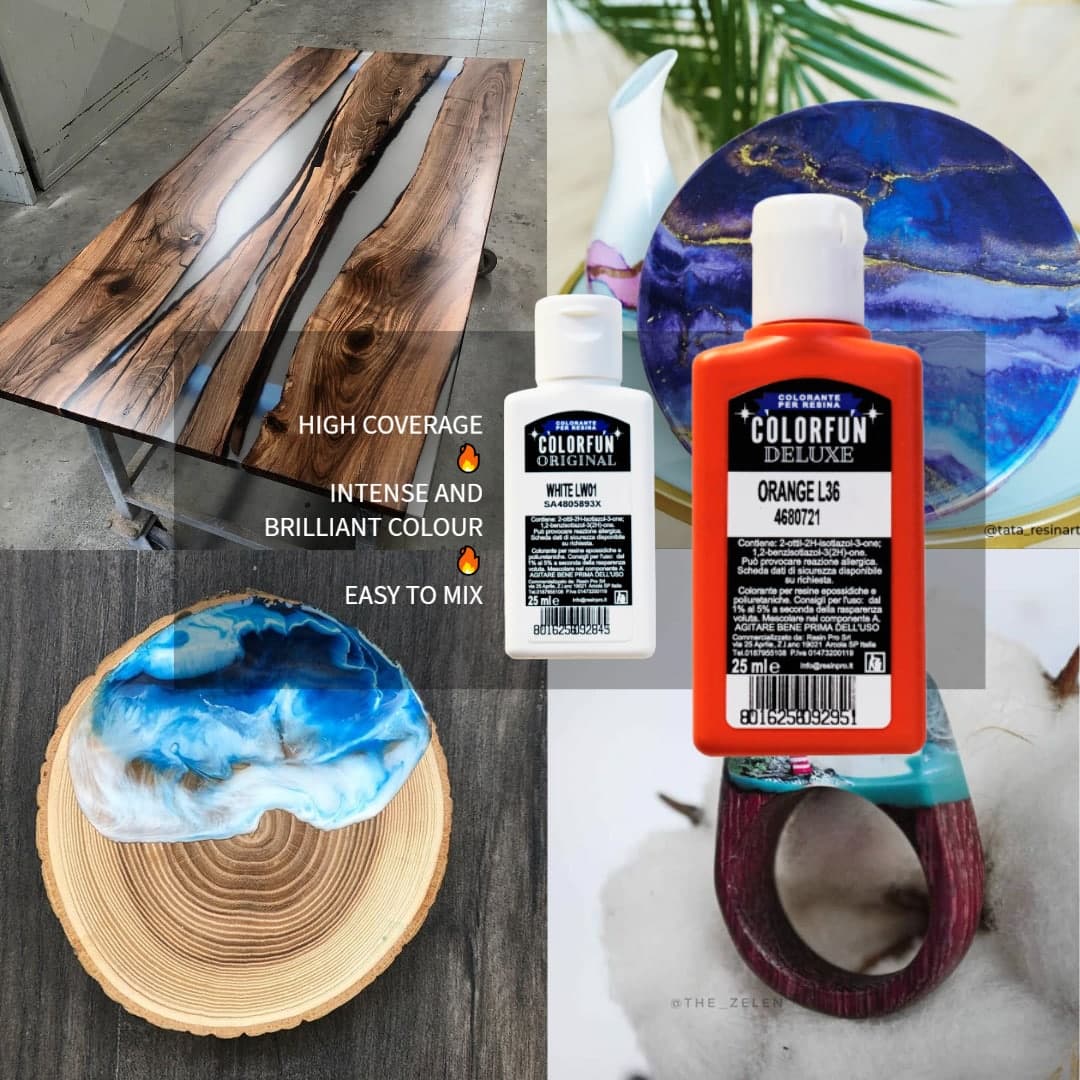
Visual Guide: Resin and Pigment Synergy
See how using purpose-designed pigments with compatible epoxy resin results in vivid, even finishes without sacrificing cure quality or durability. From art and jewellery to flooring and technical composites, the right pairing makes all the difference—ensuring flawless colour and dependable structure from start to finish.
Best Practices: Maximising Colour While Preserving Resin Performance
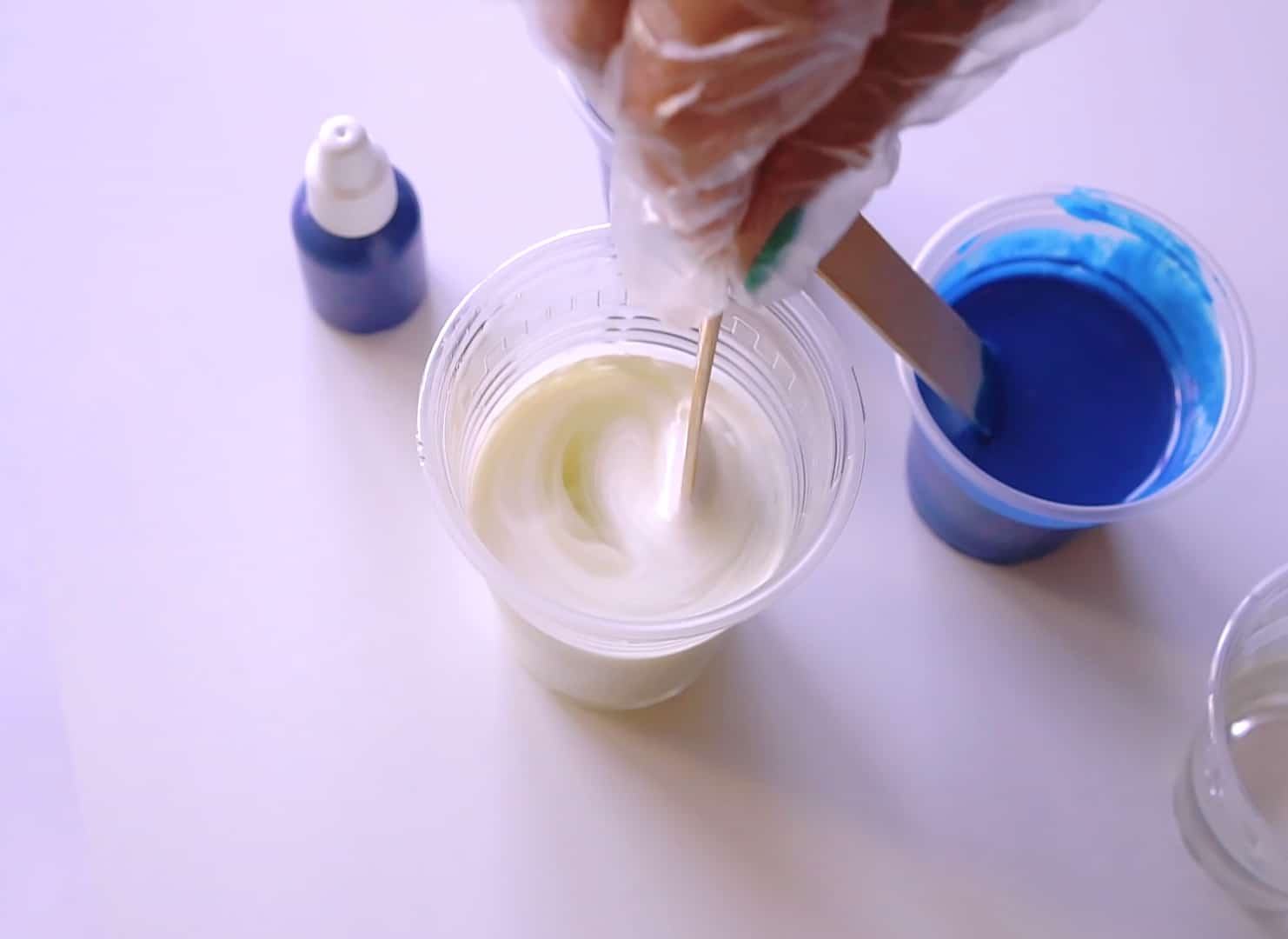
To get flawless results, blend pigments gently and thoroughly into the resin’s part A to avoid streaks or clumping. Reference concentration limits: for example, keep liquid and powder pigments below 5-15% of resin volume, unless a specific product indicates otherwise. Always add pigment first, then hardener, and mix slowly to reduce bubbles. If you desire custom shades—like achieving grey—blend compatible pigments (such as white and black from the Colourfun line) with precise measurement.
For outdoor or light-exposed projects, opt for UV-resistant epoxy systems like “Trasparente” or “ICreation” with integrated UV filters. Technical coated items—carbon fibre, fibreglass—benefit from professional-grade resins that hold their structural properties even with moderate pigment addition.
Need help picking the right dye or binder? See all dyes and pigments and explore multipurpose epoxy resin options for comprehensive solutions.
Common Challenges: What Can Go Wrong?
Using pigments in excess or incompatible pigment types may cause incomplete cures, tacky surfaces, or a weakened structure. Pigment clumps, streaks, or poor dispersion are usually signs of incorrect mixing order or exceeding recommended pigment ratios. Some pigments may also introduce surface dullness, especially if they are not designed for clear or UV-stable systems. Preventing these problems starts with the right choice of product and careful adherence to usage instructions. The ICreation and Colourfun ranges, for example, offer clear guidelines and a high level of resin–pigment compatibility.
Pigments are crucial in creating dramatic visual effects for art, jewellery, or floors, but always ensure every component is specifically engineered for reliable catalysis and finish. For unique texture or brightness, specialty powders like Neon Pigments expand your creative toolkit, provided they are dosed thoughtfully.
Creative Possibilities: Artistry and Engineering in Harmony
Explore countless creative effects and technical solutions made possible by reliable pigment–resin combinations. Master subtle gradients and bold blocks, produce resilient pebble floors, or achieve strong composite laminates—with ResinPro, artistry and engineering unite for guaranteed satisfaction.
FAQs: Pigments, Catalysis, and Epoxy Resin Work
Still have questions about pigment use and resin catalysis or choosing the optimal product for your project? Browse the answers below for practical advice and insights from the ResinPro technical team.
- "Colourfun" – Liquid Epoxy Resin Colourant 25-100ml – High coveragePrice range: £3.65 through £9.85Liquid colourant designed for epoxy resin art offering vivid pigments that blend easily without affecting resin catalysis.
 "Colourfun Set" – Liquid Epoxy Resin Colourant Set for Solid Colour EffectsPrice range: £13.45 through £48.15Colourfun Set contains intense, translucent colouring pastes suitable for transparent epoxy resin projects requiring smooth, even colour effects.
 "Carbon Resin" – Epoxy Resin for Carbon Fiber & Fiberglass CoatingPrice range: £18.85 through £35.85Epoxy resin for carbon fibre and fibreglass designed for composites and technical fabrics with high resistance and a glossy finish.
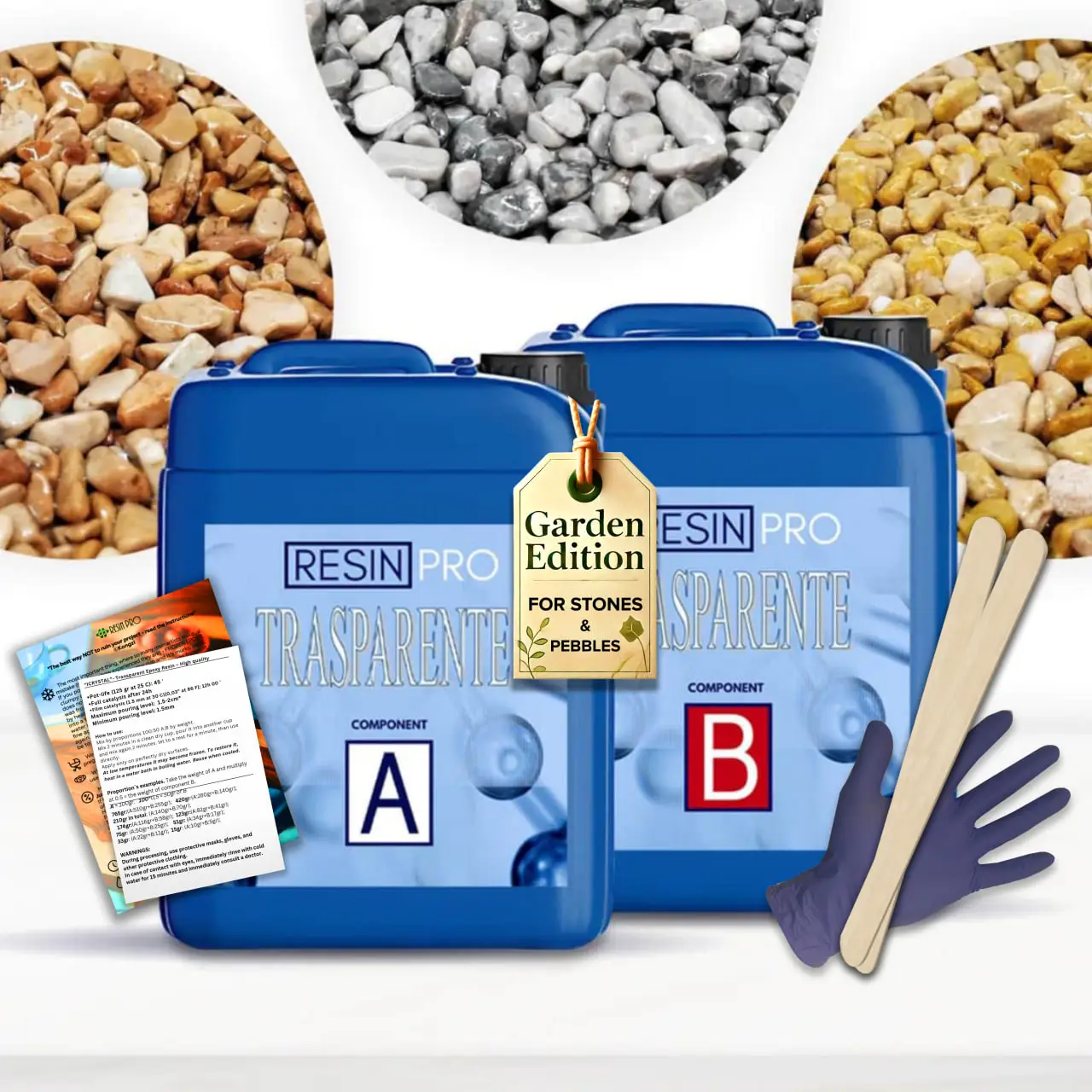 "Trasparente" – Epoxy Binder for Coloured Pebbles and GritsPrice range: £31.85 through £948.85"Trasparente" is a transparent epoxy binder designed for coloured pebbles and grits, suitable for clear finishes with UV stability on decorative…
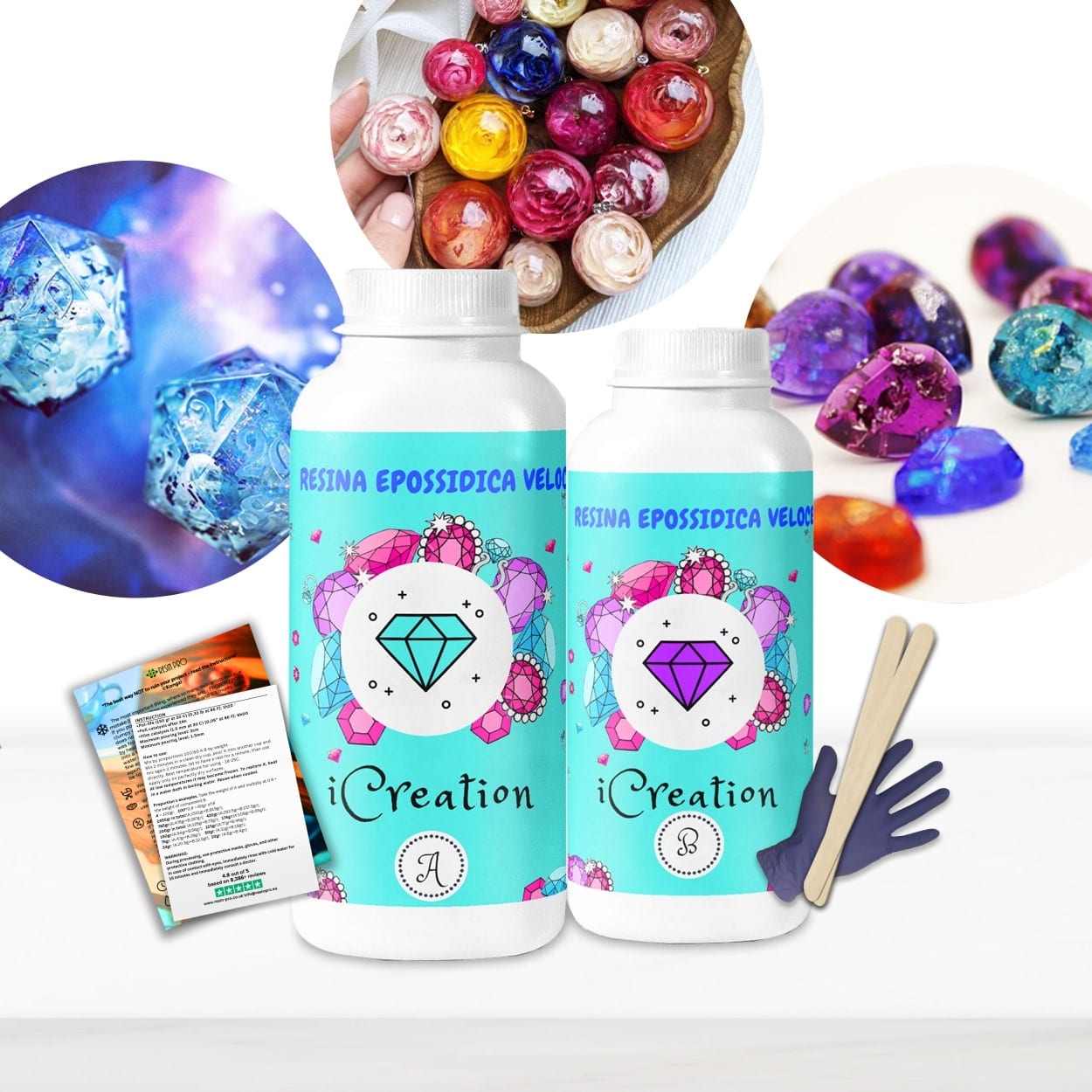 "ICreation" – Fast Epoxy Resin, 6h Demoulding, Transparent Gloss FinishPrice range: £19.40 through £52.85ICreation fast epoxy resin offers a transparent, glossy finish with super-fast catalysis, suited for jewellery and decorative crafts.
 “Neon” – Bright Powder Pigments – 10g“Neon” Bright Powder Pigments offer coloured base powders for creative decoration and resin projects within the context of pigment effects on resin…
Frequently Asked Questions
Do pigments affect the curing of epoxy resin?
Pigments can influence the cure if added in high concentrations. Always follow manufacturer guidelines for pigment-to-resin ratio to ensure correct catalysis and finished strength.
How can I prevent pigments disrupting epoxy resin curing?
Mix pigments thoroughly into component A before adding the hardener, never exceed recommended dosing, and choose pigments tested for epoxy resin compatibility.
Which pigment types suit jewellery, floors, and composites?
Liquid pigments like Colourfun are suited for art and jewellery. Neon powders are ideal for decorative effects, while carbon or transparent binders handle structural and flooring applications—always within specified concentrations.
What if my coloured resin project will face sunlight?
Opt for UV-resistant and non-yellowing epoxy systems like ICreation or Trasparente, which maintain colour clarity and finish even under prolonged exposure.
Is it safe to mix different pigments in resin for unique shades?
Yes, but keep total pigment content below guidance limits to avoid disrupting the resin’s curing process. Refer to product-specific advice for best results.
Do fast-cure resins like ICreation handle pigments well?
ICreation is designed for fast catalysis and remains compatible with pigments at recommended ratios. Avoid overloading, and mix thoroughly for clarity and rapid demoulding.