 Free shipping on orders over £29,85
  Shipping Tracking!


 Google
 Facebook
← Back to Can I pour resin when it is very hot in the workshop?
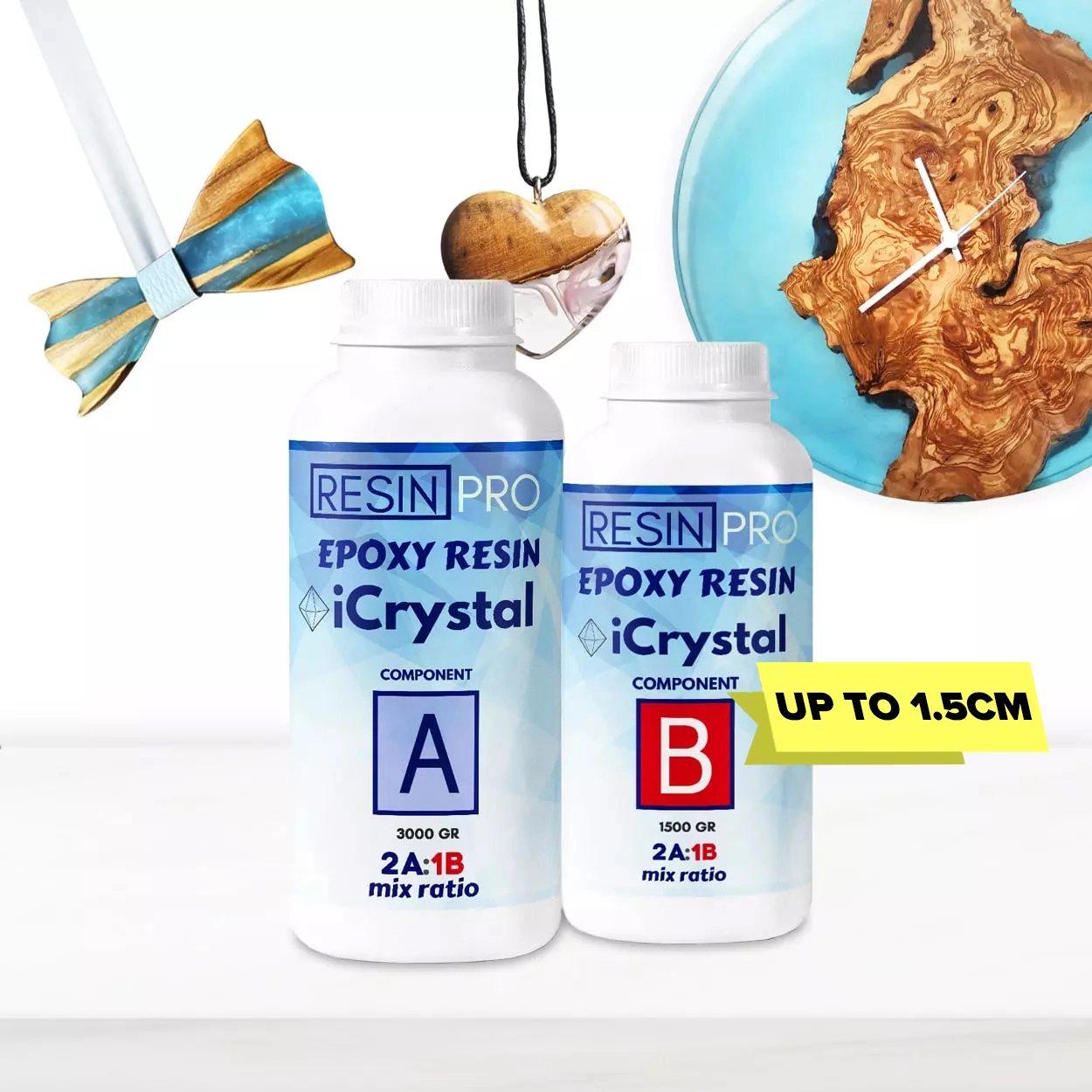
If you’re working on resin projects in the UK, understanding how much heat your epoxy can withstand is crucial. Here we look at the typical maximum heat resistance of popular epoxy resins and what it means for your creative or practical applications.
How Heat Resistant Are Standard Epoxy Resins?
Most epoxies suited for tables, deep castings, and coatings—such as Icrystal and EpoxyTable lines—typically offer heat resistance up to 70°C. This makes them suitable for most indoor conditions, including seasonal fluctuations seen in UK workshops. However, it’s advisable to keep resin projects away from direct prolonged sources of heat (e.g. hot pans or appliances) as temperatures above this threshold can cause surface softening or discolouration over time.
Choosing the Right Resin for Your Project
If your creation needs to withstand everyday heat—such as serving trays or tabletops exposed to warm drinks—select an epoxy with a specified heat resistance rating. For most thick pours and table projects up to 5cm deep, EpoxyTable 5-Five offers reliable protection. If you need thinner coatings or artistic finishes, Icrystal and Art Pro resins are practical choices, each maintaining up to 70°C tolerance in indoor settings.
When Does Maximum Heat Resistance Matter?
Considering the heat resistance is vital if your resin work is destined for environments where it may be subjected to higher temperatures—such as kitchens, window ledges, or workshops during warm periods. This helps prevent unexpected softening or warping of the finish.
Related products
Related guides
Understanding and respecting the heat limits of your chosen epoxy resin ensures lasting results for both functional and decorative projects. For more guidance on resin pouring conditions and product selection, visit our main FAQ about resin use in hot workshop environments.