 Free shipping on orders over £29,85
  Shipping Tracking!


 Google
 Facebook
Can I pour resin when it is very hot in the workshop?
Essential advice for choosing and using resins in high temperatures

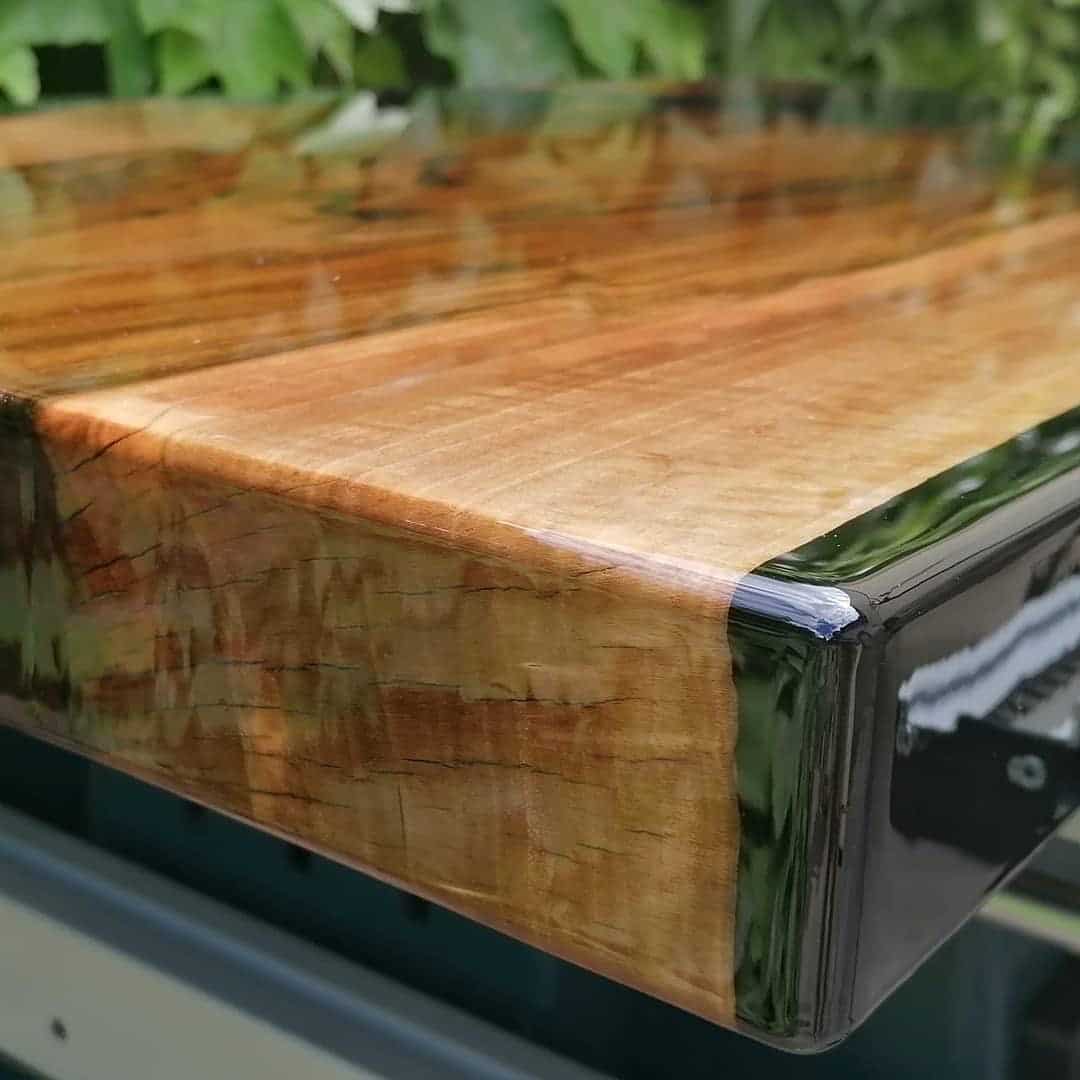
Understanding how temperature affects the pouring and curing of epoxy resin is vital for both successful projects and personal safety. If you have asked yourself, “Can I pour resin when it is very hot in the workshop?”, you are not alone. UK summer temperatures or heated indoor spaces can challenge even seasoned resin crafters. This guide from ResinPro explores how heat impacts different epoxy resins, which products are most suitable for warm environments, and how to achieve bubble-free, high-quality results whatever the weather.
Low exothermic reaction and Heat resistance are key features in selecting a resin for warm workshop conditions. Read on to discover expert advice and recommended products for your specific project needs.
How Does High Temperature Affect Resin Pouring?
When your workshop temperature rises, epoxy resins react differently. Higher temperatures accelerate curing times and can raise the risk of excessive heat build-up—potentially causing yellowing, warping, overflows, or even cracks. Choosing a resin formulated specifically to handle such conditions is essential. ResinPro offers several products crafted to cope with the unique demands of hotter environments while providing reliable clarity, mechanical strength, and long working times for stress-free application.
Comparison Overview: Which Resin Is Best for Hot Workshops?
Not all resins behave the same under heat. Let’s briefly compare four of our popular products suited for a range of thicknesses and applications in warmer workspaces:
- “Epoxytable 10-Ten” – Deep Pour Epoxy Resin for Tables, Up to 10cm Casting is engineered for river tables and large castings. Its Low exothermic reaction and capability for pours up to 10cm make it ideal for big projects, especially when it’s warm.
- “EpoxyTable 5-Five” – Deep Pour Epoxy Resin for Tables and Large Projects – Up to 5cm suits medium-depth castings. Its Long working time and Maximum scratchproof properties combine durability with comfort in use.
- “Icrystal” – Clear Epoxy Resin – Odourless Formula – Up to 1.5cm performs excellently for clear coatings or thinner layers. It is Odourless and boasts High scratch resistance and up to 70°C Heat resistance, making it suitable for jewellery, coasters, and surface finishes.
- “Art Pro” – Clear Epoxy Resin for Artists and Surface Coating offers a Dense, non-drip formula and exceptional finish for art projects and precise coatings, handling temperature variability typical of creative studios or workshops.
All listed resins are vegan friendly and cruelty free, with outstanding UV resistance to guard against yellowing—even under sunlit, warm conditions.

How to Identify Overheating During Resin Pouring
Monitoring the temperature of your mix is crucial as you work, especially in summer. Signs of overheating include rapid thickening, visible bubbling, or a sudden change in clarity. If this happens, stop pouring and let the mixture rest in a cooler spot until the reaction settles. For thick pours, always follow product-specific layer depth recommendations to minimise the risk of a runaway exothermic reaction.
Product Features for Hot Workshop Pouring
The most suitable resins for warm environments feature several common traits:
- Low exothermic reaction: This helps prevent overheating and provides safer, stable curing for thick and large pours—vital when ambient temperatures are high.
- Long working time: A longer ‘open’ time lets you pour and manipulate your resin calmly, even when conditions threaten to set it off quickly.
- Strong UV filters: Hot workshops often mean more sunlight. Robust UV protection is a must for tables, countertops, and art that should resist yellowing for years.
- Heat resistance: All these resins offer heat tolerance up to 70°C, ideal for most UK hobby, studio, and professional use.
See our extensive Resins for Tables and Surfaces Finishes or Top Sellers collections for more choices beyond these highlighted products.
Choosing the Right Resin for Your Hot Workshop Project
Epoxytable 10-Ten suits deep river tables, large tabletops, and any creative casting up to 10cm in one pour due to its advanced Super low viscosity and ability to remain Bubbles free. Its Absence of overheating in large projects is ideal for high summer temperatures, providing peace of mind and a non-yellowing finish (guaranteed five years).
EpoxyTable 5-Five is your go-to for medium-to-deep pours like countertops, art slabs, and styled furniture. It is both highly durable and presents Trusted quality that has made it a UK favourite for years. Be aware that for thicknesses beyond 5 cm, it is best to work in layers when it’s hot.
Icrystal caters to thinner, flawless coatings, jewellery, and elegant art. Its Easy to use, 2:1 mixing ratio is appreciated for consistent results, even if the temperature is elevated, as long as you stay within the 70°C usage guidance.
Art Pro is perfect for artists and decorators who need high-gloss, transparent coatings for trays, coasters, or paintings in studios where temperatures can fluctuate. Its Exceptional clarity and Durable, scratch-resistant surface make for outstanding longevity for creative work.
For casting or coating in hot weather, always observe each product’s layering depth, avoid pouring all at once on oversized projects, and ensure workspace ventilation.
Safer Workspace Preparation for Summer Resin Crafting
Control workshop temperature and humidity by working in shaded areas, ventilating adequately, and securing resin containers away from direct sunlight. For best flow and finish, keep all equipment and surfaces dry and dust-free. Personal protection such as gloves remains essential—even with odourless or non-toxic formulas—especially when environmental heat might accelerate skin contact risks.

Practical Tips for Pouring Resin in High Temperatures
Whatever resin you choose, follow these practical pointers for the best results in summer or a heated indoor setting:
- Work in the cooler part of the day or use fans for gentle air movement if possible.
- Measure and mix with precision. Use electronic scales, especially for resins like EpoxyTable 5-Five, which require a 100:55 (resin:hardener) ratio by weight.
- If pouring larger or thicker castings, consider breaking them into multiple pours with setting intervals.
- Keep unmixed resin in a shaded spot to slow down reaction initiation.
Remember, warmer environments accelerate curing. Rapid setting can increase bubbles and decrease working time, so keep everything ready before mixing and pour promptly but calmly.
- “Epoxytable 10-Ten” – Deep Pour Epoxy Resin for Tables, Up to 10cm CastingPrice range: £33.85 through £334.85Epoxytable 10-Ten is designed for deep casting up to 10cm, suitable for tables and artistic projects under the theme Can I pour resin when it is very…
 "EpoxyTable 5-Five" – Deep Pour Epoxy Resin for Tables and Large Projects – Up to 5cmPrice range: £16.85 through £1,099.85"EpoxyTable 5-Five" is a deep pour epoxy resin designed for tables and large projects with up to 5cm casting thickness.
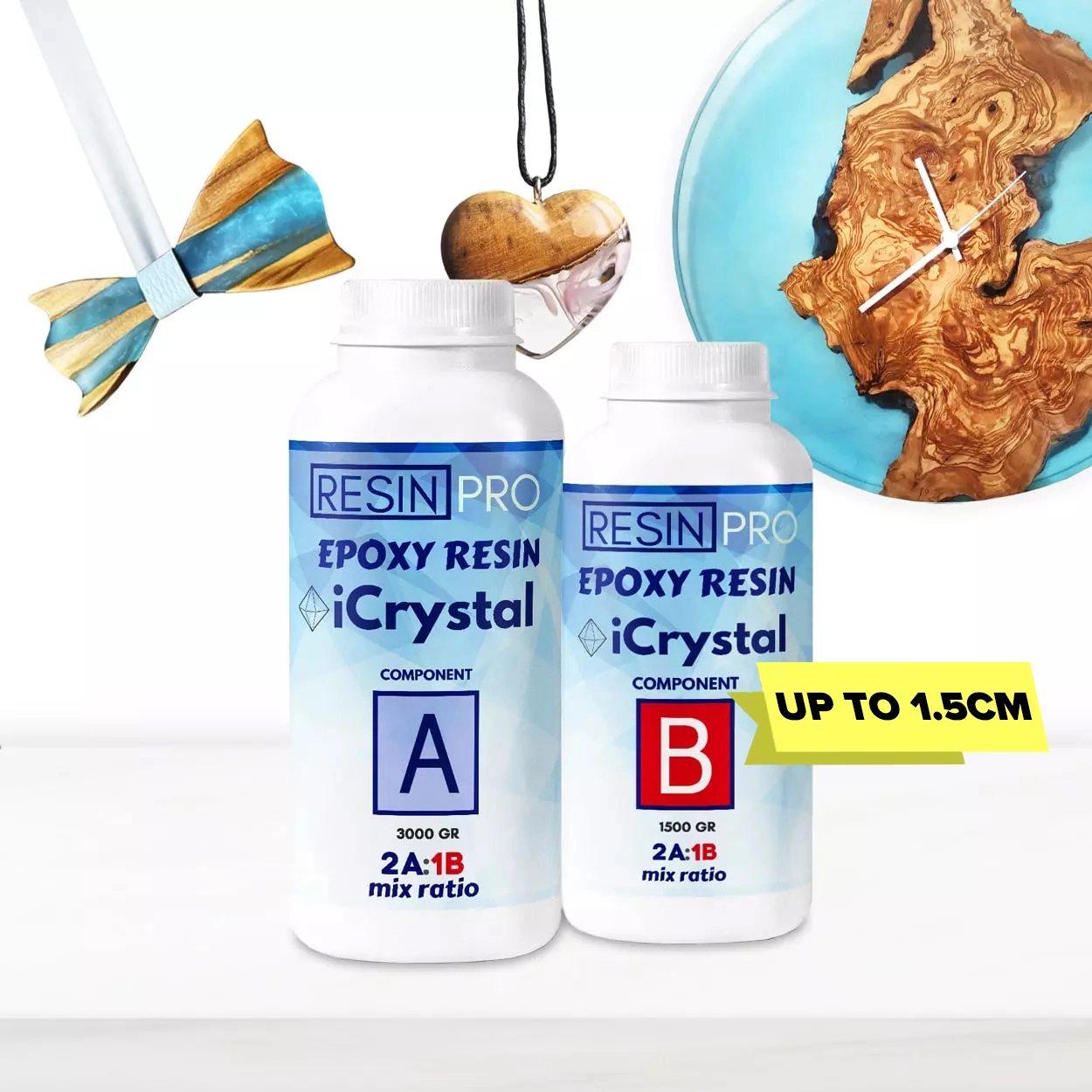 "Icrystal" – Clear Epoxy Resin – Odourless Formula – Up to 1.5cmPrice range: £11.65 through £954.85"Icrystal" epoxy resin is a clear, odourless product with high scratch resistance, designed for coatings and creative applications.
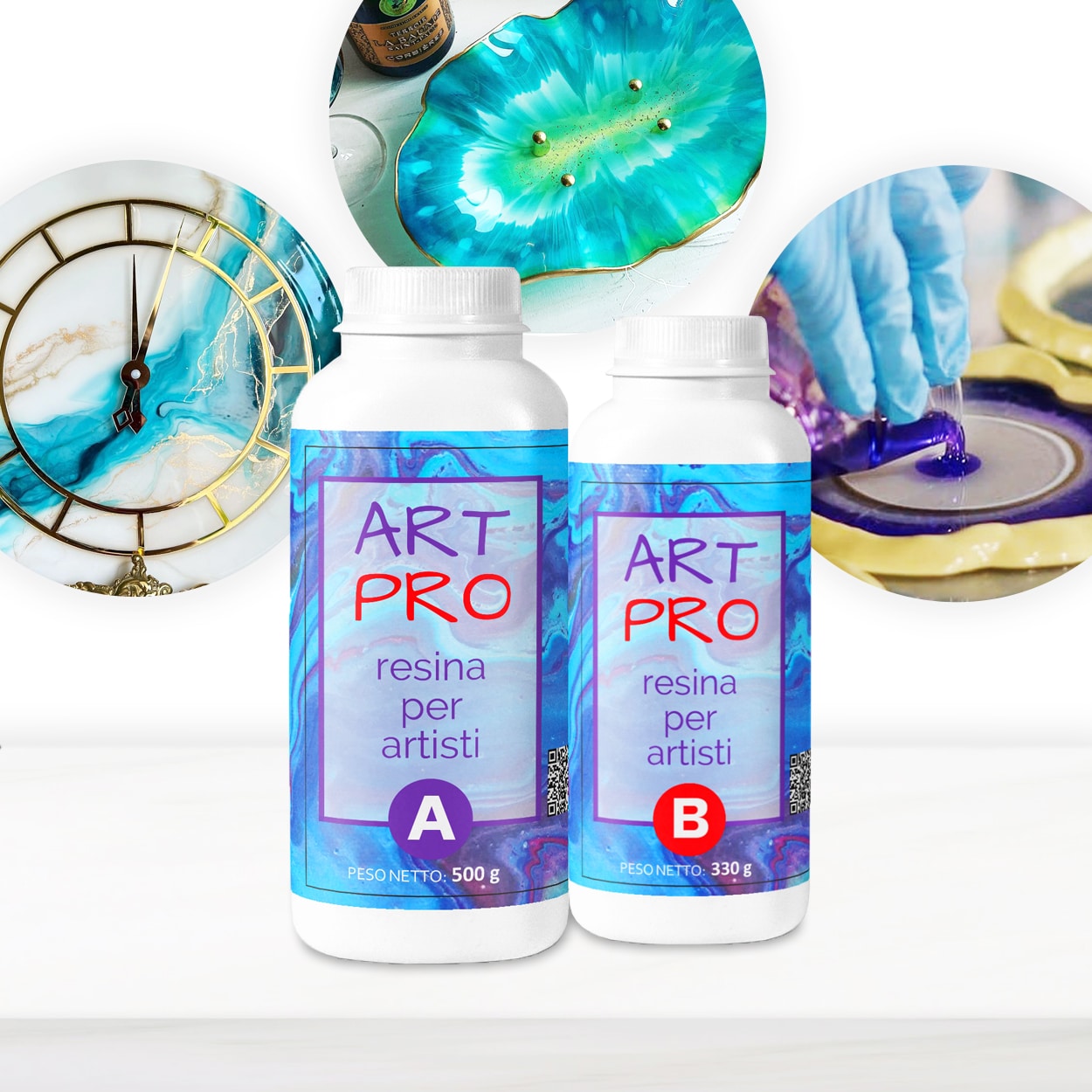 "Art Pro" – Clear Epoxy Resin for Artists and Surface CoatingPrice range: £31.15 through £388.85Art Pro is a clear epoxy resin designed for artists and surface coatings, offering durable, high-gloss finishes suitable for various decorative…
Frequently Asked Questions
Which resin should I use for very thick projects when it’s warm?
For thick projects over 5 cm, Epoxytable 10-Ten is engineered to handle deep pours and high workshop temperatures with a minimal risk of overheating.
Can I pour thick layers all at once if it is hot?
In hot workshops, it is safest to pour in multiple controlled layers, especially for large or heavy projects. Wait 6-8 hours between layers with deep pour products to prevent excessive heat build-up.
What is the maximum heat resistance of these resins?
All highlighted products, including Icrystal and EpoxyTable 5-Five, offer heat resistance up to 70°C, making them suitable for most indoor and seasonal workshop conditions in the UK.
How do I avoid bubbles and yellowing in warm environments?
Use resins with Super low viscosity such as Epoxytable 10-Ten and employ UV-protected options across the range. Work methodically, pour steadily, and keep the workspace free of direct sunlight to further minimise risks.
Which resin is best for art or coated decorative objects?
Can I use odourless resins in closed or less ventilated workshops?
Icrystal offers an odourless formula, making it more comfortable for use in spaces where airflow varies during warm months.
Is any special preparation needed for hot weather resin pours?
Aim for surface and air temperatures within product specifications, keep tools and resin cool until use, and pour only within advised thicknesses to control reaction heat properly.
What is the best product for rapid art coatings in warm studios?
Art Pro is perfect for quick turnaround decorative arts, thanks to its 12–24 hour cure time and adaptability to typical workshop temperatures.