 Free shipping on orders over £29,85
  Shipping Tracking!


 Google
 Facebook
← Back to What resin does Games Workshop use?
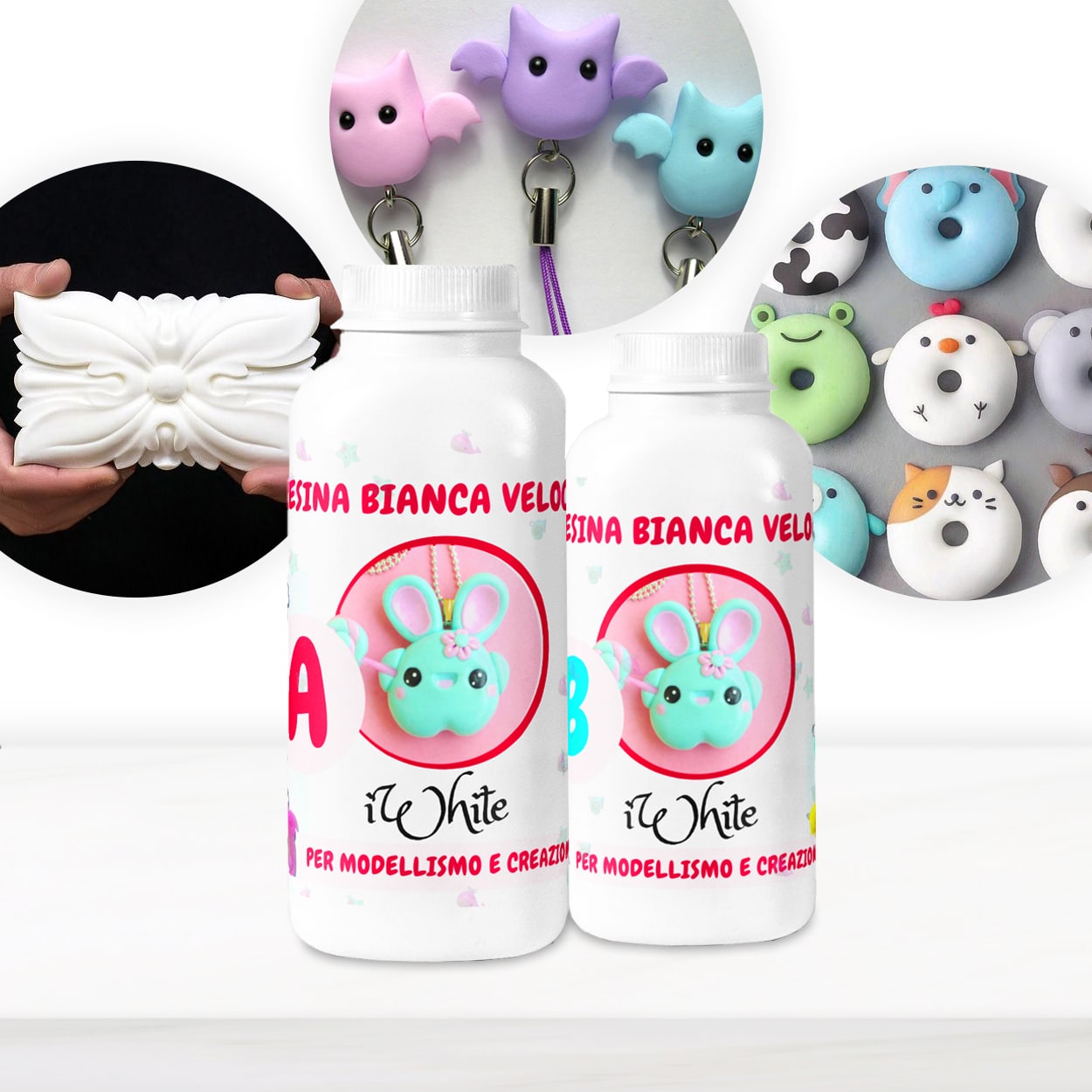
If you’re exploring resin materials for model making or craft projects, understanding the differences between polyurethane and epoxy resins is essential. Each has distinct benefits that suit particular creative and prototyping needs.
Key Differences Between Polyurethane and Epoxy Resins
Polyurethane resins are widely chosen for casting applications that require fast curing and high fluidity. They are ideal for capturing fine details in intricate moulds, making them highly suitable for prototyping, miniature creation, and professional model making. Polyurethane resins like IWhite set in around 30 minutes, enabling a quick turnaround for multiple castings.
Epoxy resins, on the other hand, are known for their clarity and glossy finish, often used in applications such as jewellery and surface coatings. Epoxies generally cure more slowly but provide a hard, attractive finish, making them popular for decorative projects where working time is advantageous.
Choosing the Right Resin for Your Project
When selecting a resin, consider your project’s requirements for curing speed, detail, strength, and finish. For rapid production and highly detailed models, polyurethane is typically the resin of choice. It’s easy to colour in liquid form and can be painted once fully cured. Products like Polyform are fast-setting, making them excellent for batch production of parts.
If you require a crystal-clear, UV-resistant, or glossy finish—such as in decorative or jewellery projects—epoxy resins like One-2-One are more suitable. Their simple 1:1 mixing ratio by volume offers ease of use for both beginners and experienced crafters.
When This Matters
The distinction between polyurethane and epoxy resins is especially important for hobbyists and professionals who need reliable results in fast prototyping, model creation, or decorative projects. A clear understanding will help you avoid mismatched expectations in terms of curing time, final appearance, and detail reproduction.
Related products
Related guides
Whether you’re creating game miniatures, prototypes, or decorative pieces, choosing the appropriate resin is key. Explore our full guide on what resin Games Workshop uses to discover more about selecting the right materials for your specific project.