 Free shipping on orders over £29,85
  Shipping Tracking!


 Google
 Facebook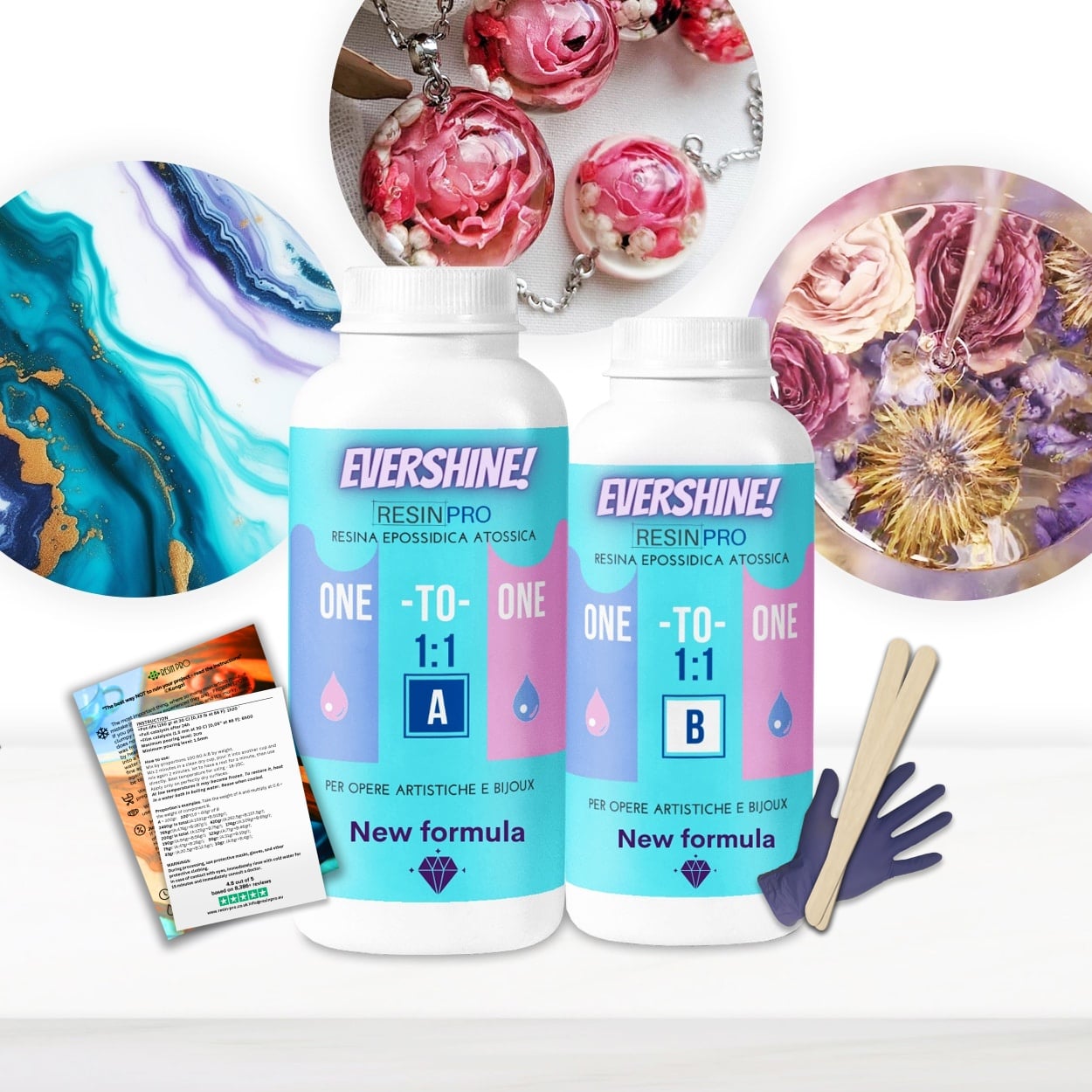

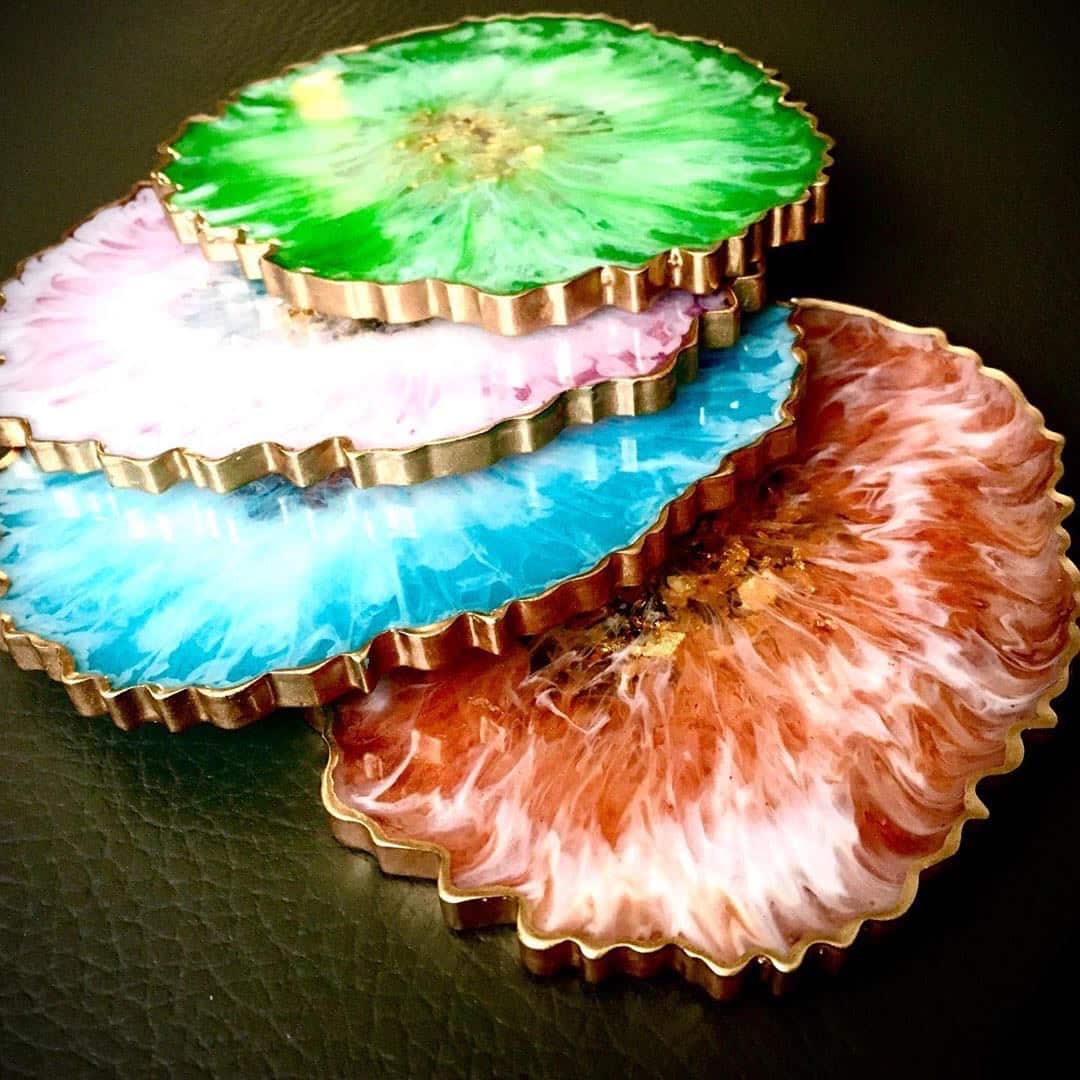
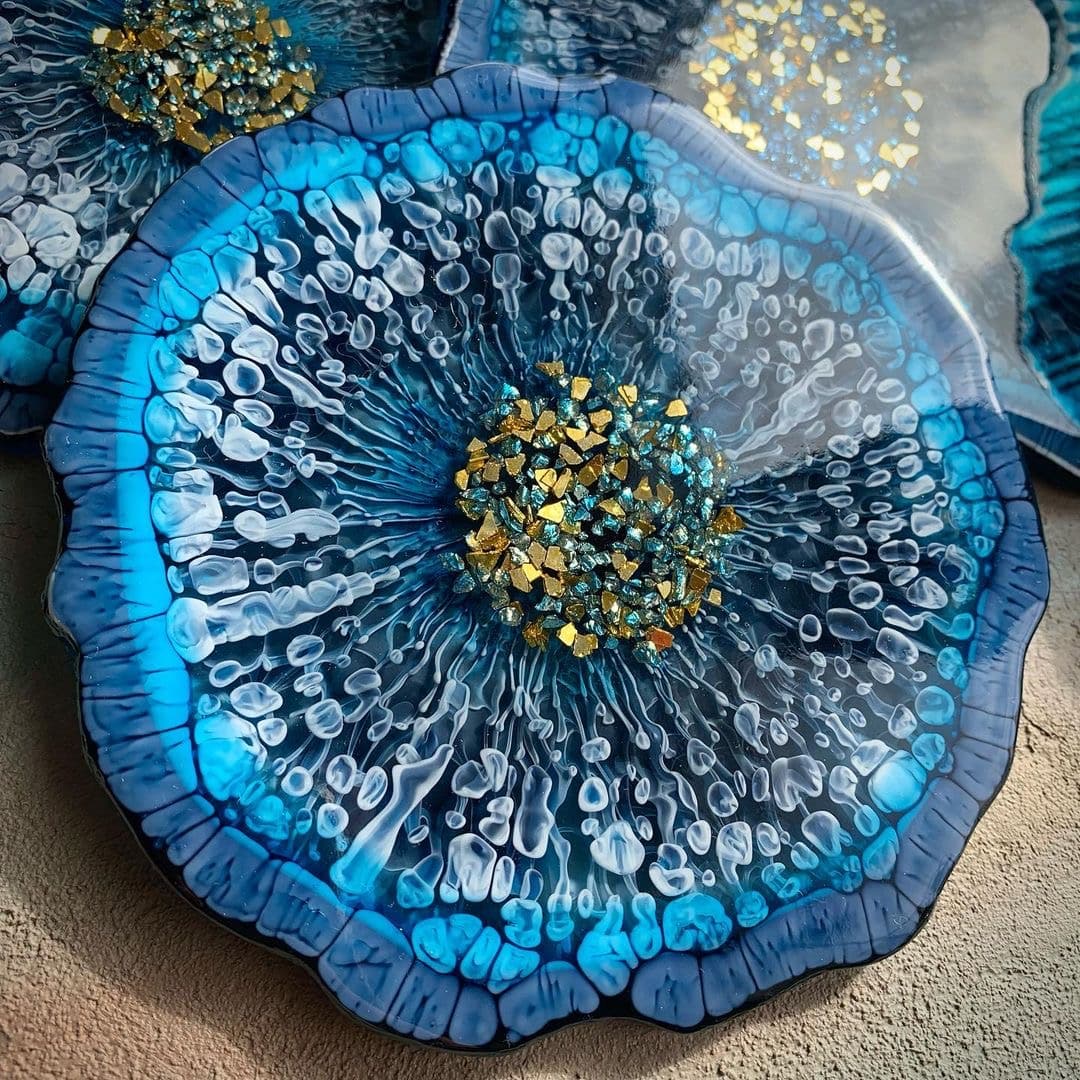
On sale
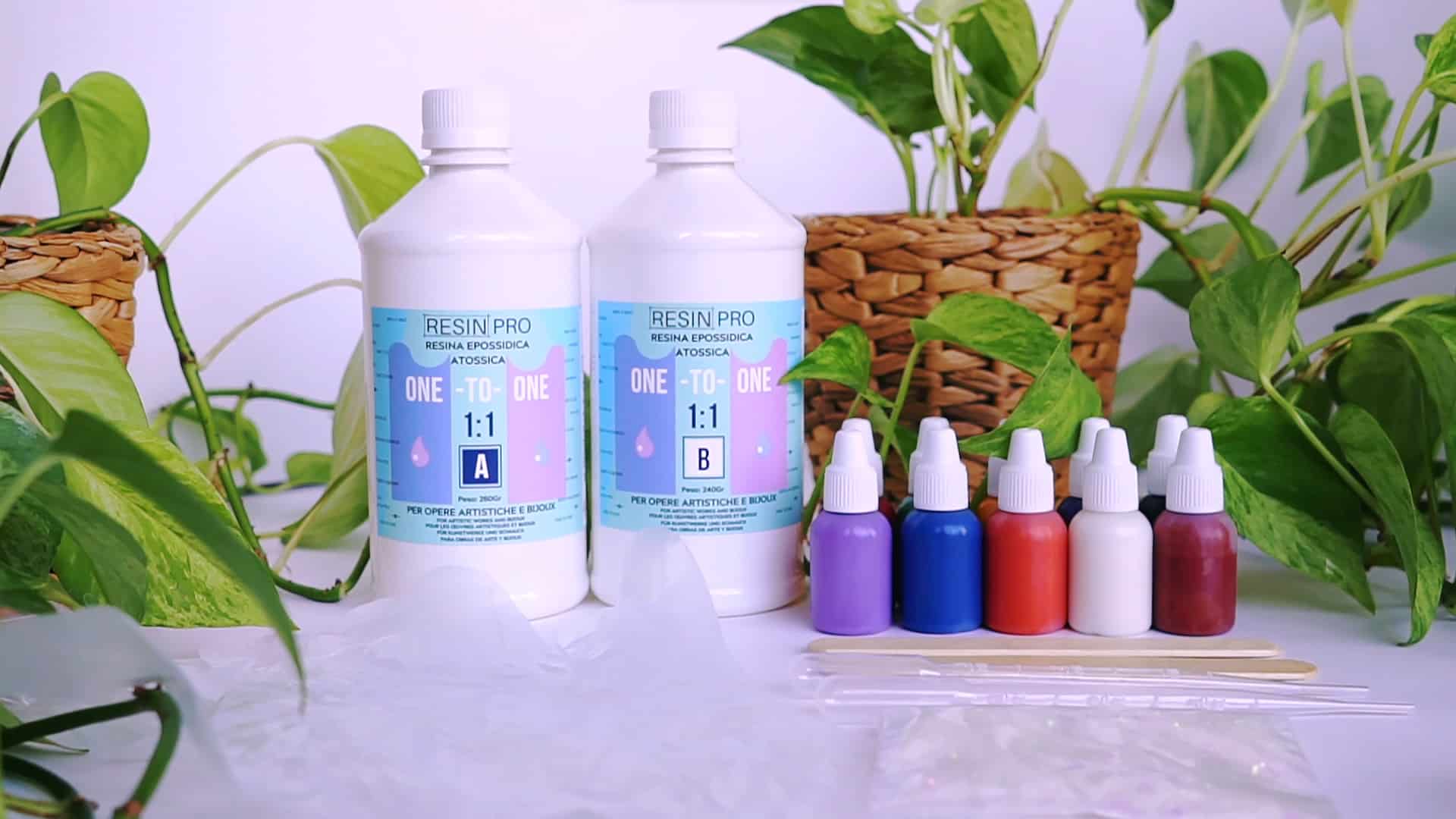
“One-2-One” – Epoxy Resin for Handcraft, 1:1 Mixing Ratio
 Available, ready for shipping
 Order now to receive your product between Tuesday 30 June and Wednesday 01 July.
 Shipping from £1.97 - Free for orders over £29.85
 Price range: £15.95 through £59.95
Mon, 29. Jun
Ordered
Mon, 29. Jun - Tue, 30. Jun
Order Shipped
Tue, 30. Jun - Wed, 1. Jul
Estimated delivery
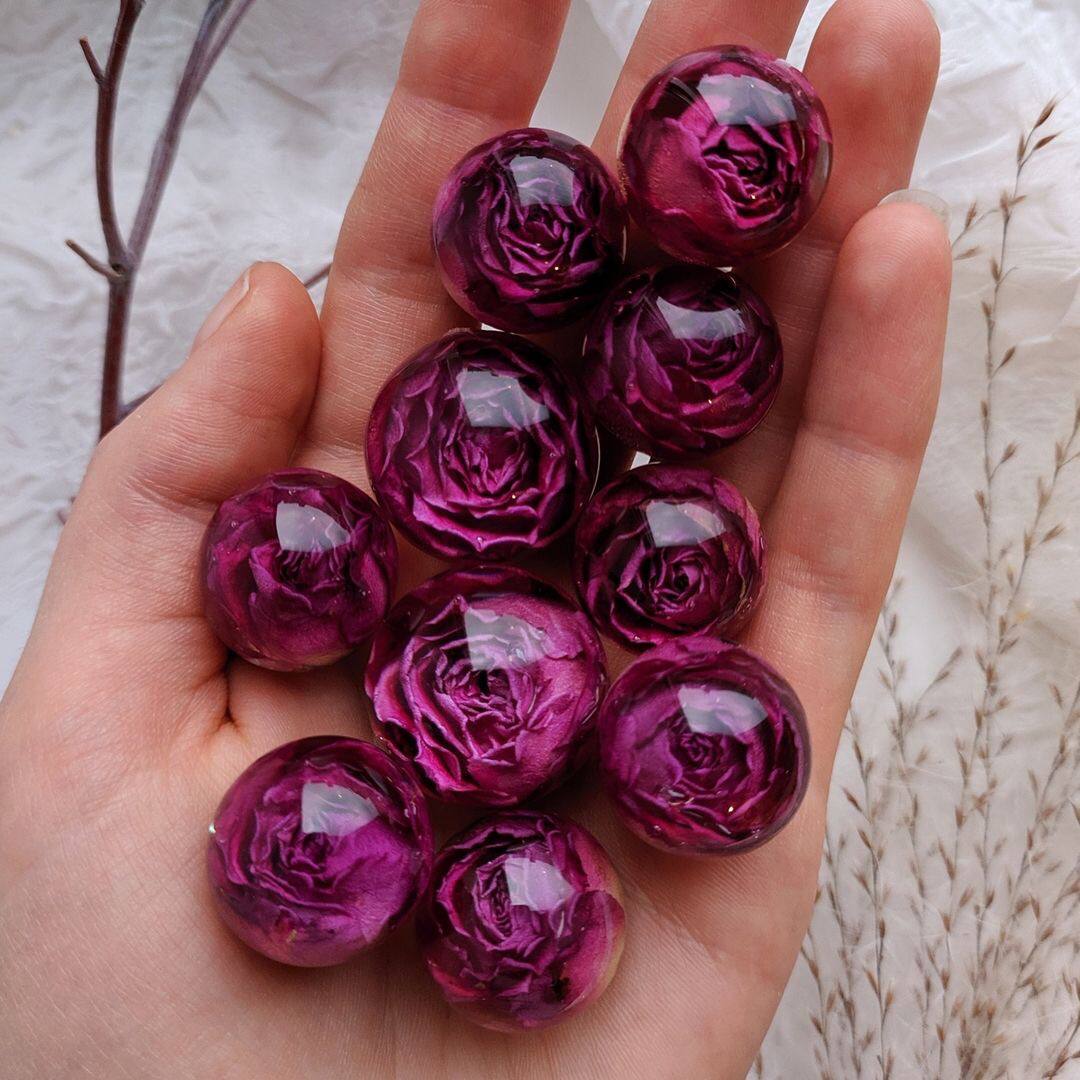
ONE–2–ONE epoxy resin is a high-quality, medium viscosity resin perfect for beginners and experienced crafters. Its easy 1:1 equal-parts (by volume) mixing ratio ensures error-free preparation for jewellery, cabochons, coatings, and other decorative projects.
- 🛡️ Non-toxic formulation for safe crafting
- ✨ Crystal clear, super-glossy finish with high transparency
- 🌞 UV filter providing excellent resistance to yellowing with a 10-year warranty
- 🔄 Durable against scratches and moisture, ideal for long-lasting creations
Description
Description
💥 About
Experience professional results with ONE–2–ONE epoxy resin for handcraft, a medium viscosity, non-toxic resin perfect for creative DIY, jewellery, and decorative projects. This resin is tailored for effortless 1:1 by volume mixing and superb clarity, making it an outstanding choice for resin crafters looking for reliability and ease. Whether for encapsulation, casting, or surface coating, this resin delivers high performance and beautiful, glossy finishes.
💡 Key Benefits
- Easy 1:1 by volume mixing ratio – Simplifies resin preparation for beginners and pros alike ⚖️
- Medium viscosity – Ideal handling for cabochons and detailed decorative work 🎨
- Highly transparent & super-glossy – Achieve crystal clear, polished results 🌟
- UV filter – Protects your creations from yellowing over time 🔒
- Cruelty free & vegan friendly – Formulated for peace of mind 🌱
☝🏽 Useful Information
- Includes gloves & full instructions – Everything you need for safe application
- Compatible uses – Excellent for encapsulating, coating, and casting artistic or decorative items
🎯 Who It’s For
- – Resin artists and crafters
- – Hobbyists and DIY enthusiasts
- – Jewellery makers and decorative artisans
Trust ONE–2–ONE for reliable, crystal-clear, and safe resin creations in all your artistic handcraft projects.
Technical data
Technical data
TECHNICAL DATA
“ONE-2-ONE” – Epoxy Resin For Handcraft:
- Mix ratio: 1:1 by volume; 100:90 by weight
- Pot-life: (150 gr at 30°C) [0,33 lb at 86 F]: 1h20 ′
- Viscosity of part A: 900 ± 120 mPa·s (20°C)
- Viscosity of part B: 400 ± 100 mPa·s (20°C)
- Demoulding time: 12-24h*
- Full curing time: 36-72h*
- Film catalysis (1 mm at 30°C): 12h
- Maximum pouring level: 1.5cm**
- Minimum pouring level: 1.5mm
- Heat resistance: up to 70°C
- Coverage 1kg: 100*60*0.15cm
- 1sqm consumption (1.5mm thickness): 5kg
* – it cures after about 24 hours and achieves a good hardness in 48h-72 hours (depending on catalysis temperature). If you wish to speed up the curing time, keep the casting close to any heat source (radiator or similar). This will halve the catalysis time.
** – may vary from the pouring`s conditions (please, read instruction).
If you have not enough experience, we insistly suggest to make a small test before working with large project.
Main features:
Easy-to-use 1:1 / High transparency / Excellent mechanical strength / Long working time / Glossy surface.
Applications:
Jewellery and castings in silicone moulds / Modelling / Artistic creations / Embeddings / Coatings up to 2cm.
Instruction
Instruction
HOW TO USE. MIX RATIO BASED ON VOLUME – 1:1
“Transparent” – Ultra Clear Multipurpose Epoxy Resin:
💪🏽 LET`S START! 💪🏽
We would like to pay your attention – We don`t recommend working at temperatures below of 20°C and over 28°C, avoiding humid environments (or surfaces) application (if you are not sure on the humidity, let the resin warm up the components before pouring).
If epoxy resin was storage at temperatures below of 20°C and became murky, please, warm your epoxy up before using to full transparency. More detailed, please, read below.
👉🏽 LET`S MIX! 👈🏽
THE PROPORTIONS ARE PRINTED ON THE BOTTLES/TANKS, PLEASE CHECK IT BEFORE USING.
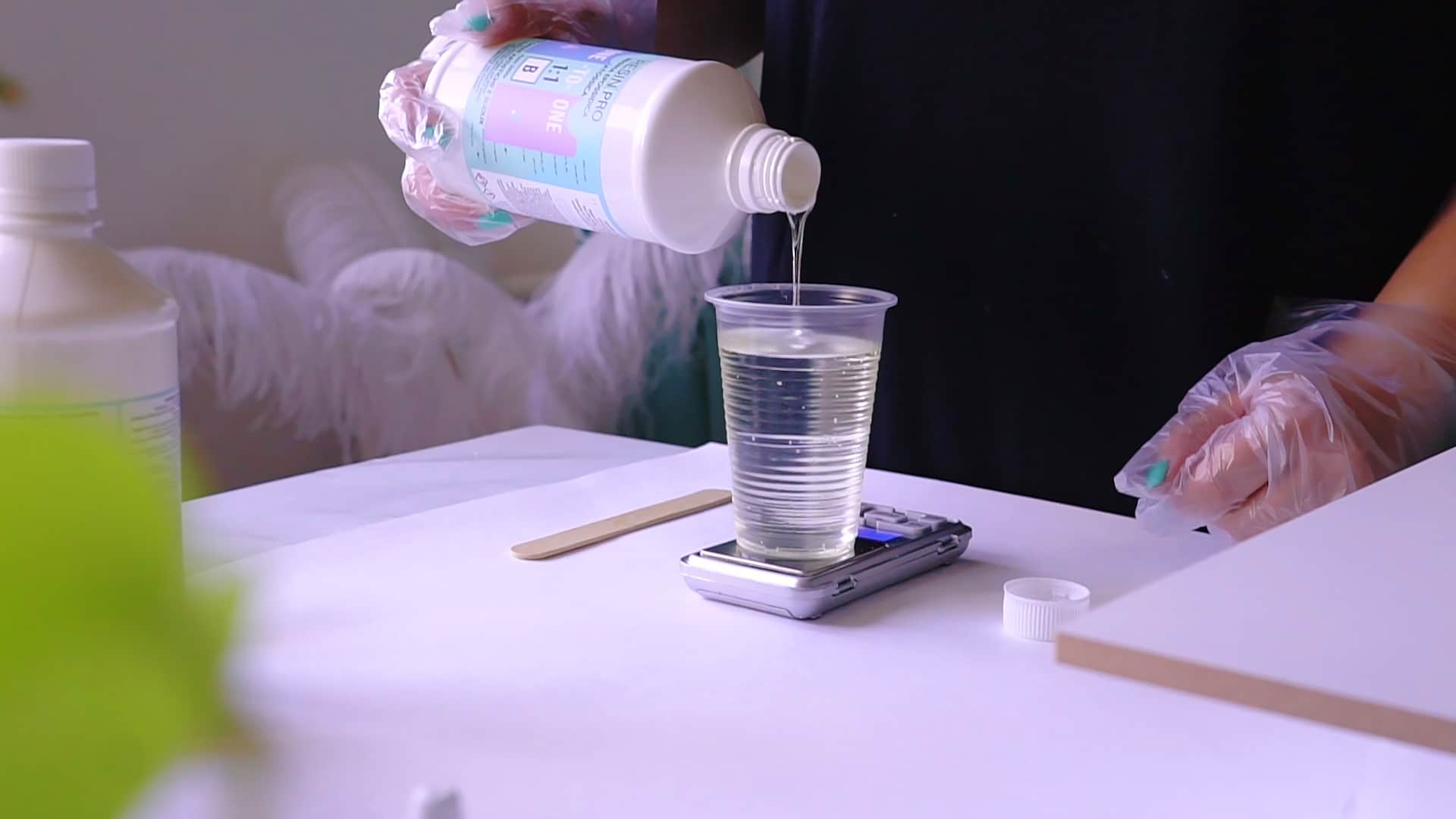
Being a two-component resin, you have 2 bottles at your disposal, one containing resin “A” and the other containing hardener “B”. You will need some electronic scales to weigh grams and a mixing container where you can combine the liquids.
How to calculate, how much hardener do you need?
Fore each volume of A you need equal volume of B. 10ml of A + 10ml of B. One cup of A + the same cup size of B, etc.
After an accurate dosage, the resin must be mixed irregularly (meaning, always in the same direction) for at least 5-8 minutes. This part is very important, because if it is mixed only for a few seconds, it will not be homogeneous at the molecular level, therefore will remain soft / opaque in some parts.
Mix evenly on the edges and bottom of the container. (Do not mix very quickly or forcefully because that would cause a lot of bubbles). We do not recommend using a mixer (of course, you can, but, please, not at high speeds!), as this leads to the formation of microbubbles, which will be difficult to remove. The carefully you mix – the less bubbles.
Remember, the quality of the future casting depends on a good mixing of the two components!
Important! Try to make the mix carefully, so that the smallest fractions of air are not formed in the resin, because visible bubbles will easily disappear from the surface naturally, and micro fractions of air are often practically invisible, but during the curing and heating of the epoxy mixture, the air in them expands and after complete curing, bubbles can be visible in the casting. This can and should be avoided if you do the kneading correctly.
How to remove the bubbles?
Although degassing (vacuum) is necessary to eliminate 100% of the bubbles, there are some tricks that can help you minimize the presence of bubbles during the creations.
1) Mix the resin longer but in a more delicate and uniform way.
2) Before mixing, heat component A (in the sun or using a radiator), so that it becomes more liquid and the bubbles rise more easily.
3) Leave it to rest for a few minutes to release the air bubbles.
4) Once launched, use a heat source (thermal pistol or fire) to burst the bubbles on the surface.
👋🏼 LET`S COLOUR! 👋🏼
Practically everything, including powder and metallic pigments. As long as the dyes are “dry” (for example, dust or sands) there are no problems (as long as they are perfectly dry), when, instead, you want to add pastel or liquid colours, make sure they are compatible with epoxy resins. If they are not compatible (for example enamels, tempera, acrylics) only a few drops can be added, since an excessive dosage could compromise the mechanics of the resin and its brightness (for example making it soft or sticky). There is also a “gold rule” – no more than 5% from mix weight.
Remember, it`s important to avoid contact of epoxy resin with water! From the ingress of water into the resin, it may become cloudy or not solidify! And if the hardener has been stored for a long time with a loosely twisted lid, then it can absorb moisture and it condenses in the form of microbubbles in the thickness of the casting during the curing process.
👍🏽 WHAT`S NEXT? 👍🏽
After pouring epoxy into your formwork be ensured in the “sterility” of the room so that dust and dirt will not get into the epoxy.
Important! We don`t recommend covering the filling with plywood or something dense, because this will disrupt the heat sink during the solidification of the resin!)
Remove micro-bubbles stuck in the surface layer using a hair dryer or a manual gas burner. We also recommend that you do not overheat the epoxy filling with a burner or a hair dryer, because this can cause overheating and boiling of the resin.
The full curing time of the One-2-One resin is from 36 to 72 hours (depending on the temperature and humidity in the workshop. The lower the temperature and the higher the humidity, the longer the curing time of the resin. Basically it cures after about 24 hours and achieves a good hardness in 48h-72 hours (depending on catalysis temperature). If you wish to speed up the curing time, keep the casting close to any heat source (radiator or similar). This will halve the catalysis time.
❄️ FROZEN EPOXY ❄️
Epoxy can become frozen under 20C. PLEASE! DON`T USE FROZEN EPOXY. This may affect the result.
There is no excuse that you hold your epoxy inside a warm room, the epoxy could be frozen much before, and only proper defrosting will return the lost transparency and liquidity.
How to understand why your epoxy was frozen? The component A is murky or solid, like frozen water. Don`t worry, there is no need to dispose of your epoxy and run to leave a bad review. It`s okay. You need to do only one thing – to defrost it, warming component A to 50-70 ° C. We usually put the closed tank inside the sink with very hot water and leave it for 20-30 minutes. The problem is next – the more epoxy inside the tank, the more difficult to warm it properly, so just repeat the procedure. If it doesn`t help, just try again, because we sold thousands of tons of the epoxy resin and every time the problem was sorted out by waiting a little bit longer in hot water (of course with the closed lid). Yes, we totally understand that it causes excessive movements, but it`s natural and it could happen with any other epoxy.
Of course, after defrosting you need to cool the component A to room temperature before using.
🔥 HOW TO AVOID OVERHEATING? 🔥
Maximum pouring level: 1.5cm. It may vary from the full weight of poured epoxy, sizes of project and temperature when you pour. Not following instructions may cause overheating.
If you need to make a larger layer, just pour in several steps, waiting 8-10h the first time; 10-12h in the second time and 12+h the third time).
When creating a coating with epoxy resin, do not fill the mixture with a thickness of less than 1.5-2 mm, otherwise, after curing, there is a chance of shrinkage with the formation of “craters” – small depressions on all surfaces of the fill.
🌊 HOW DO I ELIMINATE SURFACE OPACITIES OR SMALL WAVES FORMED AS THEY SOLIDIFY? 🌊
These surface opacities are the result of the interaction with environmental humidity, which creates a patina on the surface of the cast. At first it is not obvious, but as soon as it starts to solidify, in some places you can notice opaque halos and even “wrinkles”.
There are different strategies to avoid this:
1. Work in low humidity (dehumidified) conditions or in a heated environment.
2. Heat the 2 components before mixing (for example, holding them over a radiator).
3. Mix the resin with the hardener and apply it only when it starts to heat up (so that the reaction begins while it is still in the container). This operation is essential, but requires minimal attention. It should be checked every 5-6 minutes and as soon as it reaches 40 ° C (when it’s warmer than our hand) it can be applied. Otherwise, it could start solidifying in the container!
4. It is advisable not to apply during the night or when it is raining (since the humidity increases).
5. Do not apply on surfaces that still contain humidity, like on fresh cement or on non-dried wood.
– If due to humidity, the resin is not glossy, no problem: just pour a new layer over (following the instructions above) and it will become perfectly transparent and regular.
If you`re going to embed something in your project while curing, do not leave it overnight, because it always becomes solid much faster than you could expect (curing times vary depending on temperature, mixing time, volume and etc). We always advise pouring in the morning then swirling through the day.
WARNINGS:
During processing, use protective masks, gloves, and other protective clothing.
In case of contact with eyes, immediately rinse with cold water for 15 minutes and immediately consult a doctor.
Epoxy resin is a complicated technical product, but if you follow the basic rules, you will get wonderful results! If you need any assistance, just call us – 07596 850968 or email us – [email protected]
With best regards, RESIN PRO TEAM😊
Follow our socials!
Check and tag our social media for inspiration! We are always happy to publish your art-work –
VERY USEFUL ARTICLES FOR THIS EPOXY TYPE:
👉🏽 HOW TO USE EPOXY RESIN: TRICKS AND GENERAL GUIDE
👉🏽 EPOXY RESIN: PROBLEMS AND SOLUTIONS – THE 12 MOST COMMON PROBLEMS
👉🏽 3 IMPORTANT FEATURES YOU MUST KNOW BEFORE WORKING WITH RESIN
👉🏽 HOW TO BUILD A WOOD AND RESIN TABLE
👉🏽 PLANNING AND CREATION OF LARGE RESIN TABLES – MAIN ISSUES, GUIDELINES AND PRACTICAL ADVICE
👉🏽 HOW TO MAKE A RESIN AND WOOD RIVER TABLE AND COUNTERTOP (LIVE EDGE)
👉🏽 HOW TO BUILD A WOOD AND RESIN TABLE
👉🏽 HOW TO POLISH YOUR PROJECT PROPERLY
Videos
Videos
How to fix a cracked wooden sphere with epoxy resin
Cloudy / Frozen epoxy. How to restore transparency to resin?
Reviews
Reviews
COD:
one_to-one_50023