 Free shipping on orders over £29,85
  Shipping Tracking!


 Google
 Facebook
How long do I have to wait before sanding epoxy resin?
Guidance on sanding times for flawless epoxy resin results


For makers, artists, and professionals, knowing how long to wait before sanding epoxy resin can mean the difference between a smooth, scratch-free finish and a ruined surface. ResinPro offers a comprehensive range of epoxy products suitable for deep pours, creative art, jewellery, 3D prints, and certified food-contact pieces. Each resin type has its own precise curing times when it becomes hard enough for safe sanding—for both beauty and durability you can rely on.
This page compares leading top sellers and quick-cure options, highlighting their readiness for sanding so your workflow stays smooth from pour to polish. Always check the manufacturer’s recommended sanding times and use the right resin for your project’s requirements to achieve gallery-quality results.
Epoxy Resin Comparison: Sanding Readiness by Product
Each ResinPro solution offers different working, demould, and curing times that directly relate to when sanding can commence. Here’s a concise overview to help you make the right choice and finish your resin project with confidence:
- “Icrystal” – Clear Epoxy Resin – Odourless Formula – Up to 1.5cm: Demould from 10 hours, full cure 24 hours. Sanding is safest after 24 hours for a durable, glossy finish—Wait for full resin cure before sanding surfaces.
- “Art Pro Deluxe” – Ultra-High Viscosity Epoxy Resin for Artists: Initial cure in 10–12 hours. Projects like trays or coasters can usually have surface sanding after this period.
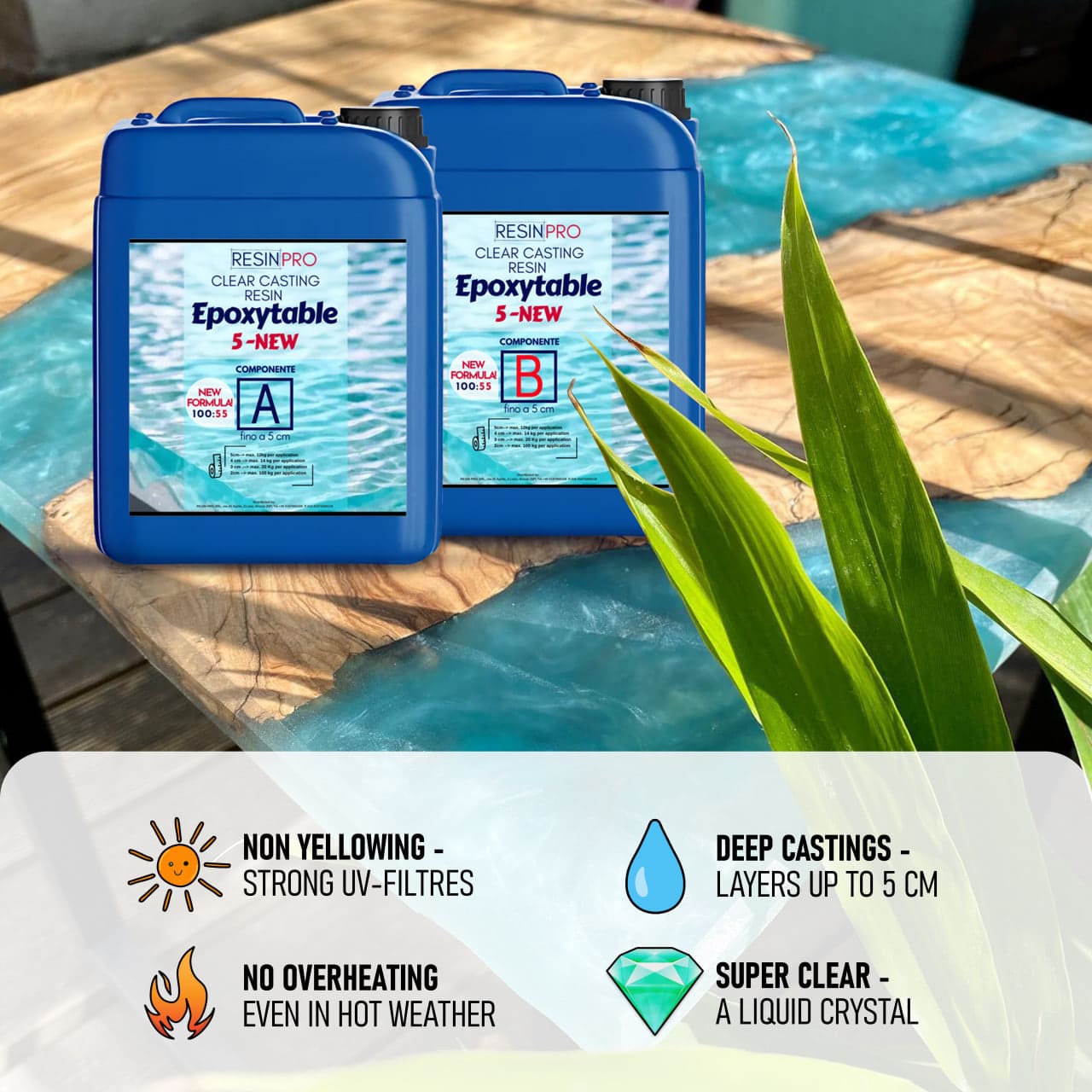
- “EpoxyTable 5-Five” – Deep Pour Epoxy Resin for Tables and Large Projects – Up to 5cm: Cured for sanding after a long working window, especially on thick pours—patience is important for a scratch-free outcome.
- “ICreation” – Fast Epoxy Resin, 6h Demoulding, Transparent Gloss Finish: 6-hour fast demoulding and a 12-hour full cure make this resin ideal for time-sensitive jewellery or small craft projects—Faster curing resins support quicker sanding schedules.
- “EpoxyFood” – Certified Clear Food Contact Epoxy Resin for Coating: Sand only after full cure at 24–48 hours, especially if using for food-safe items—Certified food-safe resins require full cure before use.
- “3D Finish” – Fast Coating Epoxy Resin for 3D Prints: Handles sanding and polishing as quickly as 4 hours after application at 20°C, making it perfect for rapid prototyping—Premature sanding can damage your epoxy project.
Choose a resin with the curing speed suited to your project needs to streamline your workflow and achieve superior results.

How curing time affects end results
Wait for full resin cure before sanding surfaces to avoid soft patches and dull spots. The final clarity and scratch resistance of your resin depends on letting it harden as per specification, like with Icrystal, which develops its mechanical properties after full cure. Rushing this process can permanently mar even expertly poured and levelled projects.
Why Wait to Sand Resin: The Importance of Curing
Attempting to sand epoxy resin before it is properly cured leads to a tacky finish that clogs abrasives and may cause surface defects. Always check the manufacturer’s recommended sanding times, as resins like Art Pro Deluxe cure rapidly, while deep pours like EpoxyTable 5-Five demand patience. Factors influencing sanding readiness include ambient temperature, pour thickness, humidity, and the specific formulation (e.g., odourless or food-safe blends).
Icrystal Transparent Epoxy Resin features a self-levelling, odourless finish for beginners and professionals, but full scratch resistance only develops after the recommended cure period. Meanwhile, 3D Finish Fast Coating Epoxy Resin is ideal for hobbyists who need rapid sanding and painting results on 3D printed parts.
Recommended Sanding Practices by Resin Type
Use the right resin for your specific project thickness and follow these key sanding tips:
- If using Icrystal, wait until at least 24 hours for full cure. Its scratch-resistant surface is best sanded with fine abrasives for tabletops or decorative coatings.
- For fast art and jewellery, ICreation Fast Epoxy Resin enables sanding after a 6–12 hour window, helping speed up decorative projects without compromising clarity.
- EpoxyTable 5-Five supports large, deep pours up to 5cm. Ensure that the resin has set solid throughout the casting to prevent smearing or scratching during sanding; this is particularly critical for thick surfaces.
- Crafters working with food-contact coatings should refer to EpoxyFood, making sure projects fully cure for 24–48 hours before finishing to guarantee food safety and a beautiful gloss.
- Art Pro Deluxe and 3D Finish both allow for sanding within 4–12 hours, but only after checking the surface is non-tacky to touch and tool.
With patience and product knowledge, every resin project—be it a table top, coaster, art panel, or 3D prototype—achieves a professional, glass-like surface ready for further finishing or creative embellishment.
Tips for checking resin readiness
Gently test by pressing a fingernail against a hidden edge; if it leaves a mark or feels rubbery, wait longer before proceeding. Always check the manufacturer’s recommended sanding times, as each resin—be it coarse art, jewellery, or deep pour—has individual requirements. Remember, Premature sanding can damage your epoxy project irreversibly and may require a full re-coat for recovery.
Choosing the Right Resin for Your Sanding Timeline
At ResinPro, flexibility matters. If you value speed, the ICreation Fast Epoxy Resin and 3D Finish Fast Coating Epoxy Resin make rapid turnaround possible, ideal for jewellery and iterative 3D work. For luxury statement pieces, the robust EpoxyTable 5-Five and crystal-clear Icrystal grant perfect resilience—designed for polishing after a full cure. When making food contact items, EpoxyFood combines visual clarity with certified safety so you can sand and finish with full peace of mind.
See our specialist ranges, including Multipurpose epoxy resins, Resin for Jewellery, resins-for-tables-and-surfaces-finishes, and Resins for Pour Paint and Accessories, for more guidance or browse all top sellers.
- "EpoxyTable 5-Five" – Deep Pour Epoxy Resin for Tables and Large Projects – Up to 5cmPrice range: £16.85 through £1,099.85EpoxyTable 5-Five is designed for deep pour projects up to 5cm, suitable for tables and large crafts under the theme of sanding epoxy resin timing.
 "ICreation" – Fast Epoxy Resin, 6h Demoulding, Transparent Gloss FinishPrice range: £19.40 through £52.85ICREATION fast epoxy resin offers a transparent, glossy finish with a 6-hour demoulding time suitable for jewellery and decorative crafts.
 "Icrystal" – Clear Epoxy Resin – Odourless Formula – Up to 1.5cmPrice range: £11.65 through £954.85"Icrystal" Clear Epoxy Resin offers high transparency and scratch resistance, suited for table surfaces and general coating projects.
 "Art Pro Deluxe" – Ultra-High Viscosity Epoxy Resin for ArtistsPrice range: £33.85 through £287.85"Art Pro Deluxe" epoxy resin offers ultra-high viscosity for precise artistic control and a crystal-clear, scratch-resistant surface.
 "EpoxyFood" – Certified Clear Food Contact Epoxy Resin for CoatingOriginal price was: £39.00.£32.85Current price is: £32.85."EpoxyFood" is a certified food-safe transparent epoxy resin designed for coating kitchenware with a clear, glossy finish.
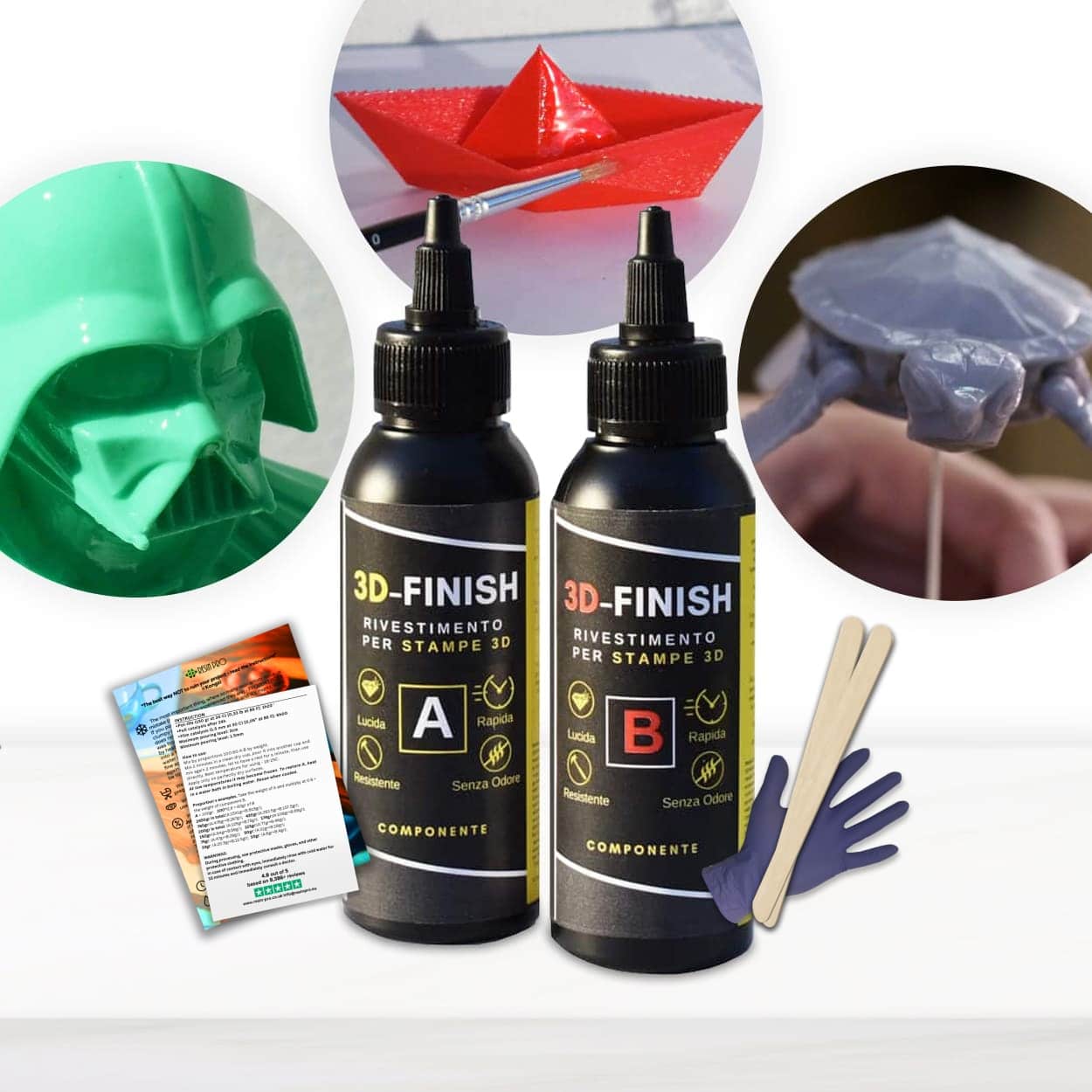 "3D Finish" – Fast Coating Epoxy Resin for 3D PrintsPrice range: £12.85 through £18.85"3D Finish" offers a fast-curing, non-drip coating for 3D prints that preserves detail and enhances durability.
Frequently Asked Questions
How long should I wait before sanding a transparent or odourless epoxy resin?
With "Icrystal" – Clear Epoxy Resin, you should wait until the full cure at 24 hours—demould from 10 hours, with sanding recommended after the resin is fully set for optimal gloss and scratch resistance.
Can I sand my resin as soon as it feels dry to the touch?
What is the quickest ResinPro product for sanding after application?
Does pour thickness affect sanding time for deep casting resins?
Is it safe to sand food-contact epoxy before it is fully cured?
What are the key risks if I sand resin too soon?
Sanding before the full cure may result in surface scratches, clogging of sanding material, and uneven finishes. Always let your resin reach its full recommended hardness for uninterrupted sanding and professional results.