 Free shipping on orders over £29,85
  Shipping Tracking!


 Google
 Facebook
← Back to What is epoxy primer used for?
Growing environmental awareness is driving demand for greener construction materials, including epoxy primers. In the UK, eco-friendly epoxy primers are increasingly available, combining effective performance with a reduced environmental impact.
What Makes an Epoxy Primer Eco-Friendly?
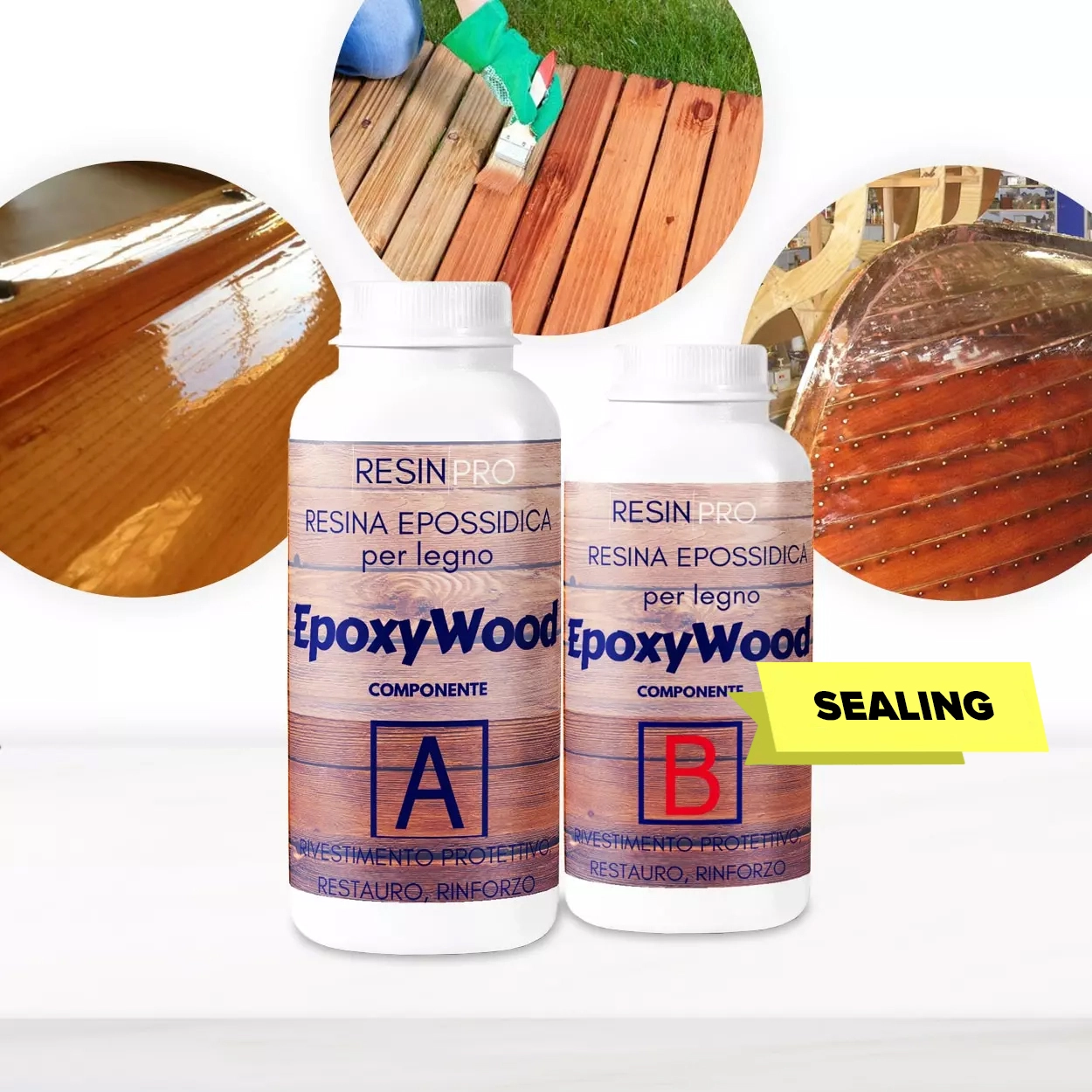
Eco-friendly epoxy primers are distinguished by formulations designed to minimise environmental impact. They often use solvent-free bases and avoid harsh chemicals or harmful additives. Many options are also vegan-friendly and cruelty-free, supporting ethical and sustainable practices. A prominent example is EpoxyWood, which uses a solvent-free, vegan base suitable for wood restoration and marine use.
Choosing and Using Greener Epoxy Primers
When selecting an eco-conscious epoxy primer, look for water-based or low-odour formulas, as these indicate reduced use of volatile organic compounds (VOCs). Epoxyprimer is a water-based, odourless product, making it safer for indoor environments and minimising fumes in your workspace. For wood restoration, a solvent-free, deeply penetrating primer like EpoxyWood provides not only environmental benefits but also reliable moisture resistance and reinforcement. Always ensure proper surface preparation and follow application instructions for the best results.
When Eco Credentials Matter Most
- If you are working in enclosed or domestic spaces, or where health and air quality are priorities.
- For environmentally certified projects or renovations aiming to minimise the ecological footprint.
- When seeking cruelty-free or vegan solutions that align with broader sustainability values.
Related products
Related guides
As demand for sustainable building solutions grows, eco-friendly epoxy primers offer an effective alternative for those seeking to reduce their environmental impact without compromising on performance. To explore more ways epoxy primers can improve your projects, visit our main guide on what epoxy primer is used for.