 Free shipping on orders over £29,85
  Shipping Tracking!


 Google
 Facebook
← Back to Which resin is most suitable for jewellery?
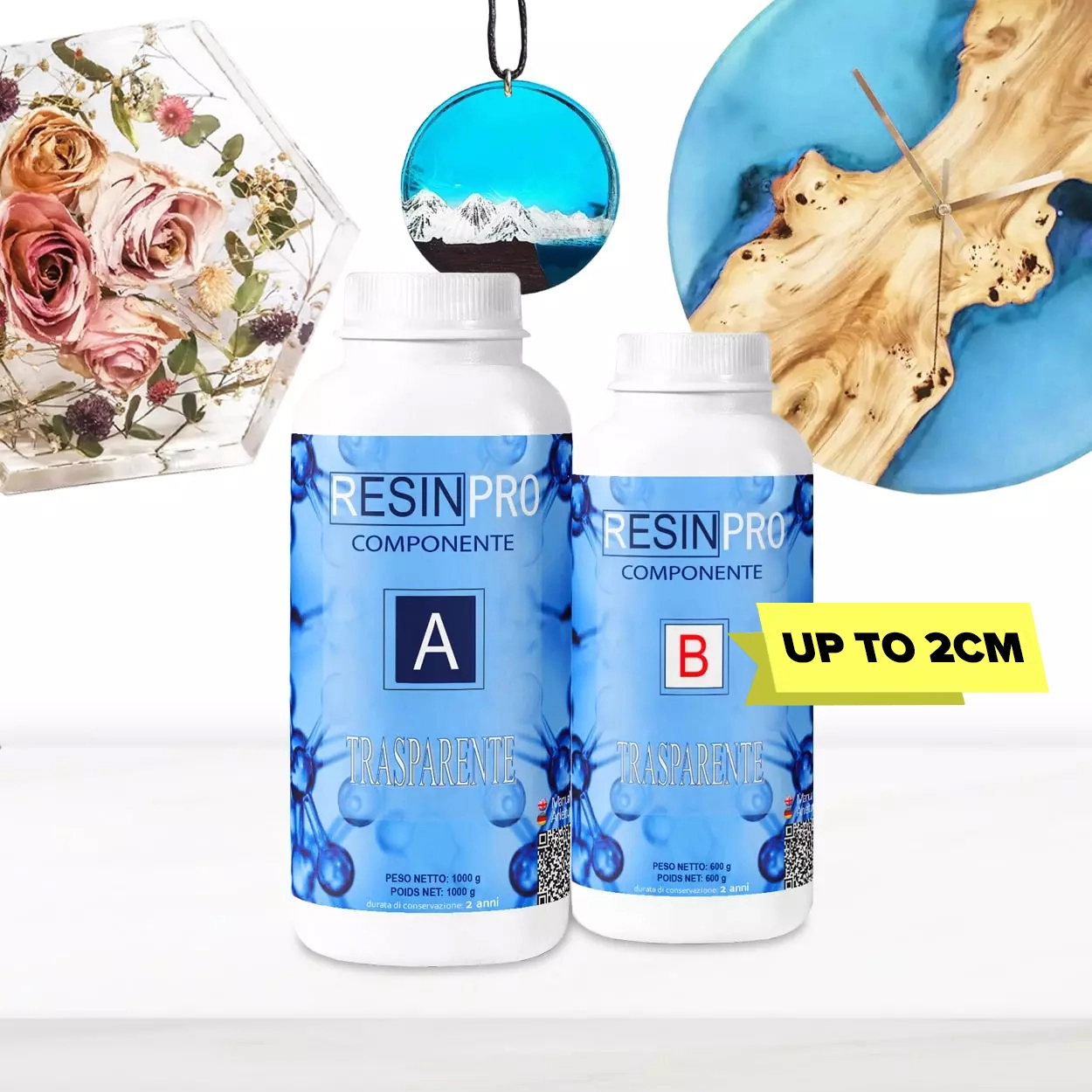
When starting out in resin jewellery making, the choice between casting resin and art resin can significantly influence your results. Understanding how these resins behave helps ensure you select the right material for your project.
Core Differences: Pour Depth and Viscosity
Casting resin, such as the “Trasparente” epoxy, is designed for deeper pours—typically up to 2 cm in a single layer. This makes it highly suitable for moulds and larger cabochons. It has a low viscosity, meaning it flows freely and minimises the risk of bubbles, ensuring a clear finish even in chunky pieces.
Art resin, on the other hand, is generally formulated for shallow pours and coatings—usually up to 0.5 cm thick. It’s ideal for surface decoration, doming, or layers that don’t need depth, but may not cure properly if poured too thickly.
Choosing the Right Resin for Your Jewellery
If your jewellery involves embedding objects, making pendants, or casting transparent stones, a dedicated casting resin is the wiser option. Its anti-yellowing properties and bubble release are tailored for clarity and durability at greater depths. For flat-backed bezels or decorative coatings, opt for art resin to achieve a smooth, glossy finish without the need for significant thickness.
- Use casting resin for layered, thicker pieces or when encapsulating items.
- Choose art resin for surface coatings, painting, or finishing touches.
When This Matters Most
Selecting the correct resin becomes crucial when your piece needs to be strong, defect-free, and crystal clear—especially for sentimental jewellery such as memorial keepsakes or intricate custom projects. Using an unsuitable resin may result in excessive bubbles, uneven curing, or yellowing over time.
Related products
Related guides
Picking between casting and art resin shapes the look and longevity of your jewellery. For further insights and comprehensive resin guidance, explore our hub on which resin is most suitable for jewellery.