 Free shipping on orders over £29,85
  Shipping Tracking!


 Google
 Facebook
← Back to At what temperature should epoxy resin be dried?
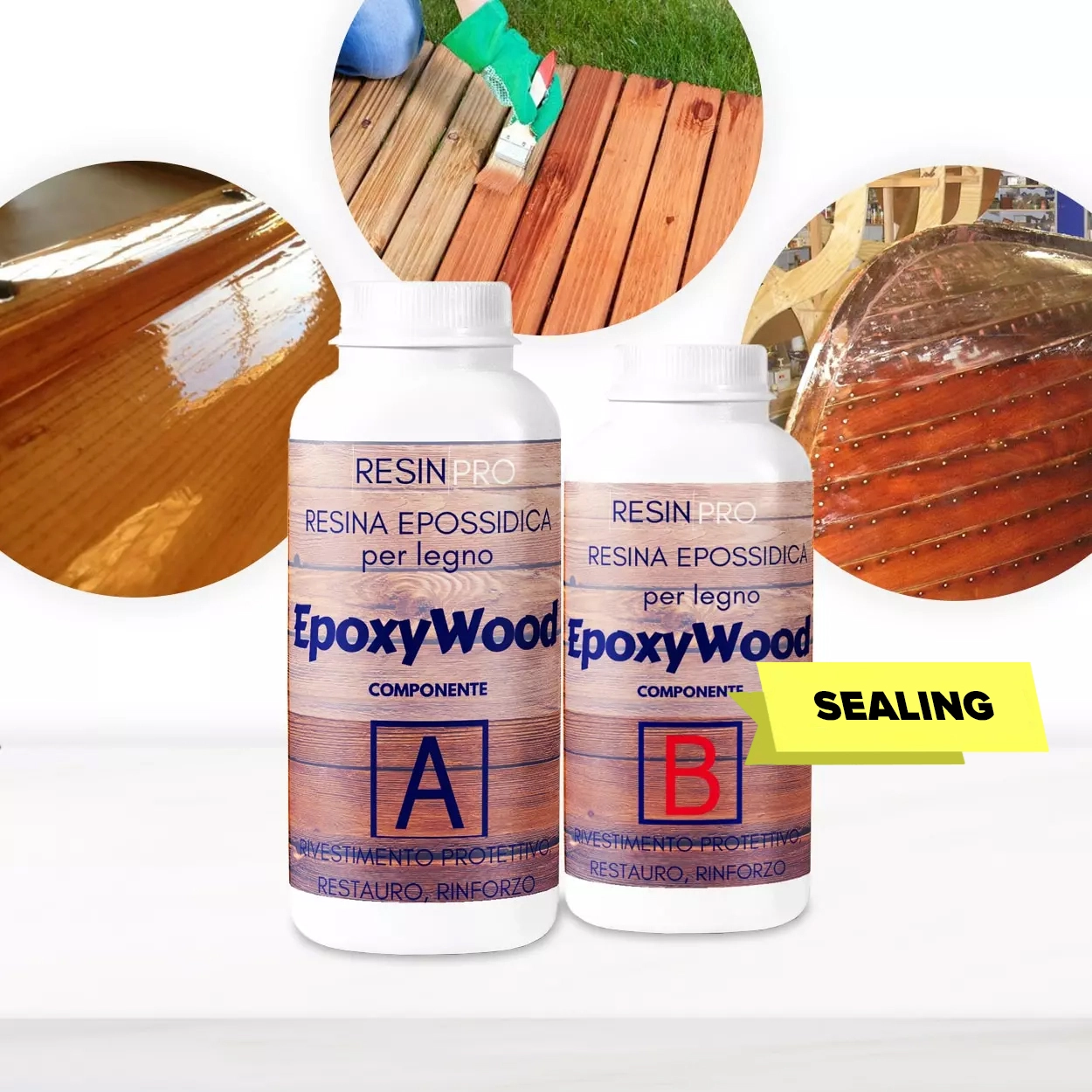
Restoring wood with epoxy resin breathes new life into aged, weathered, or damaged timber by protecting and reinforcing the structure from within. This process is ideal for both interior and exterior wooden surfaces, making it a versatile solution for repairs or preservation.
Why Choose Epoxy Resin for Wood Restoration?
Epoxy resin, particularly low-viscosity types made specifically for timber, offers deep penetration into wood fibres. By filling pores and minor cracks, it not only reinforces the internal structure but also creates a moisture-resistant, waterproof barrier. This is especially valuable for outdoor furniture, boat hulls, beams, and other timber exposed to changing conditions.
- Strengthens and stabilises weak or rotten areas
- Prevents further moisture ingress and decay
- Provides an attractive finish that enhances wood grain
Preparation and Application Tips
Thorough preparation is the key to lasting wood restoration results. Begin by removing any rot and sanding the surface for smoothness. Ensure the wood is perfectly dry, as any retained moisture can compromise adhesion and effectiveness. Apply the epoxy resin—such as EpoxyWood—generously, permitting it to seep deeply into the pores. Multiple coats may be used for particularly absorbent woods, allowing each layer to cure before the next.
When Wood Restoration With Epoxy Matters
This approach shines when dealing with heritage timber, outdoor installations, or wooden items exposed to moisture or heavy wear. It is often preferred where maintaining the original character and surface is desirable, instead of replacing entire sections of wood.
Related products
Related guides
Epoxy resin offers a practical, professional-grade method for restoring and protecting wood surfaces, extending their usability and visual appeal. For more advice on the best curing conditions, visit our main guide on epoxy resin drying temperatures.