 Free shipping on orders over £29,85
  Shipping Tracking!


 Google
 Facebook
At what temperature should epoxy resin be dried?
Ensure flawless epoxy curing with the right drying conditions
Drying epoxy resin at the correct temperature is essential for strong, clear, and reliable results. Whether you’re working on wood restoration, crafting a resin river table, or finishing food-safe kitchenware, temperature plays a crucial role in the quality and durability of your project. On this page, we’ll help you understand optimal conditions for drying and curing popular ResinPro epoxy resins, introduce key products, and guide you towards a flawless finish.
Why Temperature Matters for Epoxy Resin Drying
Epoxy resin undergoes a chemical cure that is heavily influenced by ambient temperature. Too cold, and the resin may become cloudy, sticky, or weak. Too warm, and it could set too quickly, risking bubbles or yellowing. Best results are achieved by following product recommendations for drying and curing temperatures, ensuring a controlled, predictable cure, and long-lasting beauty and strength.
ResinPro’s Epoxy Resins and Temperature Considerations
Each epoxy resin in the ResinPro range is designed for specific drying and curing conditions. Below, find an overview of how temperature affects popular options and what to expect for your project:
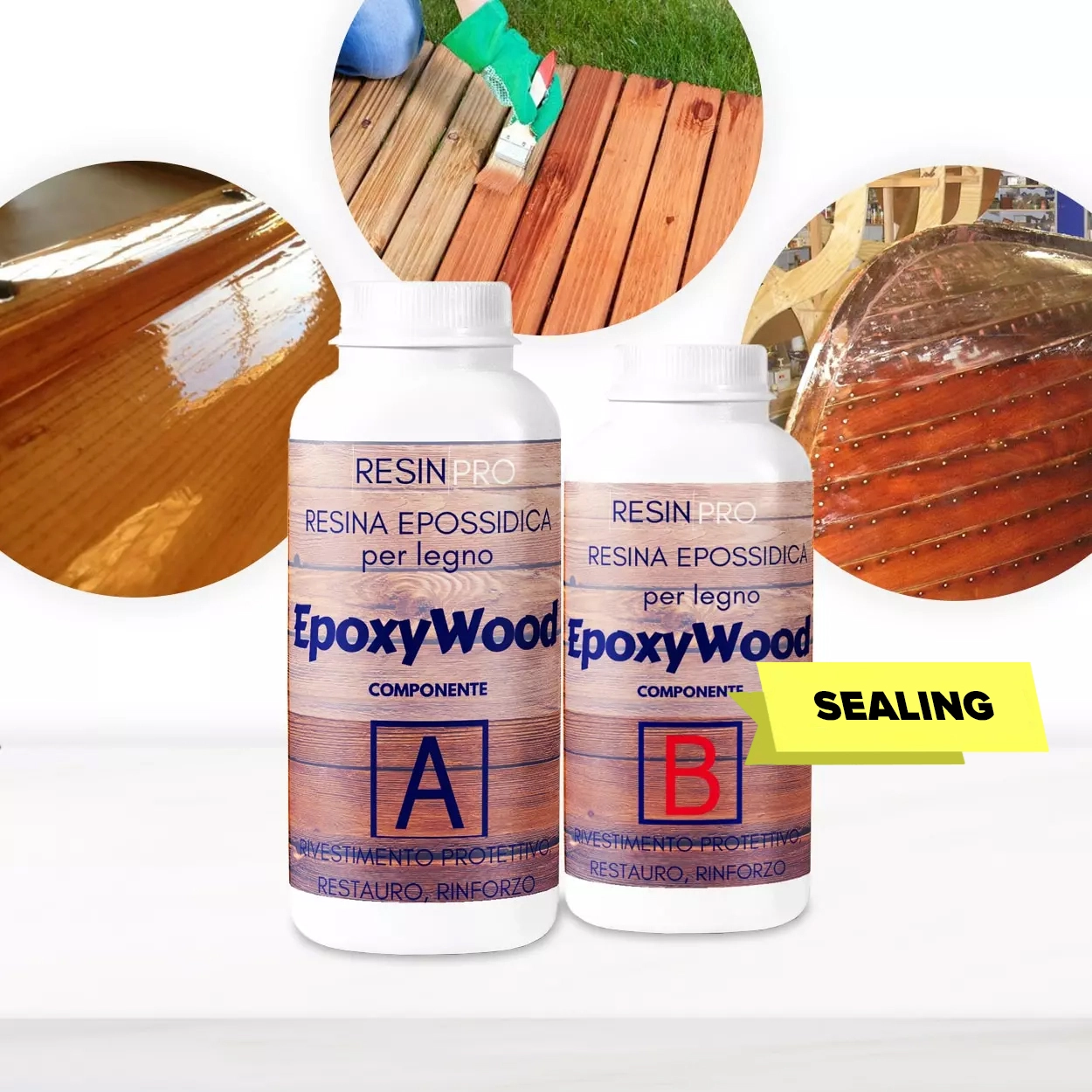
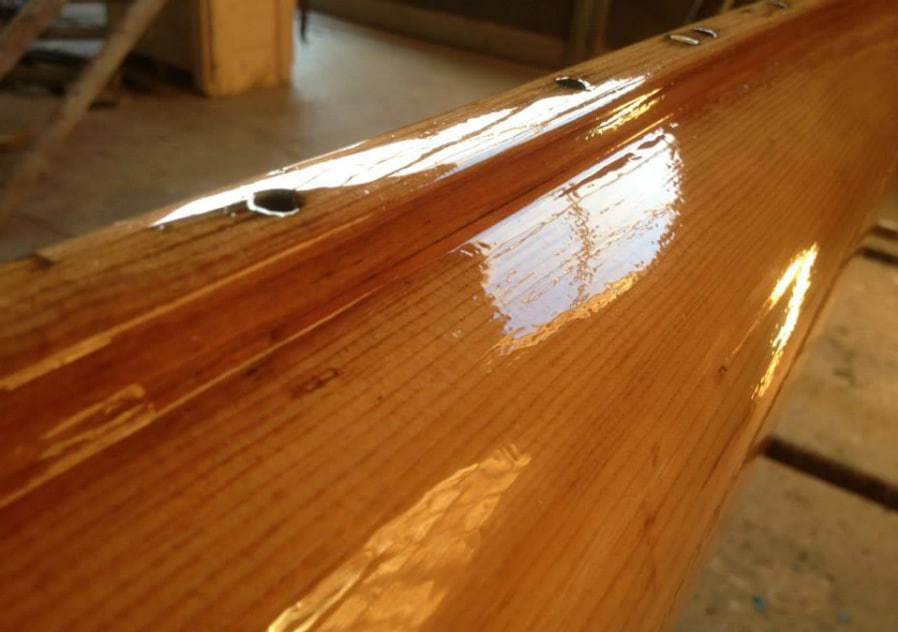
- “EpoxyWood” – Wood Restoration Epoxy Resin for Deep Penetration and Waterproofing – This ultra-low viscosity resin delivers deep penetration into wood fibres. For best results, wood should be perfectly dry and at ambient temperature during application and drying. Avoid cold and humid environments, as these may hinder curing and adhesion.
- “Klebfix” – Two-Component Fast Epoxy Glue 2K, 25g Syringe – An ideal choice for demanding repairs, this 2K epoxy bonds and dries reliably across a broad range: from -40°C up to +120°C, tolerating bursts up to 200°C. Fast setting even in low or damp conditions, ideal for both indoor and outdoor use.
- “EpoxyFood” – Certified Clear Food Contact Epoxy Resin for Coating – Best applied and left to dry at normal indoor temperatures, it achieves initial cure in 10 hours and full cure in 24-48 hours. It is heat resistant up to 70°C, suitable for kitchenware that will touch food and liquids.
- “Epoxytable 10-Ten” – Deep Pour Epoxy Resin for Tables, Up to 10cm Casting and “EpoxyTable 5-Five” – Deep Pour Epoxy Resin for Tables and Large Projects – Up to 5cm – Designed for thicker castings, these products offer controlled, low exothermic reactions to avoid overheating. They cure best at steady room temperatures and are heat resistant up to 70°C.
Comparison of ResinPro Epoxy Products for Temperature and Drying
Choosing the right resin isn’t just about finish—it’s about compatibility with your project’s environment. Here’s a quick comparison:
- “EpoxyWood”: Requires dry, ambient conditions; ideal for restoration with strong waterproofing.
- “Klebfix”: Fastest-setting, broadest temperature range; sets even below zero or underwater.
- “EpoxyFood”: Best at room temperature, food safe, and suited to kitchenware and display items.
- “Epoxytable 10-Ten” and “EpoxyTable 5-Five”: For deep pours, rely on stable, moderate room temperatures to prevent overheat or cure failure.
For all options, steady warmth and dryness deliver the best cure. If your workspace is chilly or damp, consider controlled heat support to optimise results.

Why a Controlled Workspace Supports Flawless Resin Results
Steady, warm temperatures guarantee a stable curing environment for epoxy resin, preventing surface defects or cloudiness. Tools such as the Rhino 2kW Fan Heater ensure your workspace remains ideal throughout the process, even during colder weather. This control is vital for large tables, art installations, or delicate kitchenware, especially when unexpected temperature drops threaten to compromise your work.
How to Create the Right Drying Environment
Setting up a temperature-controlled area can make all the difference, particularly in the UK’s varied climate. That is where accessories like the “Rhino” – 2kW Fan Heater for Epoxy Resin Projects are invaluable. This portable fan heater quickly warms the workspace and features an adjustable thermostat, allowing you to keep curing temperatures consistent and optimal for your resin projects.
For safe and even results, set your heater to maintain a steady temperature, avoiding extreme fluctuations. Overheat protection gives peace of mind, enabling you to focus on creativity without compromising on cure quality or safety.
Why Using the Right Resin for Your Temperature Matters
Each project brings unique requirements. Selecting a resin formulated for your environment minimises risks and ensures your finished piece lasts:
- For wood restoration, such as outdoor or marine wooden surfaces, “EpoxyWood” – Wood Restoration Epoxy Resin for Deep Penetration and Waterproofing is highly recommended. Its low viscosity ensures maximum penetration—provided the surface is dry and temperatures are stable.
- If you need rapid repairs in variable environments, “Klebfix” – Two-Component Fast Epoxy Glue 2K, 25g Syringe works across a remarkable temperature range—perfect for challenging repair tasks both indoors and out.
- For food contact applications, trust “EpoxyFood” – Certified Clear Food Contact Epoxy Resin for Coating, developed for safe use at regular indoor temperatures.
- For tables and large creative projects, balance deep pour performance with a controlled environment using “Epoxytable 10-Ten” – Deep Pour Epoxy Resin for Tables, Up to 10cm Casting or “EpoxyTable 5-Five” – Deep Pour Epoxy Resin for Tables and Large Projects – Up to 5cm.
Simplify Project Success by Understanding Drying Temperatures
Knowing the temperature requirements for each resin type means fewer surprises and professional results every time. From precise repair glues to deep-pour table resins, a consistent environment boosts both appearance and longevity. Browse our product guides and accessories to find the best settings for your specific project.

Additional Tips for Managing Drying Temperature
Plan your pour: Always choose a well-ventilated, enclosed space where temperature can be maintained steadily above 15°C. Avoid cold garages or sheds in winter unless you can add heat and humidity control.
Monitor your project: If the resin remains tacky or soft after the expected cure time, double-check ambient temperatures and humidity, and supplement warmth as needed. The “Rhino” heater is a trusted tool for keeping projects on track throughout the year.
For resin selection advice or further help, browse our resins-for-tables-and-surfaces-finishes, Multipurpose Epoxy Resins, or Top Sellers sections.
- "EpoxyWood" – Wood Restoration Epoxy Resin for Deep Penetration and WaterproofingOriginal price was: £64.00.£39.85Current price is: £39.85."EpoxyWood" is designed for wood restoration with deep penetration and waterproofing, suitable for repairing and protecting timber surfaces.
- "Klebfix" – Two-Component Fast Epoxy Glue 2K, 25g Syringe£22.85"Klebfix" 2K Fast Epoxy Glue is designed for demanding repairs with fast setting and strong bonds on multiple materials.
 "EpoxyFood" – Certified Clear Food Contact Epoxy Resin for CoatingOriginal price was: £39.00.£32.85Current price is: £32.85."EpoxyFood" is a transparent, food-safe resin suitable for coating kitchenware with clarity and durability.
 “Epoxytable 10-Ten” – Deep Pour Epoxy Resin for Tables, Up to 10cm CastingPrice range: £33.85 through £334.85“Epoxytable 10-Ten” is designed for deep casting up to 10cm, suitable for tables and artistic projects in a temperature-sensitive theme.
 "EpoxyTable 5-Five" – Deep Pour Epoxy Resin for Tables and Large Projects – Up to 5cmPrice range: £16.85 through £1,099.85"EpoxyTable 5-Five" is designed for deep pouring projects such as tables and large items up to 5cm thickness, fitting the theme on drying temperature…
 "Rhino" – 2kW Fan Heater for Epoxy Resin Projects£19.85"Rhino" 2kW Fan Heater offers rapid warming with an adjustable thermostat, suitable for epoxy resin projects in controlled environments.
Frequently Asked Questions
What is the best temperature for drying epoxy resin?
Most epoxy resins cure best between 18°C and 25°C, in a dry environment away from direct cold draughts or excessive heat. This range ensures strong bonds and a clear, even finish.
Always check specific product instructions as some formulations, such as fast-setting or deep-pour resins, may have unique requirements within the standard range.
Can you use a fan heater to dry epoxy resin?
Yes, a fan heater such as the Rhino 2kW Fan Heater can safely raise and maintain optimal drying temperatures. Set the adjustable thermostat to keep your workspace within the advised range for your chosen resin.
Be cautious not to blow dust or debris onto the curing surface, as this may mar the finish.
What drying temperature is best for food-safe epoxy resin?
The ideal drying environment for food-safe epoxy resin such as EpoxyFood is regular indoor temperature, typically 20–22°C. This ensures clarity, mechanical strength, and safety for contact with food or drink.
How can I cure epoxy resin in cold weather?
Supplement natural warmth with a safe heater like the Rhino Fan Heater to reach proper cure temperatures. Always shield your project from humidity and wind to ensure even curing.
Extended cure times may occur at low temperatures; be patient and maintain even warmth throughout.
Does pour thickness affect the drying temperature of epoxy resin?
Yes, thicker pours can generate much more heat (exotherm) as they cure, so controlled, moderate room temperatures are critical. Using deep-pour products such as EpoxyTable 5-Five or Epoxytable 10-Ten within their guidelines ensures safety and a bubble-free finish.
Why is my epoxy resin still tacky after drying?
If epoxy remains sticky after drying time, check room temperature (should be above 18°C) and humidity (should be low). Mixing ratios must also be correct. Low temperatures and damp conditions prevent proper curing.