 Free shipping on orders over £29,85
  Shipping Tracking!


 Google
 Facebook
← Back to At what temperature should epoxy resin be dried?
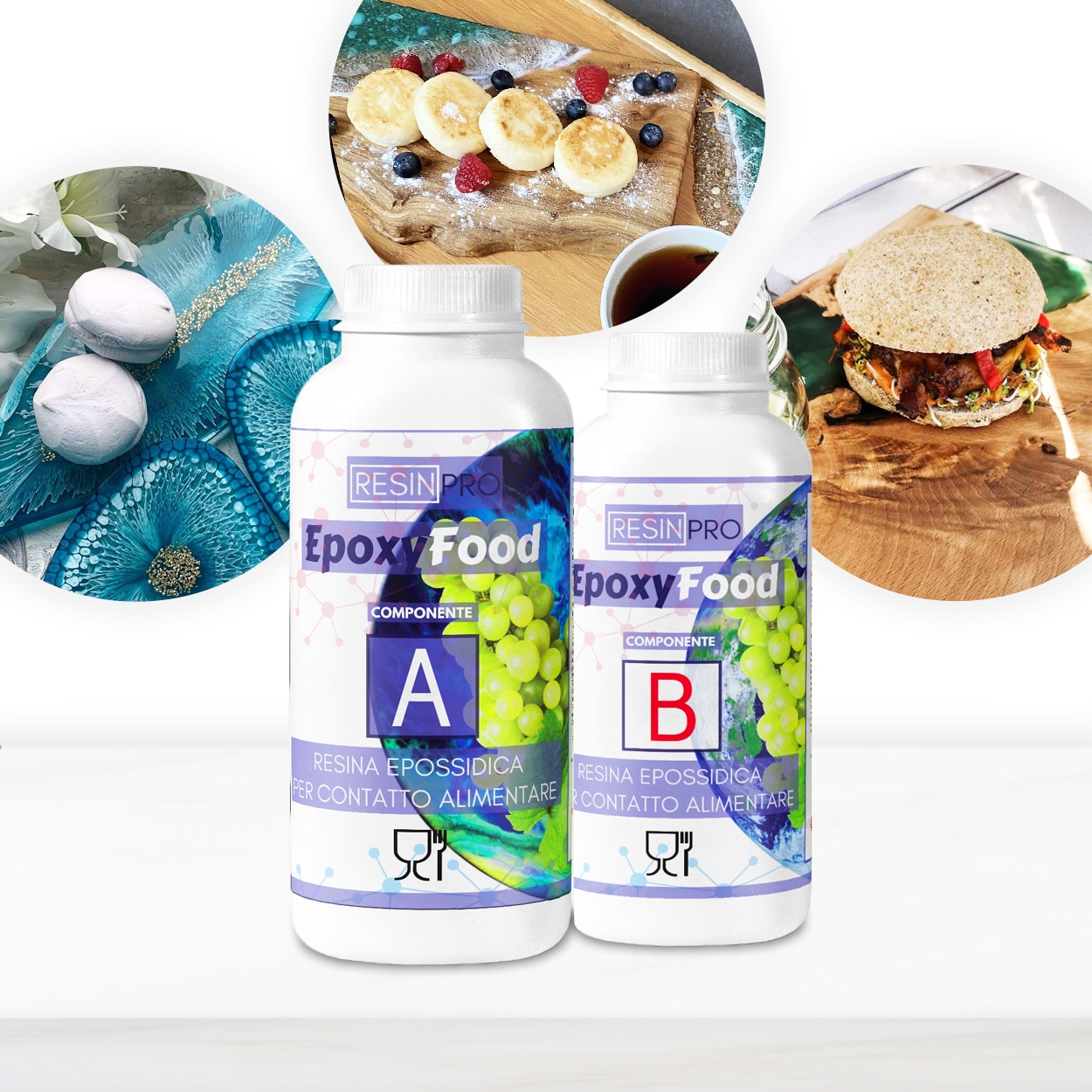
When crafting or restoring items that will touch food, it’s essential to understand how epoxy resin fits into safe food contact applications. Not all resins are suitable—let’s clarify what’s safe and where you should take care.
What Makes an Epoxy Resin Food Safe?
Not every epoxy resin is certified for food contact. Always look for independent testing against recognised standards, such as the European regulation (EU) No. 10/2011 for food contact. Food-safe epoxy resins like EpoxyFood are formulated to be non-toxic, solvent-free and odourless, ensuring safe application on items like plates, glasses, cups, and chopping boards. However, they are generally suitable for use only with cold snacks and non-alcoholic beverages.
Selecting and Using Food Contact Epoxy
When shopping for a resin to coat or restore kitchenware, always confirm it states food contact suitability and check manufacturer guidelines. Some resins are not recommended for large areas, such as kitchen worktops—use them for smaller pieces like cutting boards or utensils instead. For best results, apply evenly to clean, dry surfaces and allow the resin to cure fully. Most food contact epoxies offer good resistance up to roughly 70°C, so avoid use with hot foods or liquids unless specifically approved.
When Food Contact Certification Matters
It’s especially important to use certified food-safe resin when coating items that frequently touch food or drink. This covers serving boards, glasses, displayware, and child-oriented projects. For decorative or non-contact elements, broader resin options may be considered.
Related products
Related guides
Using the right food contact epoxy resin is crucial for safety and long-term performance. For further details on working with resin and achieving optimal results, explore our main guide on epoxy resin drying temperatures and techniques.