 Free shipping on orders over £29,85
  Shipping Tracking!


 Google
 Facebook
← Back to How do I repair or prepare the surface for a new pour?
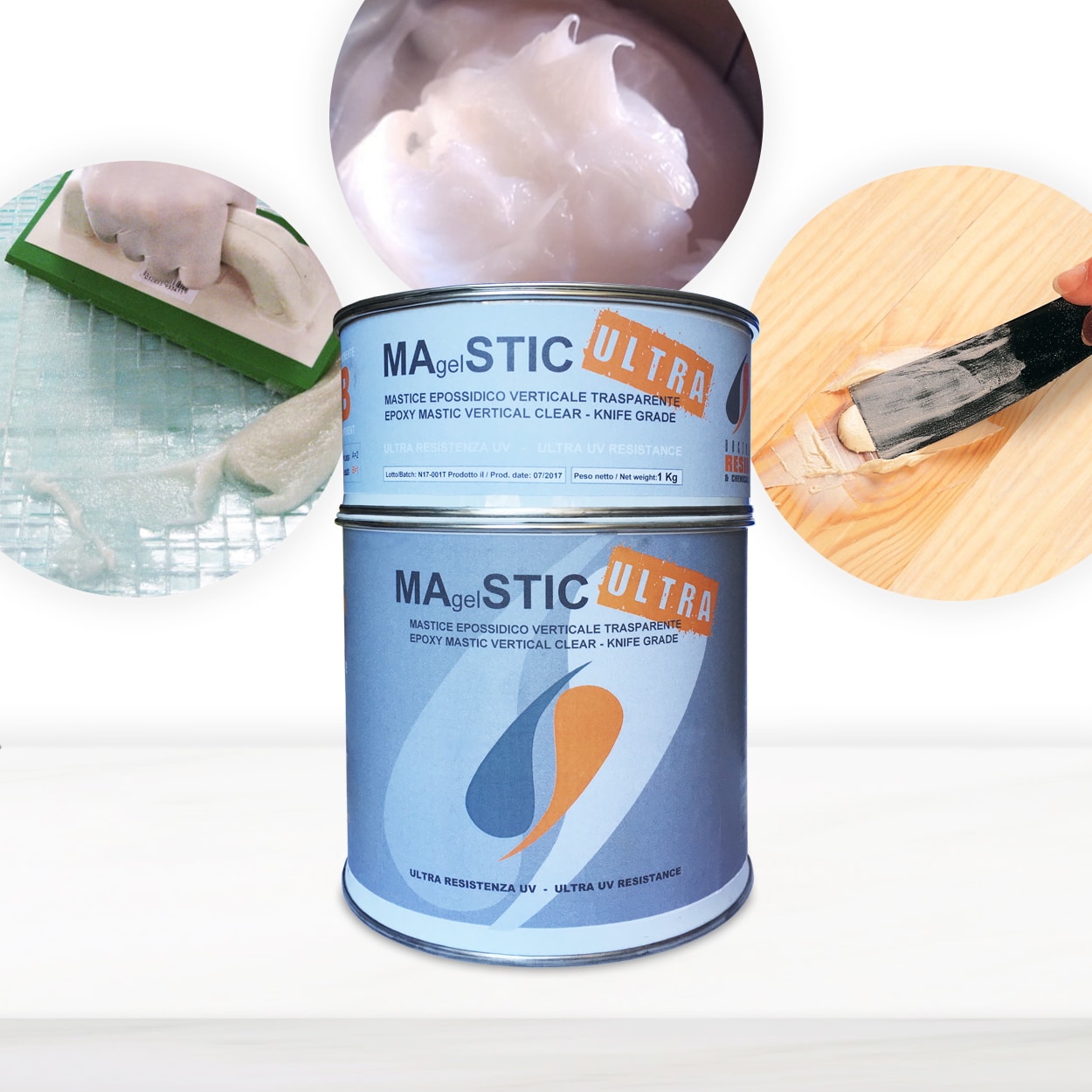
Addressing cracks in stone or concrete before pouring new resin is essential for ensuring a robust and flawless finish. Proper crack repair creates a smooth, stable base that extends the life and appearance of your resin project.
Choosing the Right Filler for Structural Repairs
For lasting repairs, opt for a product specifically designed for masonry, such as Magelstick Epoxy Mastic. This professional epoxy mastic offers outstanding bonding power for natural and artificial stone, concrete, and cement. Its thixotropic consistency means it won’t sag—even on vertical cracks—making it ideal for gap filling and restoration on walls, floors, and outdoor surfaces. Magelstick’s durability and strong adhesion help maintain the integrity of your repair beneath future resin pours.
Preparation and Application Tips
Before applying any crack filler, thoroughly clean the area, removing dust, debris, and any loose material to promote maximum adhesion. Cracks should be dry and free from oils or contaminants. For best results, work at temperatures above 10°C as recommended for epoxy mastics. After mixing Magelstick to the proper ratio, use a spatula or trowel to press the mastic firmly into the cracks, smoothing it to match the surrounding surface. Allow the repair to fully cure as directed before proceeding with further surface preparation or applying primer.
When This Matters
Repairing cracks prior to a new resin pour is particularly important for projects involving heavy use, outdoor exposure, or where aesthetics matter—such as driveways, patios, or decorative floors. Properly filled cracks prevent weakness or visible seams from affecting your finished resin layer.
Related products
Related guides
Taking the time to repair cracks in stone or concrete ensures your new resin pour will bond securely and look its best. For more tips on preparing for a flawless resin application, see our full guide on surface repair and preparation.