 Free shipping on orders over £29,85
  Shipping Tracking!


 Google
 Facebook
← Back to How do you anchor rebar with epoxy resins?
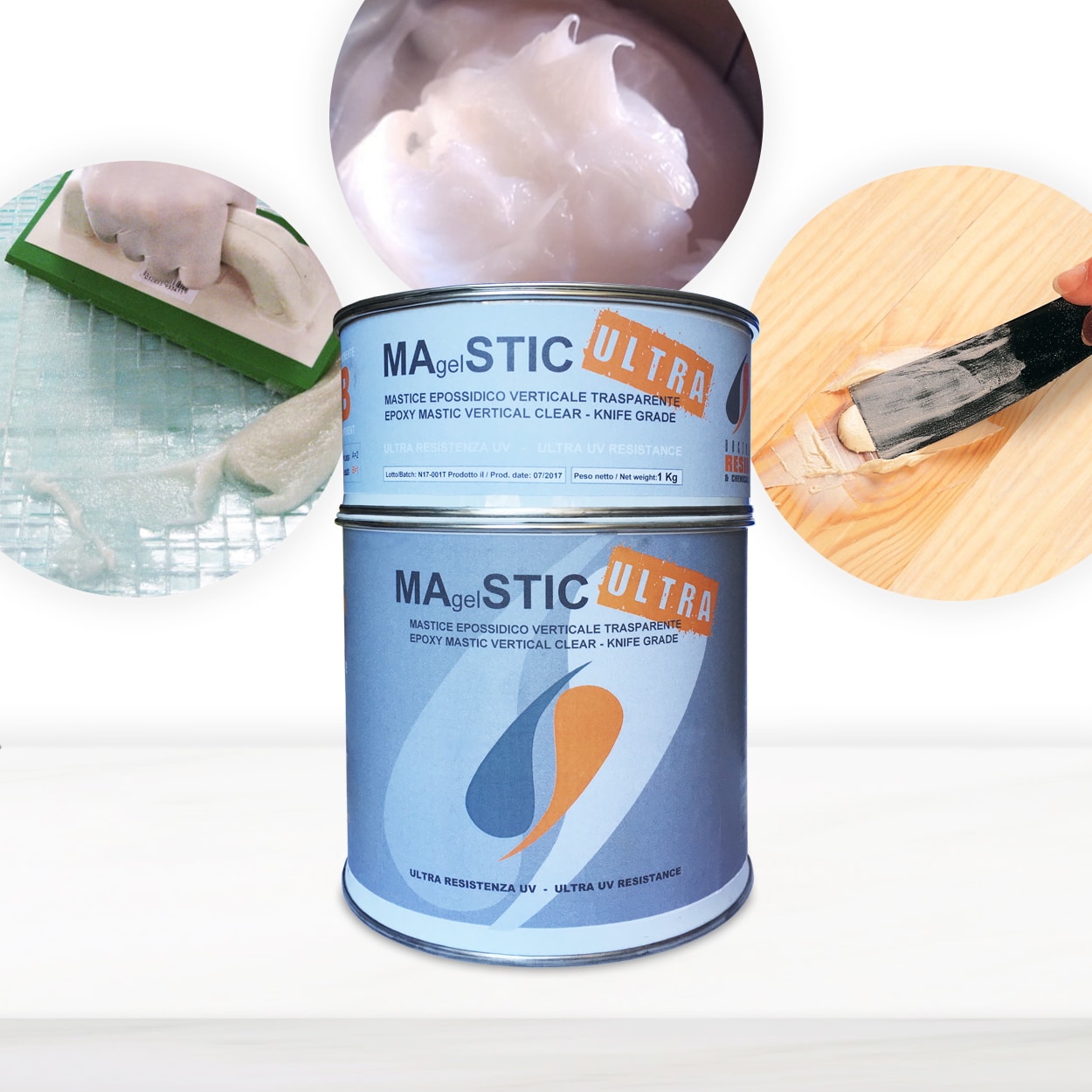
When securing materials outdoors, choosing an epoxy resin designed for exterior environments is essential. The right product ensures strong, weather-resistant, and lasting anchoring.
Weather Resistance: What to Look For
Not all epoxies are suitable for external use—always select a product specifically labelled as UV and weather resistant. Modern outdoor epoxies, such as Magelstick Epoxy Mastic, are formulated to withstand exposure to sunlight, rain, and temperature fluctuations, making them a reliable choice for outdoor settings.
- Check the manufacturer’s guidelines for exterior suitability.
- Look for claims of UV stability and resistance to moisture.
- Confirm minimum application temperatures; for many products, 10°C or above is recommended for optimal bonding.
Practical Tips for Successful Outdoor Anchoring
Preparation is key. Surfaces should be clean, dry, and free from dust or loose particles. Mix the epoxy according to instructions, maintaining the correct ratio for best results. For vertical or overhead applications, opt for thixotropic or non-drip epoxy products to prevent sagging and ensure a strong bond. Weather-resistant options like Magelstick maintain their integrity and adhesion even when exposed to the elements after curing.
When This Matters Most
Outdoor anchoring is especially important for fixtures exposed to constant weathering—such as garden structures, exterior repairs, or installations like fence posts anchored into stone, concrete, or metal. Using an appropriate epoxy helps safeguard longevity and reliability in these demanding conditions.
Related products
Related guides
Choosing an epoxy specifically intended for outdoor anchoring improves both performance and durability. If anchoring rebar or other fixings is your next project, see our in-depth guide on how to anchor rebar with epoxy resins for more technical insights.