 Free shipping on orders over £29,85
  Shipping Tracking!


 Google
 Facebook
How to apply epoxy resin with a trowel?
Learn to achieve flawless, even epoxy layers on any surface


Applying epoxy resin with a trowel is the professional’s choice for achieving beautifully level, seamless surfaces on floors, worktops, wooden items and art panels. Whether you are fresh to resin or keen to refine your method, this guide will take you step by step through preparation, mixing, spread, and finishing so you achieve perfect results and lasting durability in every project.
What You’ll Need
- “Epoxyprimer” – Universal Water-Based Two-Component Epoxy Floor Primer – for optimal substrate adhesion and stability.
- Tooth Shaped Spatula for Epoxy Resin Application – a specialist trowel/spatula for even, controlled spreading.
- “EpoxyWood” – Wood Restoration Epoxy Resin for Deep Penetration and Waterproofing – when working on wood requiring deep impregnation and restoration.
- Basic mixing containers and sticks
- Protective gloves, mask, and dust sheets

Key Tools for a Seamless Epoxy Application
Using a dedicated notched trowel, such as the Tooth Shaped Spatula for Epoxy Resin Application, gives you even coverage while speeding up your workflow. For wooden restorations, “EpoxyWood” is highly effective for deep impregnation, while “Epoxyprimer” ensures each resin layer bonds securely to the substrate.
Step 1: Prepare the Surface
Begin by ensuring the substrate is clean, dry, and free from dust, oil, or loose particles. Wooden surfaces should be sanded smooth, while concrete should be free of cracks and gaps. This prevents any contamination or irregularities from showing in the finished resin layer. Always wear gloves and work in a well-ventilated area.
For an optimal bond, prime the surface with a suitable primer. On absorbent or challenging substrates—like concrete, wood, or tile—a dedicated floor primer such as “Epoxyprimer” improves adhesion. Allow the primer to cure fully before moving to the resin application.
Step 2: Mix the Epoxy Resin
Carefully measure and mix the two epoxy components, following the manufacturer’s mixing ratios and instructions. Mix slowly, scraping container sides and bottom to avoid unmixed streaks. Let the mix stand for a minute to allow most air bubbles to rise. Avoid stirring too fast, as this can introduce additional bubbles.
If your project involves wooden restoration, mix up the “EpoxyWood” resin immediately prior to application for optimal consistency and penetration.

"Epoxyprimer" – Universal Water-Based Two-Component Epoxy Floor Primer
Water-based epoxy floor primer suitable for concrete, timber, screeds, and tiles with simple application methods.
Step 3: Apply and Spread the Resin with a Trowel
Pour a ribbon of mixed resin over your prepared surface. Take your spreader—ideally a Tooth Shaped Spatula for Epoxy Resin Application—and hold it at a shallow angle to the substrate. With gentle, consistent pressure, drag the trowel to spread the resin thinly and evenly across the area. A smooth and even spread minimises defects later.
Work methodically from one edge to another in sections. For broad surfaces, overlap each trowelled section slightly to maintain a continuous coat. For intricate projects or fine details (like edges or small workpieces), adjust your trowel’s angle and pressure for greater control. Work methodically from one edge to another in sections.
Step 4: Finishing Touches and Curing
Check for missed spots or excessive build-ups immediately, adjusting with your trowel for a fully level finish. Do not rush. Some air bubbles may appear; sweep your trowel lightly over them or use a low-temperature heat gun for stubborn bubbles. Check the manufacturer’s guidelines for open time. Once satisfied, allow the resin to cure undisturbed—any drafts, dust or movement can mark the surface.
If any resin overflows onto surrounding areas, clean up straightaway while uncured—removing set resin is significantly harder. Remove any uncured resin spills immediately. Most epoxies need 24-48 hours for a full cure, so protect the area from contact during this period.
"Epoxyprimer" – Universal Water-Based Two-Component Epoxy Floor Primer
Water-based epoxy floor primer suitable for concrete, timber, screeds, and tiles with simple application methods.

Tips, Common Mistakes, and Troubleshooting
Air bubbles can be fixed with light heat or by revisiting the spread before curing. Avoid overfilling or returning to the same spot repeatedly, as this can disturb the resin’s self-levelling properties. Never overwork the resin as it can introduce more bubbles. Always work to ambient conditions; extremes of heat or cold can slow curing or affect the finish.
Extra Advice for Flawless Resin Finishing
Best results come from careful mixing, a methodical spread, and prompt attention to spills or bubbles. If this is your first time applying resin with a trowel, consider practising on a test board. Each batch and substrate can behave differently—patience and practice are your best allies.

- Tooth Shaped Spatula for Epoxy Resin Application£3.15The Tooth Shaped Spatula is designed for precise and even resin application suited for various surfaces.
- Resin & Paint Application Rollers – Short-Pile, Large, and Sponge TypesPrice range: £3.45 through £4.85Rollers designed for epoxy resin applications provide precision and uniformity suitable for professional and DIY use.
- "Epoxyprimer" – Universal Water-Based Two-Component Epoxy Floor PrimerPrice range: £148.84 through £272.45"Epoxyprimer" is a water-based two-component floor primer designed for reliable adhesion and durability in epoxy flooring projects.
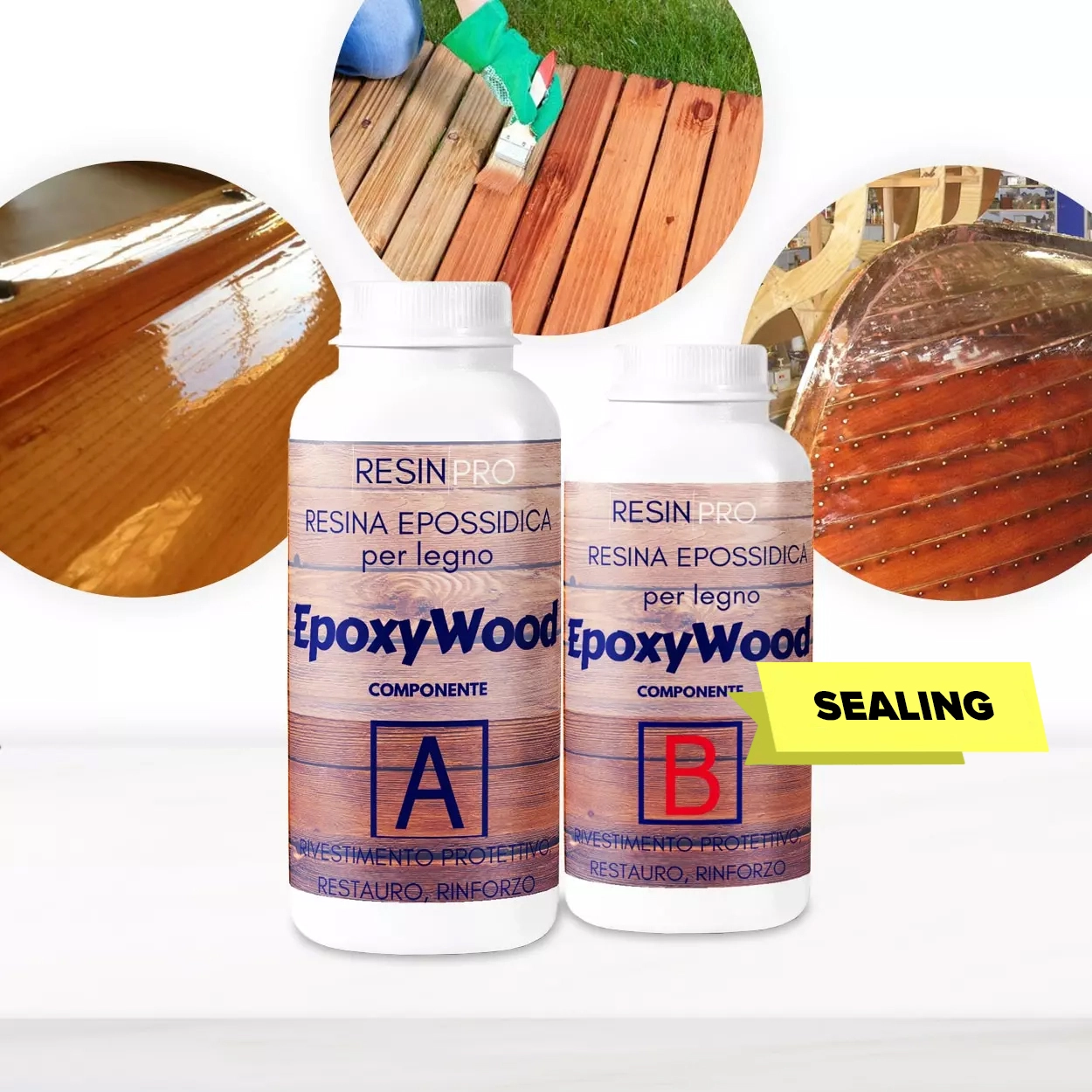 "EpoxyWood" – Wood Restoration Epoxy Resin for Deep Penetration and WaterproofingOriginal price was: £64.00.£39.85Current price is: £39.85."EpoxyWood" is designed for repairing and protecting wood with deep penetration and waterproofing, suitable for the 'How to apply epoxy resin with a…
Frequently Asked Questions
Can I use ordinary spatulas for trowelling epoxy resin?
Specialist spatulas like the Tooth Shaped Spatula are designed to create an even coat and reduce bubbles. Ordinary spatulas or trowels may not provide the same control or finish but can work in non-critical tasks if used carefully.
How do I prevent trowel marks in the resin layer?
Use a notched or smooth trowel at a consistent angle and steady pressure. Don’t overwork an area. Minor marks often self-level as the resin settles, but avoid stirring up dust or touching after the resin begins to cure.
What should I do if bubbles form after application?
Bubbles can be popped with a heat gun set to low or by gently passing a flame over the surface. Working slowly and at the right temperature also helps prevent bubbles from forming during mixing and application.
How many layers of resin should I apply?
One or two coats usually suffice, but check product guidelines. If a thicker finish is needed, allow each coat to cure fully before adding another, and lightly sand between coats to ensure proper adhesion.
What’s the best room temperature for curing epoxy resin?
Most epoxy resins cure best between 18–25°C. Avoid very humid or cold conditions to prevent issues with curing speed and surface appearance.
How do I ensure primer is compatible with my surface?
Choose a universal primer suitable for your substrate. “Epoxyprimer” is compatible with concrete, screeds, wood, and most indoor floors.
Is sanding between resin coats necessary?
If applying multiple layers, lightly sand with fine-grit paper after full cure, clean off dust, then proceed. This ensures good mechanical bonding for further layers.
Frequently Asked Questions
Can I use ordinary spatulas for trowelling epoxy resin?
Specialist spatulas like the Tooth Shaped Spatula are designed to create an even coat and reduce bubbles. Ordinary spatulas or trowels may not provide the same control or finish but can work in non-critical tasks if used carefully.
How do I prevent trowel marks in the resin layer?
Use a notched or smooth trowel at a consistent angle and steady pressure. Don't overwork an area. Minor marks often self-level as the resin settles, but avoid stirring up dust or touching after the resin begins to cure.
What should I do if bubbles form after application?
Bubbles can be popped with a heat gun set to low or by gently passing a flame over the surface. Working slowly and at the right temperature also helps prevent bubbles from forming during mixing and application.
How many layers of resin should I apply?
One or two coats usually suffice, but check product guidelines. If a thicker finish is needed, allow each coat to cure fully before adding another, and lightly sand between coats to ensure proper adhesion.
What's the best room temperature for curing epoxy resin?
Most epoxy resins cure best between 18–25°C. Avoid very humid or cold conditions to prevent issues with curing speed and surface appearance.
How do I ensure primer is compatible with my surface?
Choose a universal primer suitable for your substrate. "Epoxyprimer" is compatible with concrete, screeds, wood, and most indoor floors.
Is sanding between resin coats necessary?
If applying multiple layers, lightly sand with fine-grit paper after full cure, clean off dust, then proceed. This ensures good mechanical bonding for further layers.