 Free shipping on orders over £29,85
  Shipping Tracking!


 Google
 Facebook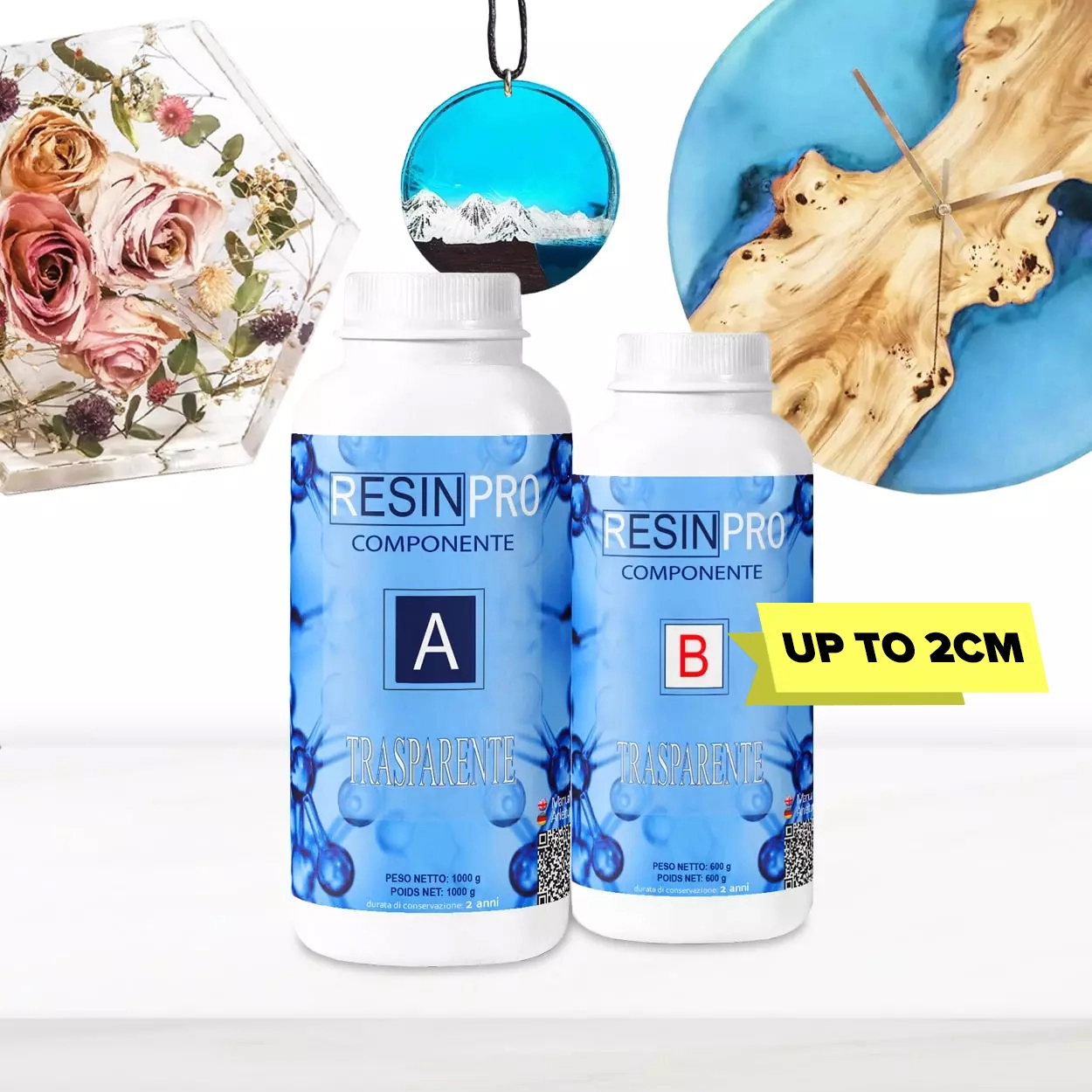
Wondering if resin is suitable for outdoor use? The answer depends on the type of resin you choose and how much exposure your project will face. Here’s what to consider to get reliable results outside.
Resin Selection for Outdoor Conditions
Not all resins are made equal when it comes to outdoor durability. To withstand sunlight, moisture, and temperature changes, look for formulations that include UV filters or offer ceramic-like hardness. Epoxy resins such as “Trasparente” and mineral options like “NatuResin” both feature properties that make them better suited for outdoor or semi-exposed applications. These products are developed to help resist yellowing and surface degradation from light exposure.
Best Practices for Lasting Outdoor Use
- Choose resins with UV protection: UV-resistant formulations reduce yellowing and surface wear in outdoor settings.
- Limit prolonged direct exposure: Even with UV protection, continuous or extreme outdoor conditions can reduce a resin’s life span. Placing projects in shaded or protected areas helps preserve clarity and finish.
- Apply in recommended thickness: Adhere to the manufacturer’s guidelines (like up to 2cm for “Trasparente” or 1.5cm per layer for “Icrystal”) to avoid uneven curing and maintain durability.
When This Matters
Outdoor suitability is crucial for projects such as garden ornaments, patio tables, or decorative planters. If your creations are exposed to full sun, wind, or rain, selecting a resin engineered for at least partial outdoor use will help your project last longer and look its best.
Related products
Related guides
Choosing the right resin and following outdoor-use guidelines can help you get the most from your creative projects. For more on working with different types of resin, visit our main What is resin? guide.