 Free shipping on orders over £29,85
  Shipping Tracking!


 Google
 Facebook
← Back to Who produces epoxy adhesives?
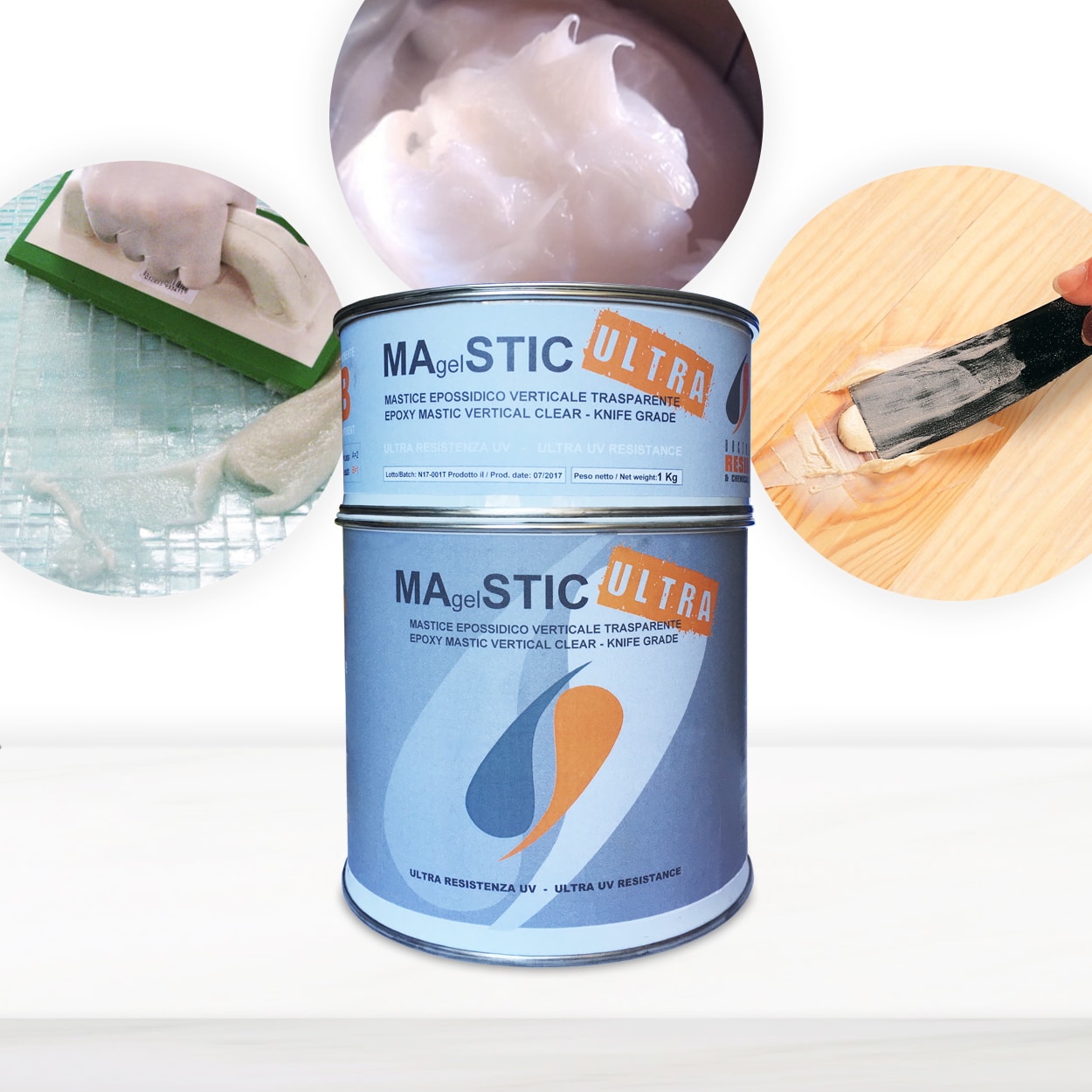
When working with epoxy adhesives, a thixotropic formula gives you greater control for intricate or vertical applications. But what exactly does it mean for an adhesive to be thixotropic, and why is it so valuable in certain projects?
What Does Thixotropic Mean?
A thixotropic epoxy adhesive is designed to behave like a gel when at rest, yet becomes more fluid when stirred or applied. This property prevents the adhesive from running or dripping, making it especially useful for applying to vertical surfaces, joints, or overhead areas. Once in place, it stays put while it cures, eliminating sagging and mess.
Practical Applications and Benefits
Thixotropic formulas are ideal for tasks such as grouting, bonding stone or metal in restoration, or making repairs on walls and ceilings. For example, Magelstick Epoxy Mastic uses a thixotropic recipe to stay firmly where applied, supporting gap filling and crisp joint finishes. These adhesives also typically show minimal shrinkage and create durable, long-lasting bonds.
- No dripping even on vertical or sloped surfaces
- Great for filling gaps and covering uneven areas
- Precise placement keeps repairs clean and controlled
When This Matters Most
Choose a thixotropic epoxy when working on vertical installations, repairs above head height, or any application where standard adhesives would flow before setting. It’s a must-have feature in professional masonry, stone setting, and specialist repairs.
Related products
Related guides
Understanding the role of thixotropic formulas in epoxy adhesives can help you choose the right product for challenging applications. Explore more options and find solutions ideal for your projects by visiting our main page on who produces epoxy adhesives.