 Free shipping on orders over £29,85
  Shipping Tracking!


 Google
 Facebook
How can I apply resin to a wall?
Step-by-step methods for lasting and decorative wall coatings
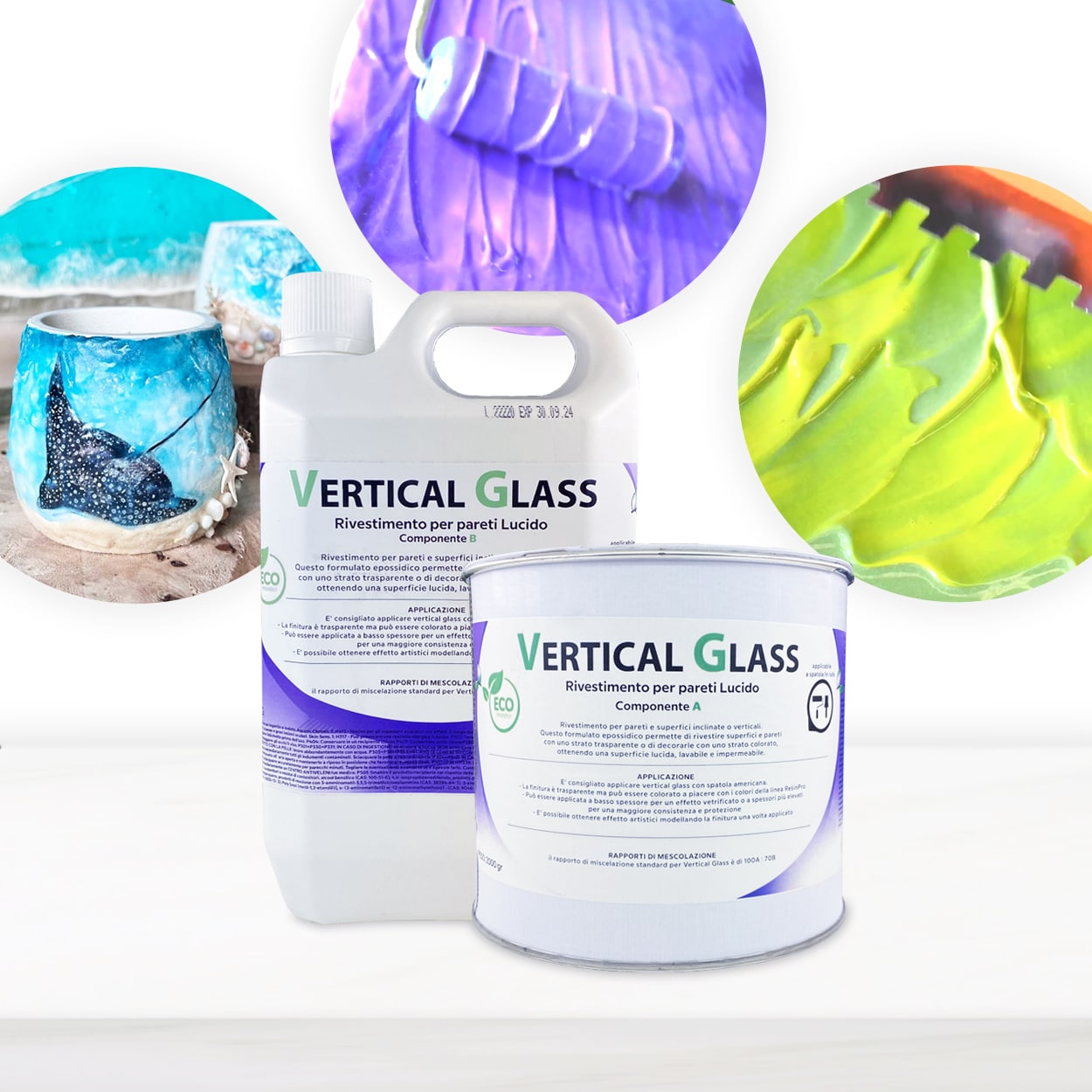

Applying resin to a wall allows you to create durable, waterproof, and highly decorative finishes suitable for both residential and commercial spaces. Whether you’re looking to protect high-moisture areas or achieve an artistic effect, mastering the correct application technique is the key to lasting results and minimal mess. This guide will walk you through all the essentials, from preparation to finishing touches, ensuring a smooth, professional outcome.
What You’ll Need
- “Vertical Glass” – Thick Resin Decorative Wall Coating: Epoxy resin designed for vertical and sloping surfaces, ideal for walls.
- Resin & Paint Application Rollers – Short-Pile, Large, and Sponge Types: Essential for uniform resin application across large and small wall spaces.
- “Art Pro Deluxe” – Ultra-High Viscosity Epoxy Resin for Artists: Suitable for artistic finishes and areas requiring precise control and line definition.
- “Trasparente” – Multipurpose Clear Epoxy Resin for Casting – Up to 2cm: For ultra-clear, glossy coatings where thin layers are required.
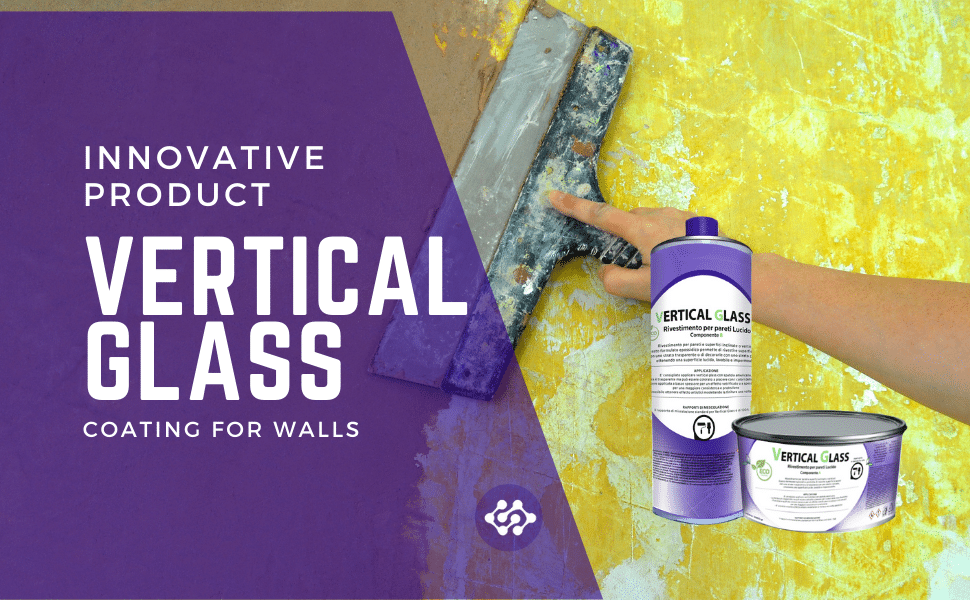
Essential Tools and Safety When Working with Resin
Wearing gloves and a mask is recommended to protect your skin and lungs from resin exposure. Keep mixing sticks and clean containers ready. Use protective sheeting or drop cloths to shield floors from accidental spills. Adequate ventilation is crucial for a safe workspace when handling any epoxy resin.
Step 1: Prepare the Wall Surface
Ensure walls are dry, dust-free, and structurally sound. Remove any loose paint, grease, or mould, as these will affect adhesion. Fill holes or cracks with a suitable filler and sand smooth once dry. If the wall is particularly smooth (e.g., glossy paint or tile), lightly roughen the surface using fine-grit sandpaper to promote better resin bonding.
It’s advisable to clean the wall thoroughly with a degreasing agent and allow it to dry completely before applying any resin products. Use painter’s tape to protect skirting boards and adjacent surfaces from drips or accidental splashes. Ventilate the area during application and curing for your safety and to minimise fumes.
Step 2: Mix the Resin Correctly
Careful mixing is crucial for a flawless wall finish. Mix your chosen resin in accordance with the manufacturer’s ratio, using clean, dry measuring equipment. Stir slowly and thoroughly to minimise air bubbles, ensuring the resin and hardener are completely blended. For decorative finishes, add pigments or metallic powders at this stage.
If you are working on vertical walls, select a thick resin that won’t run or drip excessively, such as “Vertical Glass” – Thick Resin Decorative Wall Coating. For artistic details or line work, “Art Pro Deluxe” – Ultra-High Viscosity Epoxy Resin for Artists provides excellent control for intricate effects.
Step 3: Apply the Resin Evenly
Using your selected roller or spatula, begin applying the resin from the top of the wall downwards. Work in manageable sections to maintain a wet edge, this prevents visible seams where resin layers might overlap and dry at different times. For large wall areas, a large short-pile or sponge roller can ensure rapid, even distribution; for corners or detailed sections, a small roller or brush gives better control.
If you prefer a glossy, glass-like finish, “Trasparente” – Multipurpose Clear Epoxy Resin for Casting – Up to 2cm can be used in thin layers. For strong decorative elements or colour effects, blend the resin with suitable pigments before rolling it onto the wall. Always check for and remove drips, as resin can sag if applied too thickly on vertical surfaces.
Step 4: Cure and Finish
Allow the coated wall to cure undisturbed, following the recommended curing times provided by your resin manufacturer (usually between 24 and 48 hours for most epoxies). Avoid touching or leaning anything against the wall during this period, as this can mar the finish.
Once the resin is fully cured, inspect for imperfections such as bubbles or dust. Most imperfections can be lightly sanded and overcoated if needed. Optional: For a satin rather than glossy effect, sand the fully cured surface using fine abrasive pads to achieve your preferred sheen.
Tips and Troubleshooting for Wall Resin Application
Temperature and humidity have a major impact on both resin cure speed and surface quality. Only work in environments within the recommended temperature range stated by your chosen resin. Watch out for over-mixing, which introduces air bubbles, and avoid applying overly thick layers on vertical walls, which can cause sagging or runs.
If drips occur, carefully remove them with a clean spatula before the resin begins to set. Should you notice trapped dust, allow the resin to cure and polish out minor blemishes before applying a fresh layer if necessary. Always use appropriate safety equipment, including gloves and good ventilation, throughout the process.
Creative Effects and Maintenance for Resin Walls
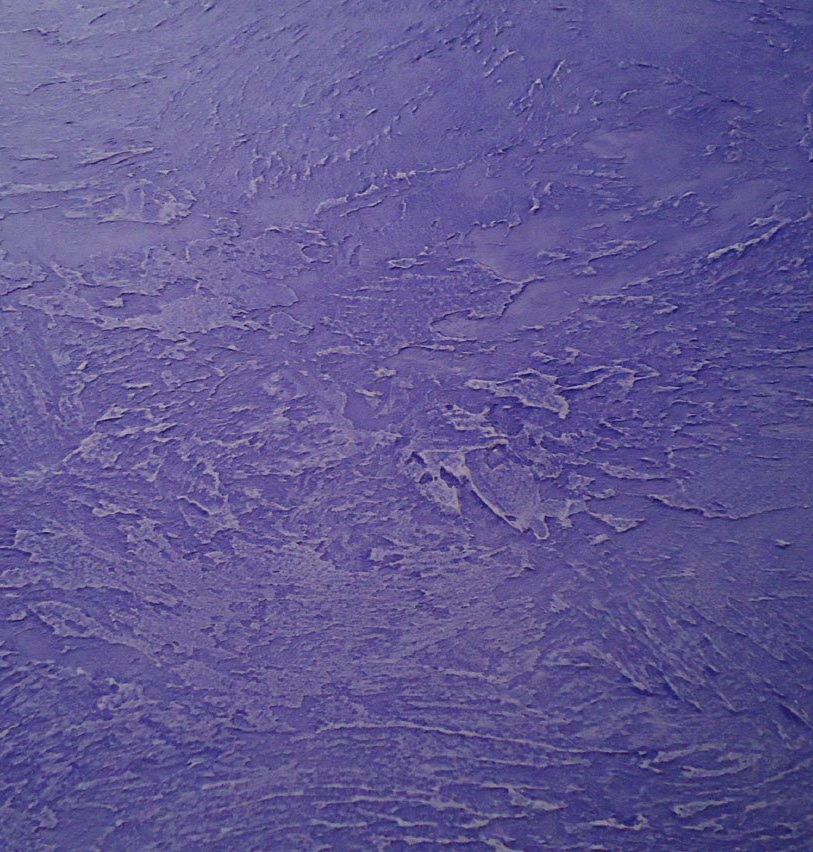
Resin walls can be customised with pigments, metallics, or textured effects for a unique look. For best results, clean surfaces gently with a damp microfibre cloth. Regular dusting will preserve the clarity and gloss of your resin finish, and avoid using abrasive cleaners that might dull the surface.
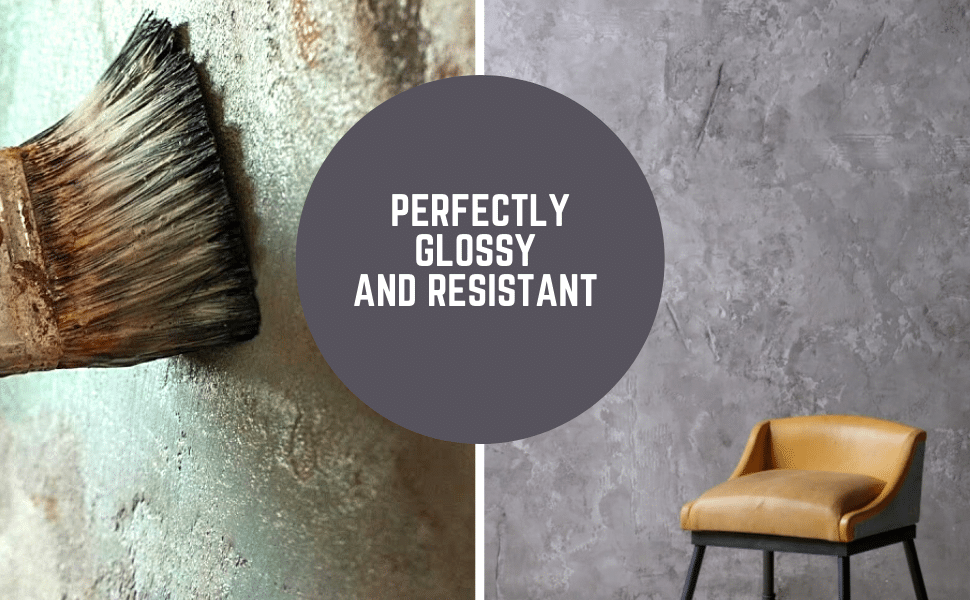
- "Vertical Glass" – Thick Resin Decorative Wall CoatingPrice range: £128.85 through £179.85"Vertical Glass" epoxy resin wall coating provides a waterproof, customisable finish suitable for vertical and sloping surfaces in interior settings.
- Resin & Paint Application Rollers – Short-Pile, Large, and Sponge TypesPrice range: £3.45 through £4.85Rollers designed for precise and even application of epoxy resin on surfaces, suitable for detailed and broad resin projects.
 "Art Pro Deluxe" – Ultra-High Viscosity Epoxy Resin for ArtistsPrice range: £33.85 through £287.85Art Pro Deluxe is an ultra-high viscosity epoxy resin designed for artists seeking precise control and scratch-resistant, glossy finish layers.
 "Trasparente" – Multipurpose Clear Epoxy Resin for Casting – Up to 2cmPrice range: £8.45 through £948.85An ultra-clear multipurpose casting epoxy resin suitable for layers up to 2cm, offering a glossy, self-levelling finish for detailed castings and DIY…
Frequently Asked Questions
What type of resin is best for vertical walls?
Epoxy resins formulated for vertical application, such as those with a thick consistency, are ideal because they minimise drips and allow better control. Products like "Vertical Glass" – Thick Resin Decorative Wall Coating are specifically designed for this purpose.
How can I avoid resin drips or runs on a wall?
Avoid applying excessively thick layers when working vertically, and choose a high-viscosity resin for optimal control. Always start application from the top and work your way down, using the appropriate rollers or spatulas for even spreading.
What’s the best way to get a smooth, glass-like finish?
Careful surface preparation, correct resin mixing, and even roller application help achieve a flawless finish. For ultra-clear gloss, use "Trasparente" – Multipurpose Clear Epoxy Resin for Casting – Up to 2cm in thin coats. Address any bubbles promptly before curing begins.
How do I safely work with resin indoors?
Ensure excellent ventilation, use gloves and protective clothing, and strictly follow all safety advice from the resin manufacturer. Keep pets and children away during application and curing.
Can I apply resin over tiles or previously painted walls?
Yes, provided the surface is properly cleaned, degreased, and lightly sanded to create adhesion. Resin is suitable for most stable surfaces like cement, wood, bricks, and tiles.
What should I do if bubbles or dust contaminate the resin?
Careful mixing and a dust-free environment reduce this risk. Minor imperfections after curing can be sanded and, if needed, a fresh layer of resin can be applied for a perfect finish.