 Free shipping on orders over £29,85
  Shipping Tracking!


 Google
 Facebook
← Back to How can I apply resin to a wall?
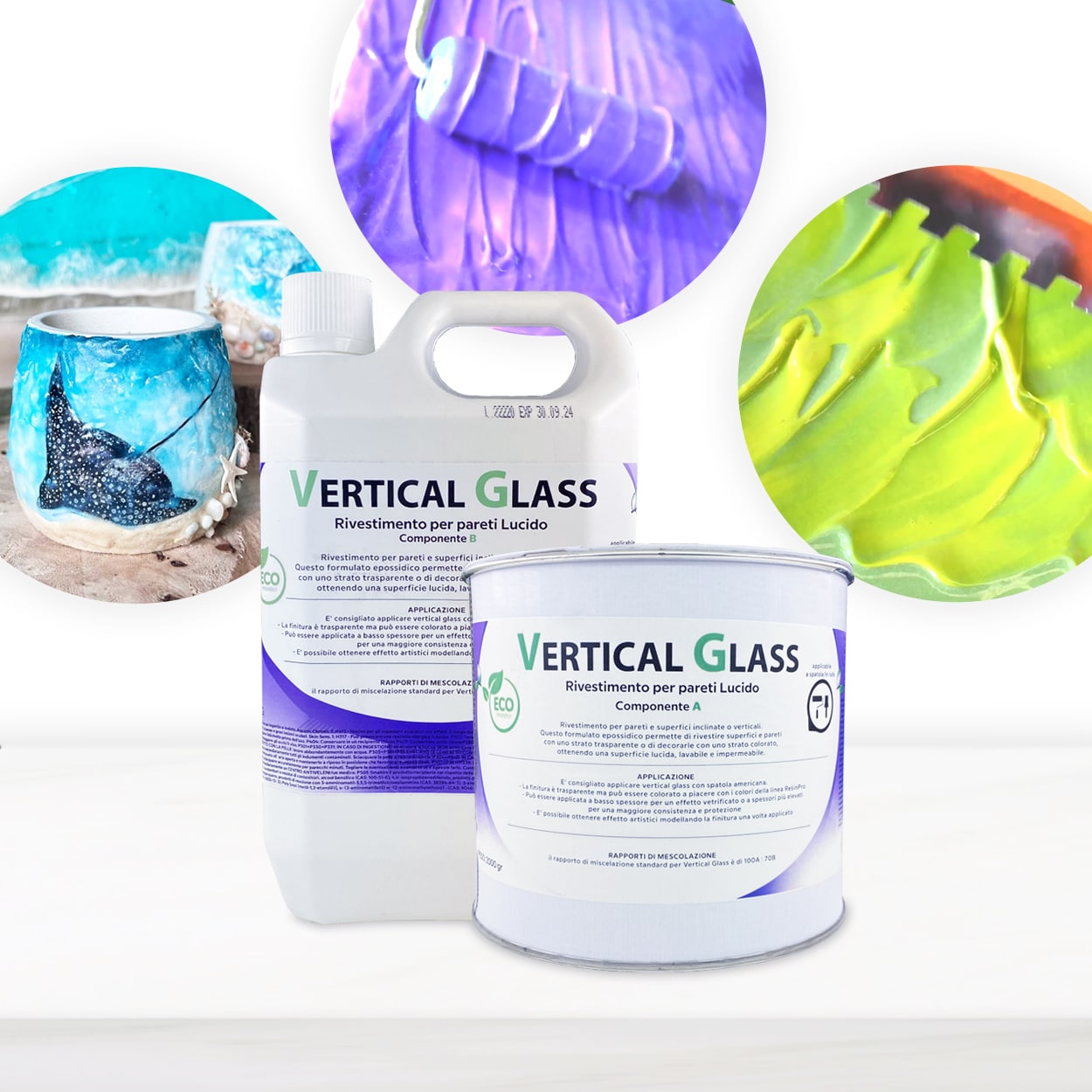
Before applying resin to a wall, proper surface preparation is vital for achieving a stable, long-lasting finish. A clean, dry, and debris-free wall provides the foundation needed for the resin to adhere securely.
Why Clean Surfaces Are Essential
Any dust, oil, or loose material left on the wall can compromise adhesion, leading to patchy or peeling finishes. Resin relies on a stable, solid base—contaminants act as barriers between the wall and the coating. Taking the time to remove surface impurities will help your wall coating withstand everyday wear whilst maintaining a seamless, attractive appearance.
Step-by-Step Preparation Guide
- Remove dust and debris: Wipe the wall with a dry microfibre cloth, then use a vacuum or a slightly damp cloth if needed—make sure the wall dries completely.
- Eliminate oil and grease: Degrease areas prone to contamination (like kitchen walls) with a mild, residue-free cleaner suitable for the surface material.
- Check for loose materials: Scrape away flaking paint or plaster and sand any rough patches to create a firm, even base. Fill holes or cracks and allow repairs to dry before proceeding.
- Prime if recommended: Highly porous or non-uniform surfaces often benefit from a dedicated primer such as Epoxyprimer to improve bonding and durability.
When This Matters Most
Thorough preparation is especially important for high-moisture areas, such as kitchens or bathrooms. Residual moisture or hidden residue can prevent resin coatings from fully sealing the wall, reducing the expected water resistance and longevity.
Related products
Related guides
Getting the basics of surface prep right lays the groundwork for a resilient, beautiful resin wall coating. For step-by-step methods and to explore the best resin products for wall applications, see our main guide on how to apply resin to a wall.