 Free shipping on orders over £29,85
  Shipping Tracking!


 Google
 Facebook
← Back to How do you apply resin on wood?
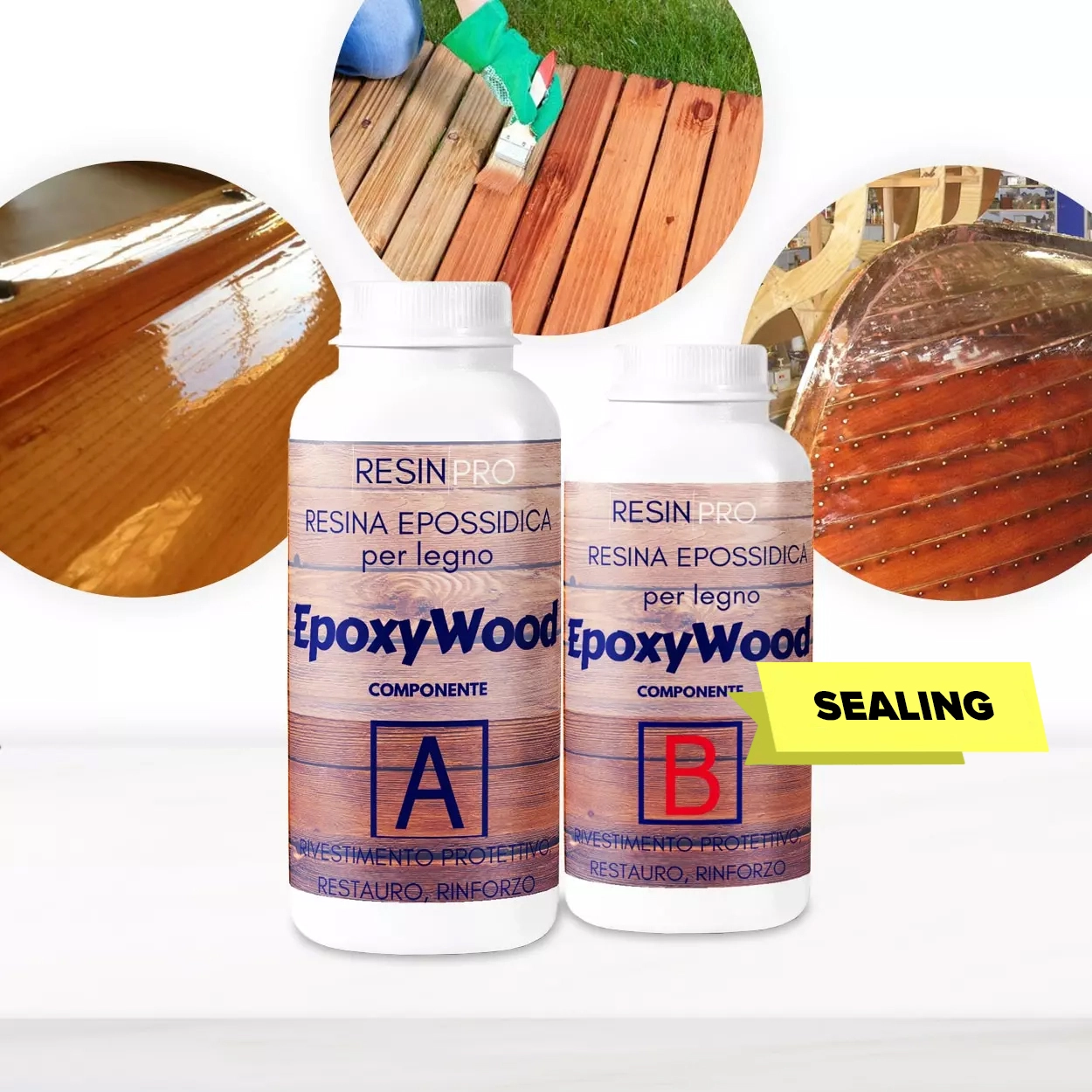
When working with resin and wood, sealing the surface first is a crucial step that often determines the clarity and quality of your final result. Not only does it help prevent unsightly bubbles, but it also ensures your resin adheres smoothly to the wood beneath.
Why Sealing Wood Matters
Wood is naturally porous, meaning it can trap air and release it into the wet resin. This leads to trapped bubbles and imperfections as your project cures. By sealing the wood, you create a barrier that blocks air from escaping and allows the resin to settle into a glass-like finish. Sealing is especially important for softer or open-grained woods that tend to absorb more resin and air.
How to Properly Seal Wooden Surfaces
- Choose your sealer: A thin layer of diluted epoxy resin or a dedicated wood sealing product works best. Products like EpoxyWood offer deep penetration for excellent reinforcement and waterproofing.
- Surface prep: Sand the wood smooth and ensure it is clean and completely dry before applying any sealant.
- Application: Apply the sealer with a brush or roller, ensuring you coat edges and grain openings. Allow the layer to cure fully before proceeding with your main resin pour.
When Sealing is Essential
Proper sealing is particularly important for live-edge slabs, reclaimed timber, and wood with knots or large grain. If you’re planning a deep resin pour or want a flawless, bubble-free finish on items like coasters, river tables, or decorative art, sealing beforehand is strongly advised.
Related products
Related guides
Sealing your wood before applying resin is a simple but vital step for ensuring a beautiful, lasting finish. For more tips on the full resin application process, visit our main guide on applying resin on wood.