 Free shipping on orders over £29,85
  Shipping Tracking!


 Google
 Facebook
How do you apply resin on wood?
Expert steps for a smooth and durable wood resin finish
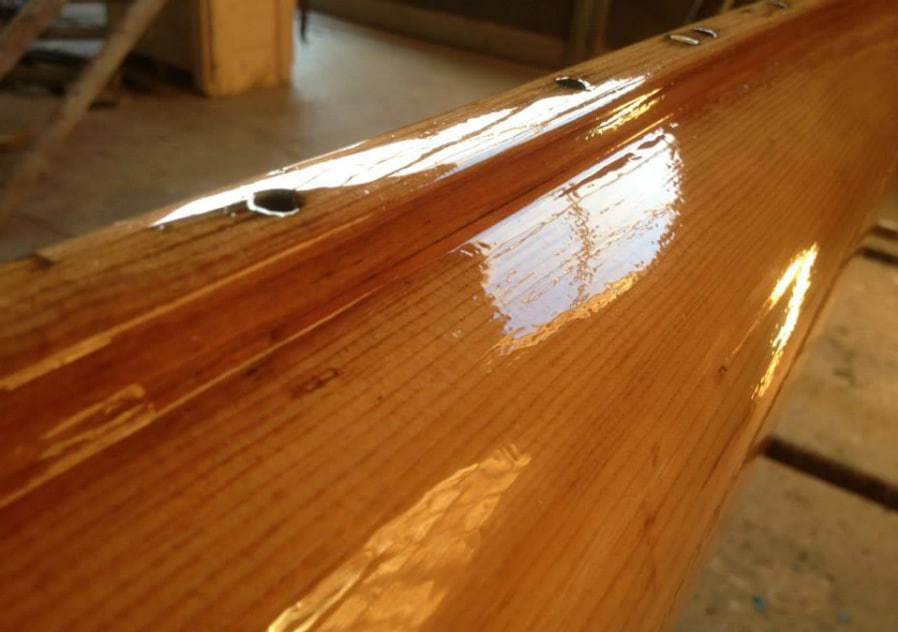
Applying resin on wood unlocks beautiful, durable finishes that enhance furniture, decorative pieces, and creative projects. Whether you are aiming for a glossy protective coat or a statement artistic finish, mastering the technique ensures your results look professional and last for years. This guide explains the key steps, from preparation to curing, so you achieve a flawless result every time.
What You’ll Need
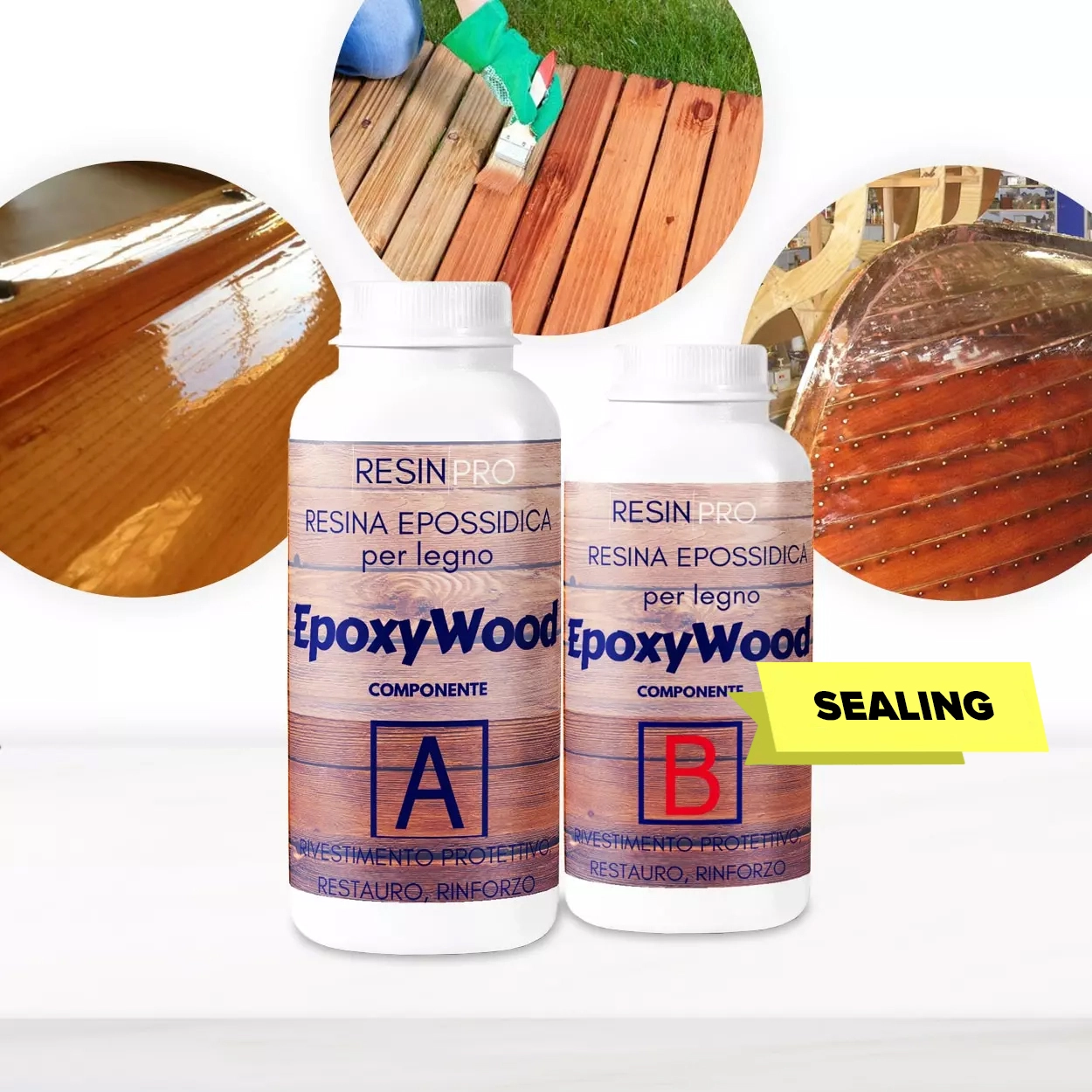
- “EpoxyWood” – Wood Restoration Epoxy Resin for Deep Penetration and Waterproofing: An epoxy resin made to deeply penetrate and reinforce wooden surfaces while waterproofing them.
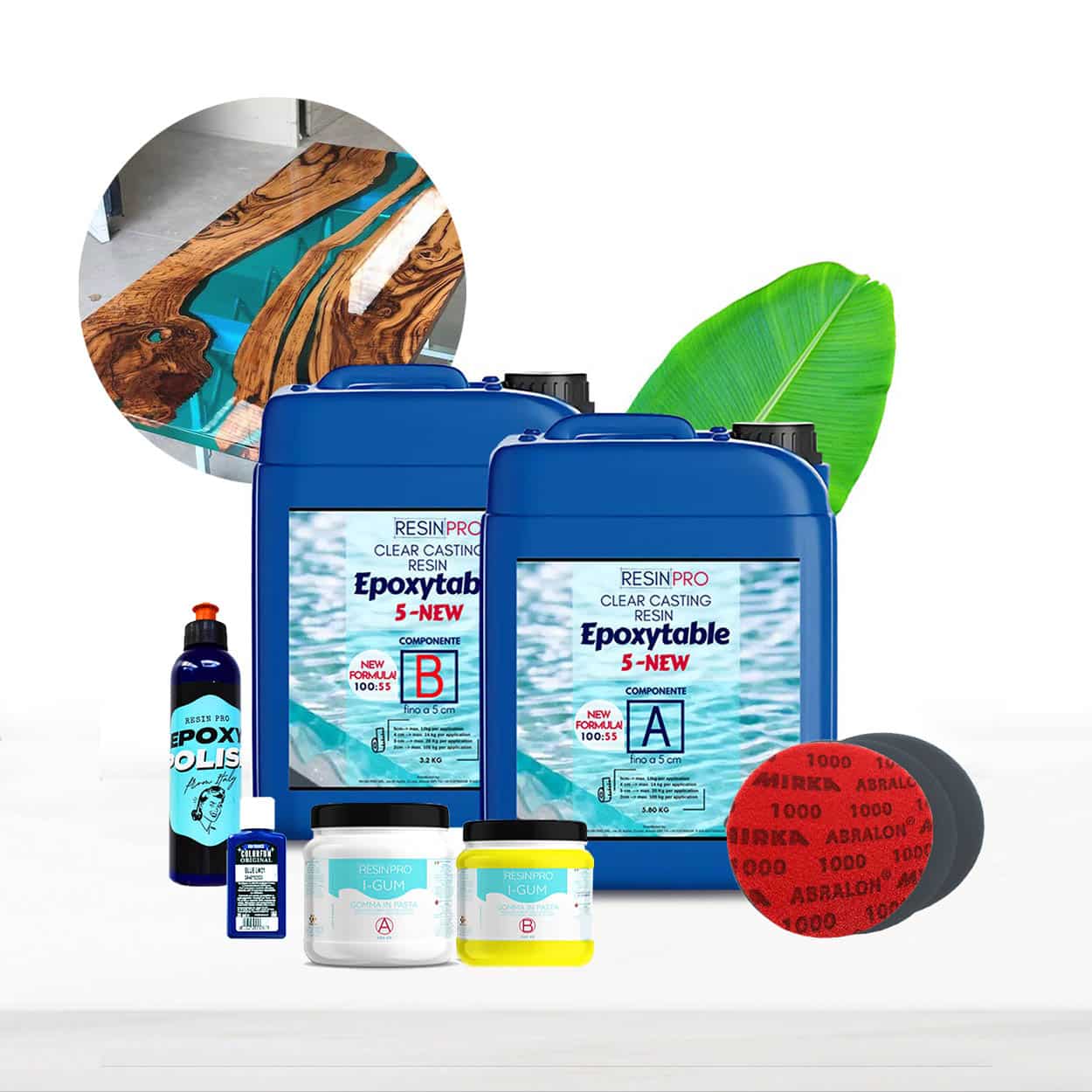
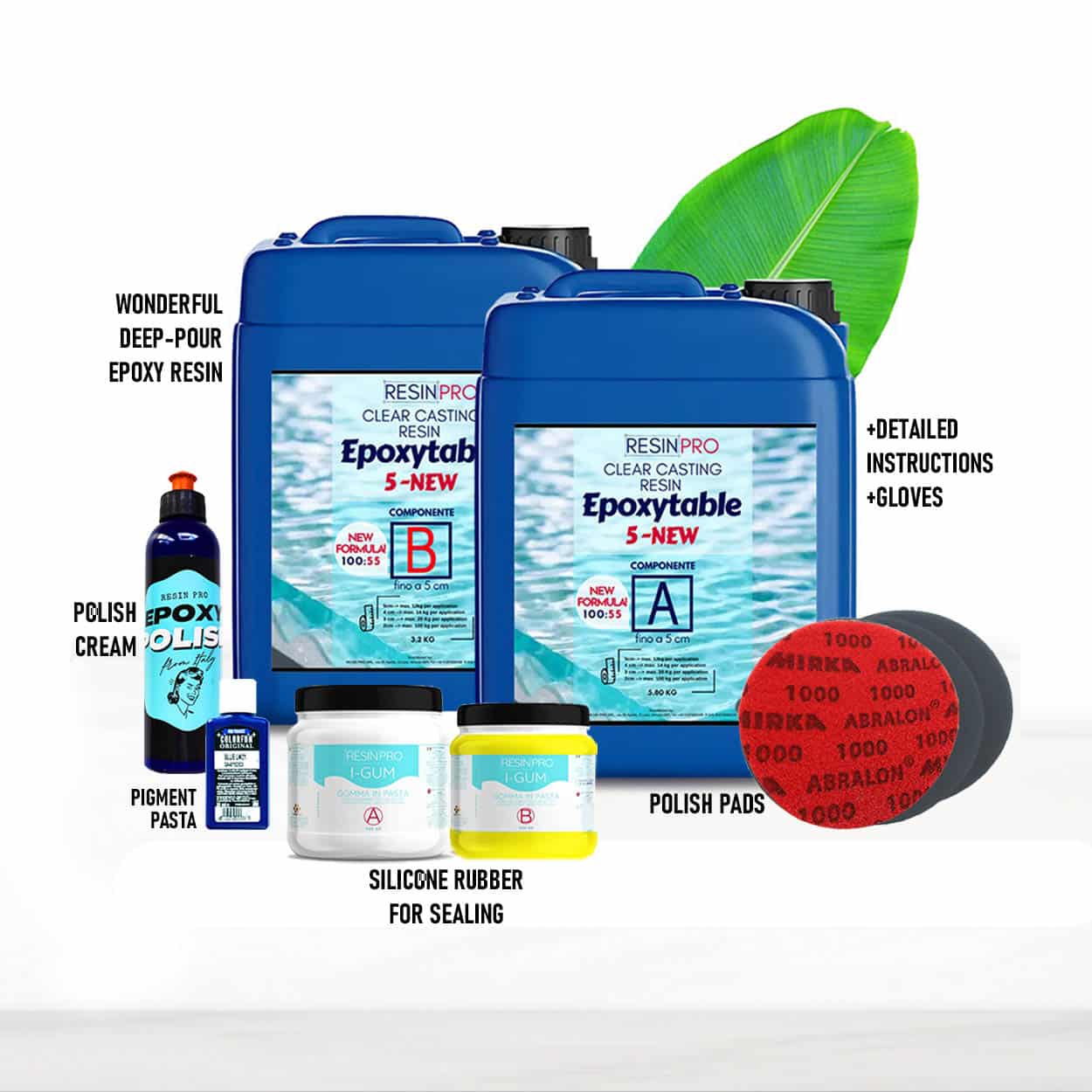
- “River-Table” – Complete Kit for Creating Your First Epoxy Resin Table: Ideal for beginners who want all the essentials to combine wood and resin in tables and crafts.
- “Art Pro” – Clear Epoxy Resin for Artists and Surface Coating: Perfect for creating high-gloss, durable surface coatings on decorative wood objects.
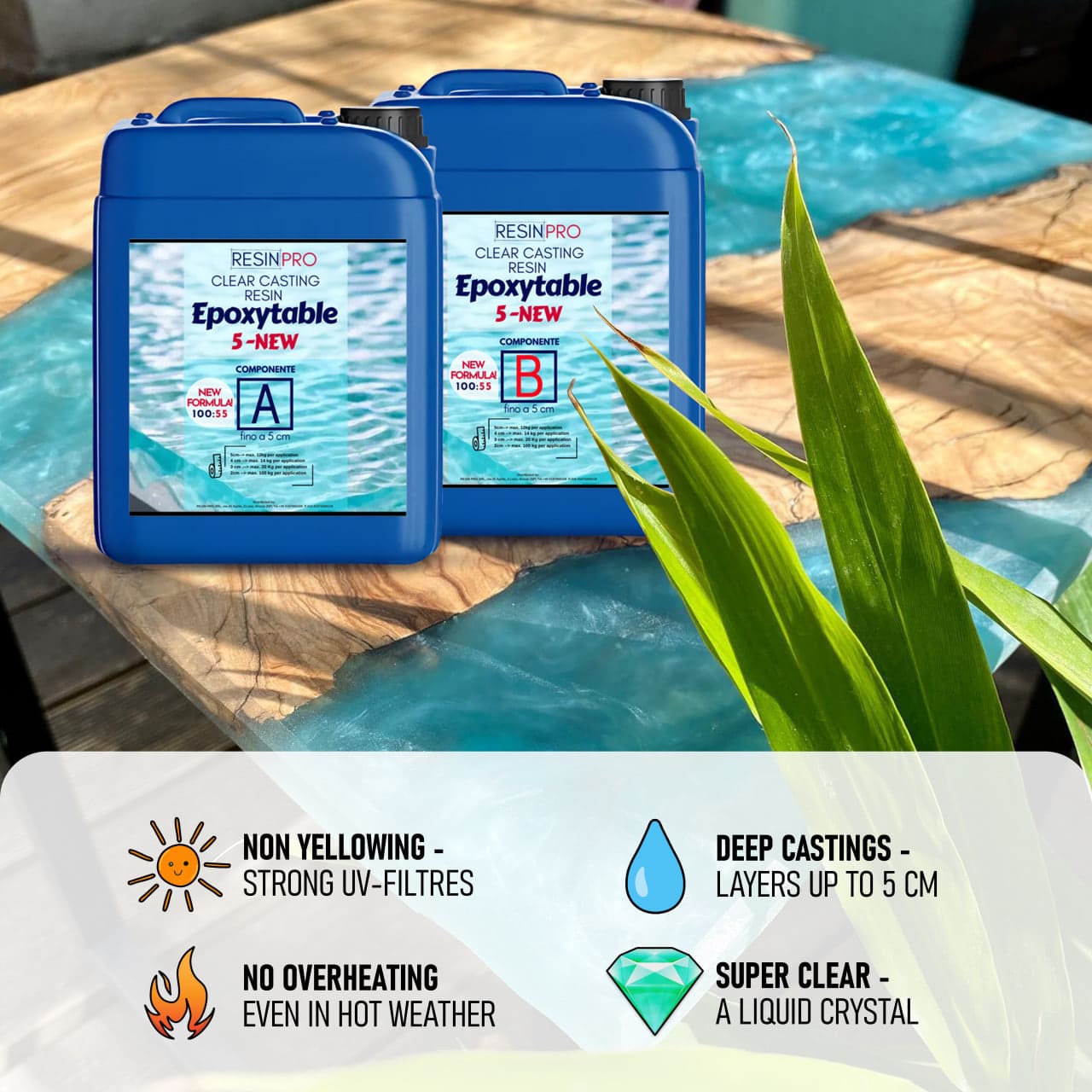
- “Trasparente” – Multipurpose Clear Epoxy Resin for Casting – Up to 2cm: For detailed castings or thick glossy finishes on wood up to 2cm in depth.
- Sandpaper (various grits), masking tape, mixing sticks, plastic measuring jugs, nitrile gloves, drop sheets, and a level workspace.
Essential Tools and Workspace Set-Up
Lay down drop sheets to protect your work area, and assemble gloves, mixing containers, and sandpaper before you start. Good preparation helps prevent spills and ensures safety throughout your project.

Step 1: Prepare the Wood Surface
Preparation is the foundation of a smooth, professional resin finish. Start by sanding the wood with medium to fine grit sandpaper to remove rough spots, old finishes, and imperfections. Gradually work up to a finer grit for a silky surface. Wipe away dust with a lint-free cloth and ensure there is no residue left behind.
Always ensure the wood surface is completely dry before applying any resin. Moisture trapped within the wood can cause cloudiness, bubbling, or poor adhesion in the cured resin layer. Taping off edges or the underside helps contain the resin and prevents drips for a clean result.
Step 2: Seal the Wood (Optional but Recommended)
Sealing helps prevent air bubbles from escaping the wood into the resin. To do this, brush on a thin initial coat of resin and work it into the pores. Allow it to set until tacky or cured, depending on your intended finish. If you are restoring or waterproofing outdoor furniture or timber, “EpoxyWood” – Wood Restoration Epoxy Resin for Deep Penetration and Waterproofing deeply penetrates and reinforces the structure while sealing effectively.
For art projects, or tabletops, a thin layer of “Art Pro” – Clear Epoxy Resin for Artists and Surface Coating will provide an even, glossy base prior to the main pour.
Step 3: Mix and Pour the Resin
Carefully follow the manufacturer’s guidelines on mixing ratios, as accuracy is key to curing and clarity. Measure both resin and hardener precisely using separate graduated containers. Mix slowly and thoroughly to avoid introducing too many air bubbles.
Once your resin is ready, pour it onto the wood in a slow, controlled manner. If using a multipurpose option like “Trasparente” – Multipurpose Clear Epoxy Resin for Casting – Up to 2cm, you can pour up to 2cm thick per layer, making it suitable for larger wooden items or artistic casting. Use a spreader or brush to distribute the resin, and gently pop any bubbles with a heat gun if required.

Step 4: Level, Protect, and Allow to Cure
Once poured and levelled, keep your project on a protected, flat surface, free from dust and debris. Covering the area gently with a box or dome can shield it from contaminants while it cures. Curing times will vary depending on the resin used; check the product specifications for exact timings and avoid moving the piece prematurely.
Resin will emphasise and magnify every flaw in the wood surface. Address scratches, cracks, and sanding marks before pouring. As the resin sets, avoid touching or disturbing the layer, and keep the area at a steady temperature for optimal results.
Step 5: Finishing Touches and Polishing
Once the resin has fully cured, carefully remove any masking tape and inspect the edges. If there are drips or rough spots, smooth them with fine sandpaper. For glass-like shine on decorative pieces or tabletops, a polish designed for resin surfaces can be gently buffed on with a soft cloth or polishing pad.
If you are following a kit such as the “River-Table” – Complete Kit for Creating Your First Epoxy Resin Table, finishing components are included for extra convenience and a professional result.
Tips and Common Mistakes to Avoid
Allow for adequate ventilation throughout the working and curing process. Always wear gloves and work in a well-ventilated area for safety.
Avoid over-mixing, which introduces excessive bubbles, and pour slowly to keep the finish smooth. Don’t rush the curing process—moving or sanding uncured resin can damage your work and jeopardise the finish.
Protect from dust, insects, and sudden temperature changes after pouring. Taking time with each stage safeguards the final appearance and durability of your project.
Ideal Curing Conditions for a Crystal Clear Finish
Stable temperature, low humidity, and dust-free surroundings are key for curing resin beautifully on wood. Cover your project once poured and avoid sudden movements or gusts of air in the room.
- "EpoxyWood" – Wood Restoration Epoxy Resin for Deep Penetration and WaterproofingOriginal price was: £64.00.£39.85Current price is: £39.85."EpoxyWood" is designed for restoring and waterproofing wood with a natural finish, suitable for professional and DIY use.
- "River-Table" – Complete Kit for Creating Your First Epoxy Resin TablePrice range: £188.85 through £444.85Kit including epoxy resin, silicone sealant, pigment and polishing kit designed for creating wood and resin tables with detailed instructions.
 "Art Pro" – Clear Epoxy Resin for Artists and Surface CoatingPrice range: £31.15 through £388.85Art Pro offers a clear, durable epoxy resin suitable for artists and crafters aiming for glass-like finishes on decorative surfaces.
 "Trasparente" – Multipurpose Clear Epoxy Resin for Casting – Up to 2cmPrice range: £8.45 through £948.85"Trasparente" is a clear epoxy resin suitable for detailed castings and woodworking projects with up to 2cm layer thickness.
Frequently Asked Questions
Do I need to seal wood before pouring resin?
Sealing is highly recommended, especially for porous woods, to prevent air bubbles from rising and creating imperfections in your resin finish. A quick coat of diluted resin or a dedicated wood sealer will help achieve optimal results.
How do I prevent bubbles in my resin coating?
To minimise bubbles, seal the wood first, mix resin slowly, and pour with care. Gently using a heat gun or torch can help bubbles rise and pop. Always pour in a dust-free environment.
What is the ideal temperature for applying resin on wood?
Room temperatures between 18°C and 24°C are best. Low temperatures can slow curing and increase viscosity, while high temperatures may accelerate curing too quickly, causing defects.
Can I sand and polish resin after it cures?
Yes, fully cured resin can be sanded with fine grit paper and then polished to a glossy finish. Polishing creams designed for resin surfaces provide superior shine and clarity.
Why did my resin turn cloudy or develop surface issues?
This may result from trapped moisture, inadequate mixing, or environmental humidity. Always prepare the wood thoroughly and strictly adhere to mixing instructions.
How thick should each layer of resin be when coating wood?
This depends on the specific resin. Some will handle up to 10 mm, others up to 2 cm in a single pour. Always follow manufacturer guidelines to avoid overheating or improper curing.