 Free shipping on orders over £29,85
  Shipping Tracking!


 Google
 Facebook
← Back to How to apply resin on wooden objects?
Proper surface preparation plays a crucial part in achieving a smooth, durable resin finish on wood. Sanding your wood before applying resin is a key step that greatly impacts the final result.
Why Sanding Matters for Resin Adhesion
Resin works best when it can form a strong bond with the wood. Sanding removes surface irregularities, oils and old finishes, creating a clean, even texture for the resin to grip. This not only improves adhesion but also helps create an attractive, glass-like surface after curing. Unsanded wood may repel resin, causing poor coverage or an uneven look.
Best Practices for Sanding Before Resin Application
- Start with medium-grit sandpaper (around 120–180 grit) to smooth imperfections and remove old coatings.
- Finish with fine-grit sandpaper (220 grit or above) to prepare a silky base for clear resins.
- Remove dust thoroughly after sanding with a vacuum or tack cloth. Any debris left will show beneath the resin.
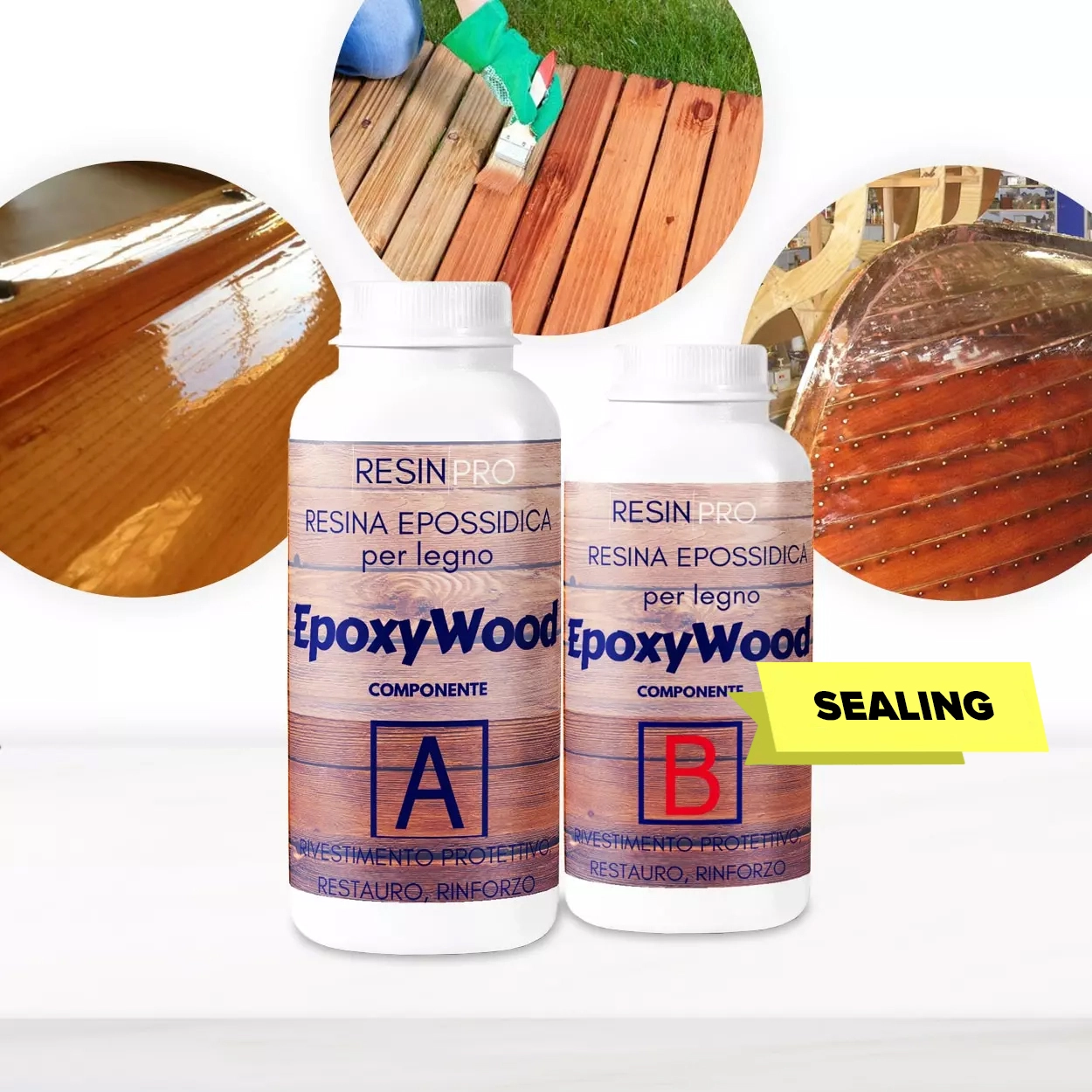
Following these steps provides a perfect foundation for products like EpoxyWood – Wood Restoration Epoxy Resin, helping the product deeply penetrate and protect the timber.
When Sanding is Especially Important
Sanding matters most for untreated or weathered wood, restoring projects, or where clear resin highlights the wood grain. Skipping this step can result in a blotchy finish or reduced durability, especially on surfaces that will see regular use.
Related products
Related guides
Ensuring your wood is sanded before applying resin guarantees a strong bond and a refined, professional outcome. For full guidance on working with resin and timber, see our main guide: How to apply resin on wooden objects.