 Free shipping on orders over £29,85
  Shipping Tracking!


 Google
 Facebook
How to apply resin on wooden objects?
Essential steps and expert tips for sealing, coating, or restoring wood


Applying resin to wooden objects is an excellent way to preserve, waterproof, and elevate the natural beauty of timber. Whether you want to revitalise furniture, create glossy art pieces, or make decorative trays, this guide will help you achieve a professional resin finish on wood. Follow these step-by-step instructions for long-lasting, attractive results while avoiding common pitfalls along the way.
What You’ll Need
- “EpoxyWood” – Wood Restoration Epoxy Resin for Deep Penetration and Waterproofing: Perfect for deep sealing and restoring wood fibres.
- “Icrystal” – Clear Epoxy Resin – Odourless Formula – Up to 1.5cm: Ideal for transparent, durable coatings on decorative surfaces.
- “Trasparente” – Multipurpose Clear Epoxy Resin for Casting – Up to 2cm: Great for thicker, clear finishes or castings.
- “Art Pro” – Clear Epoxy Resin for Artists and Surface Coating: Best for artistic glass-like coatings that need exceptional clarity.
- Mixing containers and sticks
- Protective gloves and mask
- Sanding paper (various grits, usually 120–400)
- Brush, foam roller or spreading tool
- Plastic sheet or drop cloth (to protect work area)
Visual Guide: Preparing and Mixing Resin on Wood
See each step in action: From sanding raw timber to mixing resin components, these visuals demonstrate the crucial preparation work. Notice the importance of even sanding and careful measuring for mixing ratios, which lay the foundation for a professional-quality finish on any wooden item.

Step 1: Prepare the Wooden Surface
Ensure wood is clean, dry, and sanded before resin application. Remove all dust, oil, old varnishes, or waxes as these can prevent proper adherence and penetration of the resin. If the wood is rough, sand it down with progressively finer grits until smooth. Wipe all sanding residue away thoroughly. Pay special attention to corners and edges, as these are prone to uneven coating if not prepped properly. Allow the wood to fully dry before proceeding, especially if it was previously damp.
Proper preparation at this stage helps guarantee lasting adhesion and a flawless finish once the resin is applied.
Step 2: Set Up Your Working Area and Materials
Apply resin in a dust-free, well-ventilated environment. Lay down a plastic sheet or drop cloth to protect your workspace. Ensure ambient temperature is within the range recommended for your chosen resin. Gather all required tools and wear protective gloves and a mask to prevent skin contact or inhalation of vapours during mixing and pouring. Keep pets, open flames, and food away from the area until the project is complete and fully cured.
Good organisation minimises the risk of errors or contamination, leading to more professional results.
Step 3: Mix and Apply the Resin Coating
Mix resin components thoroughly and according to ratios. Follow the product specifications for mix ratios—resins like “Art Pro” – Clear Epoxy Resin for Artists and Surface Coating use a 3:2 ratio by weight, while “Icrystal” – Clear Epoxy Resin – Odourless Formula – Up to 1.5cm requires a 2:1 ratio. Mix slowly to reduce bubbles, ensuring all parts are fully combined.
Pour or brush resin evenly to achieve desired coverage. For deep penetration or wood restoration, use “EpoxyWood” – Wood Restoration Epoxy Resin for Deep Penetration and Waterproofing and allow it to soak into the wood fibres before wiping away the excess. For surface coating, pour or brush a thin, even layer using your chosen clear resin. Work methodically from one end to the other and pay close attention to edges.

Step 4: Remove Bubbles and Allow to Cure
Any bubbles that appear can be removed by gently passing a heat gun or torch above the surface once the resin is in place. Do not hold the heat source too close, as excessive heat may damage the wood or discolour the resin.
Allow full curing time to ensure long-lasting results. Follow the manufacturer’s guidelines for drying and curing times—some resins cure within hours, others require up to two days. Keep your piece dust-free and untouched until fully set. For layered finishes, make sure to allow appropriate curing between coats, as with “Trasparente” – Multipurpose Clear Epoxy Resin for Casting – Up to 2cm, where thicker pours may need staged application.

Finishing Touches and Care Tips
Once fully cured, inspect the resin surface for any imperfections, drips, or dust. Any rough spots can be sanded lightly with a high-grit sanding paper and re-coated if needed for a smoother high-gloss effect. Avoid exposure to direct sunlight or moisture until the resin is completely hardened; some resins offer UV protection, but long-term care will extend the beauty of your woodwork.
Regular maintenance—gentle cleaning and avoiding abrasive scouring—will ensure your resin-coated wooden item remains beautiful and durable for years.
Example Results: Resin-Coated Wood Projects
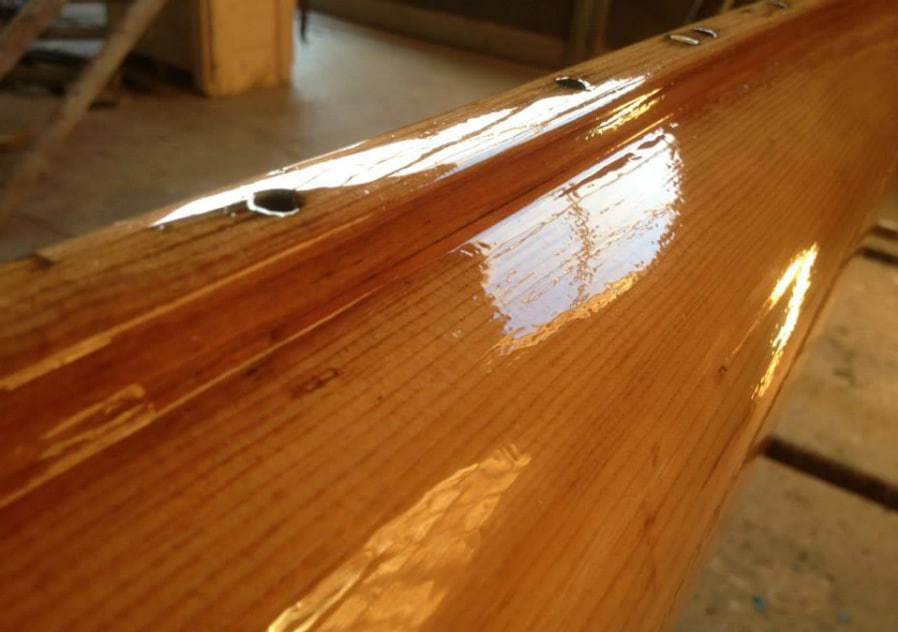
Finished examples illustrate: The difference a quality resin coating makes on furniture, art boards, and decorative trays. Observe the clarity, depth, and lasting appeal achieved by following best practice for application and curing. Get inspired for your next woodworking or crafting project!
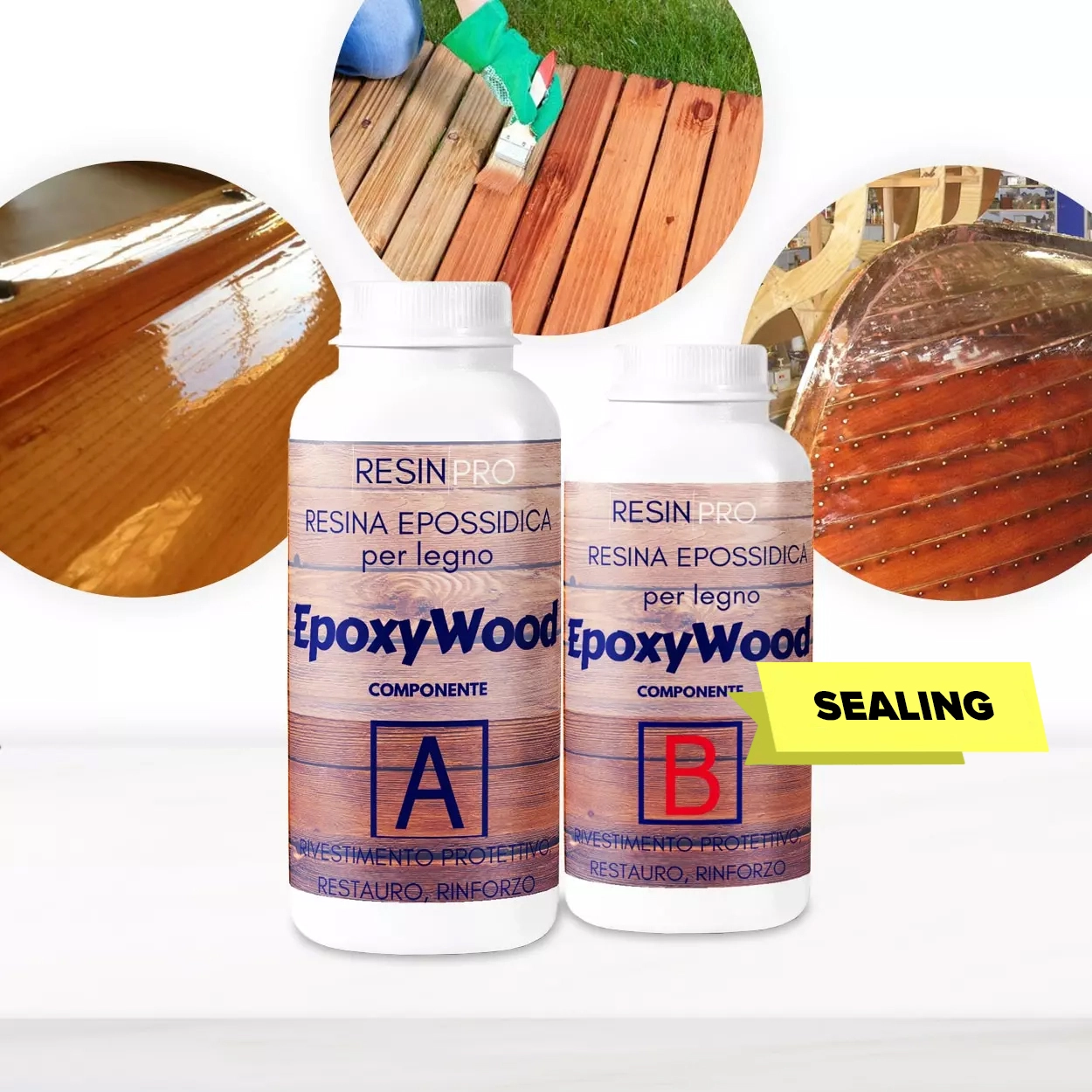
- "EpoxyWood" – Wood Restoration Epoxy Resin for Deep Penetration and WaterproofingOriginal price was: £64.00.£39.85Current price is: £39.85."EpoxyWood" is designed for deep penetration and waterproofing of wooden surfaces, suitable for restoring and protecting wood.
- "Icrystal" – Clear Epoxy Resin – Odourless Formula – Up to 1.5cmPrice range: £11.65 through £954.85"Icrystal" Clear Epoxy Resin offers good quality with easy use and clarity, suitable for transparent coating on wooden surfaces.
 "Trasparente" – Multipurpose Clear Epoxy Resin for Casting – Up to 2cmPrice range: £8.45 through £948.85"Trasparente" is an ultra-clear epoxy resin suitable for detailed castings and woodworking projects with up to 2cm layers, matching the wooden…
 "Art Pro" – Clear Epoxy Resin for Artists and Surface CoatingPrice range: £31.15 through £388.85"Art Pro" clear epoxy resin delivers a non-toxic, durable coating with exceptional clarity suited for artistic projects under the theme of How to…
Frequently Asked Questions
Is any epoxy resin suitable for wooden surfaces?
Not all epoxies are formulated for wood. Choose a resin designed for wood to ensure proper adhesion and finish.
Do I need to sand wood before applying resin?
Yes, sanding ensures the resin bonds well and produces a smooth, attractive finish on the wood.
How can I remove bubbles from resin on wood?
Lightly pass a heat gun or torch above the surface after pouring to release trapped air bubbles.
What type of resin is best for wood?
Deep-penetration resins are best for restoration, while clear coating resins provide a glossy, protective layer.
How long does resin take to cure on wood?
Cure times vary by product but typically range from 12 hours to 48 hours depending on thickness and temperature.
What if there are imperfections after curing?
Lightly sand flawed areas and apply another resin layer for a smoother, flawless surface.