 Free shipping on orders over £29,85
  Shipping Tracking!


 Google
 Facebook
How do you apply two-component polyester resin on plastic materials?
Applying two-component polyester resin to plastic materials is a reliable way to reinforce, repair, or waterproof damaged surfaces. This guide walks you through the essential preparation, application, and finishing steps to achieve a durable and seamless bond, whether you are fixing a crack in a rigid plastic item or reinforcing a plastic panel. Careful technique is key for strong adhesion and a professional finish.
Step-by-step guide to strong, seamless plastic repairs

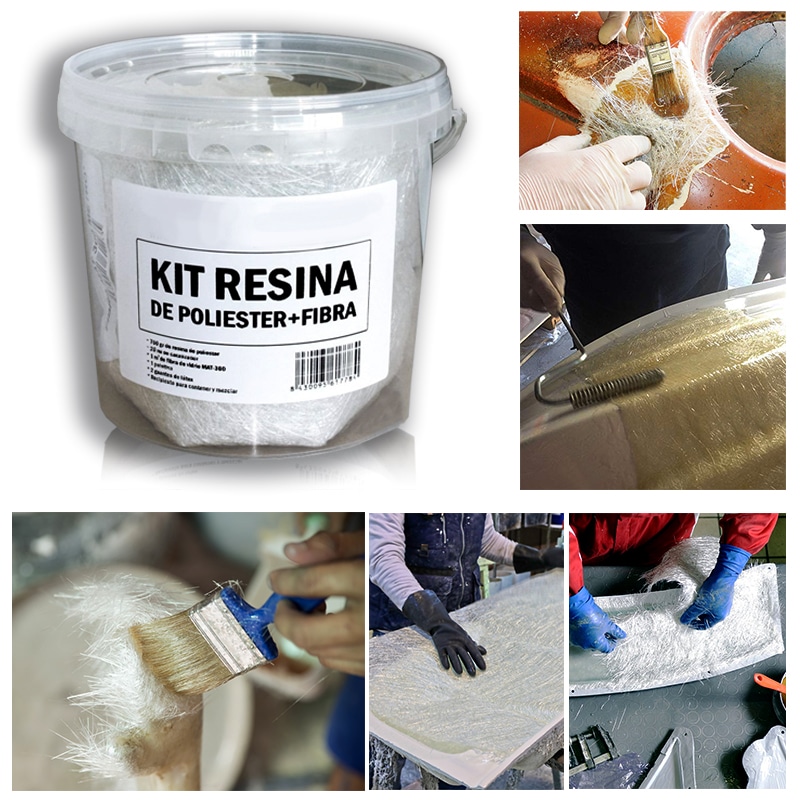
What You’ll Need
- Resin Fibreglass Repair Kit – Complete Polyester Resin and Hardener Set – For repairs and bonding on rigid plastics
- Protective gloves and safety goggles
- Fine sandpaper or abrasive pad (for surface keying)
- Lint-free cloth and suitable plastic cleaner or isopropyl alcohol
- Mixing container and stirrer (if not included in the kit)
- Brush or applicator
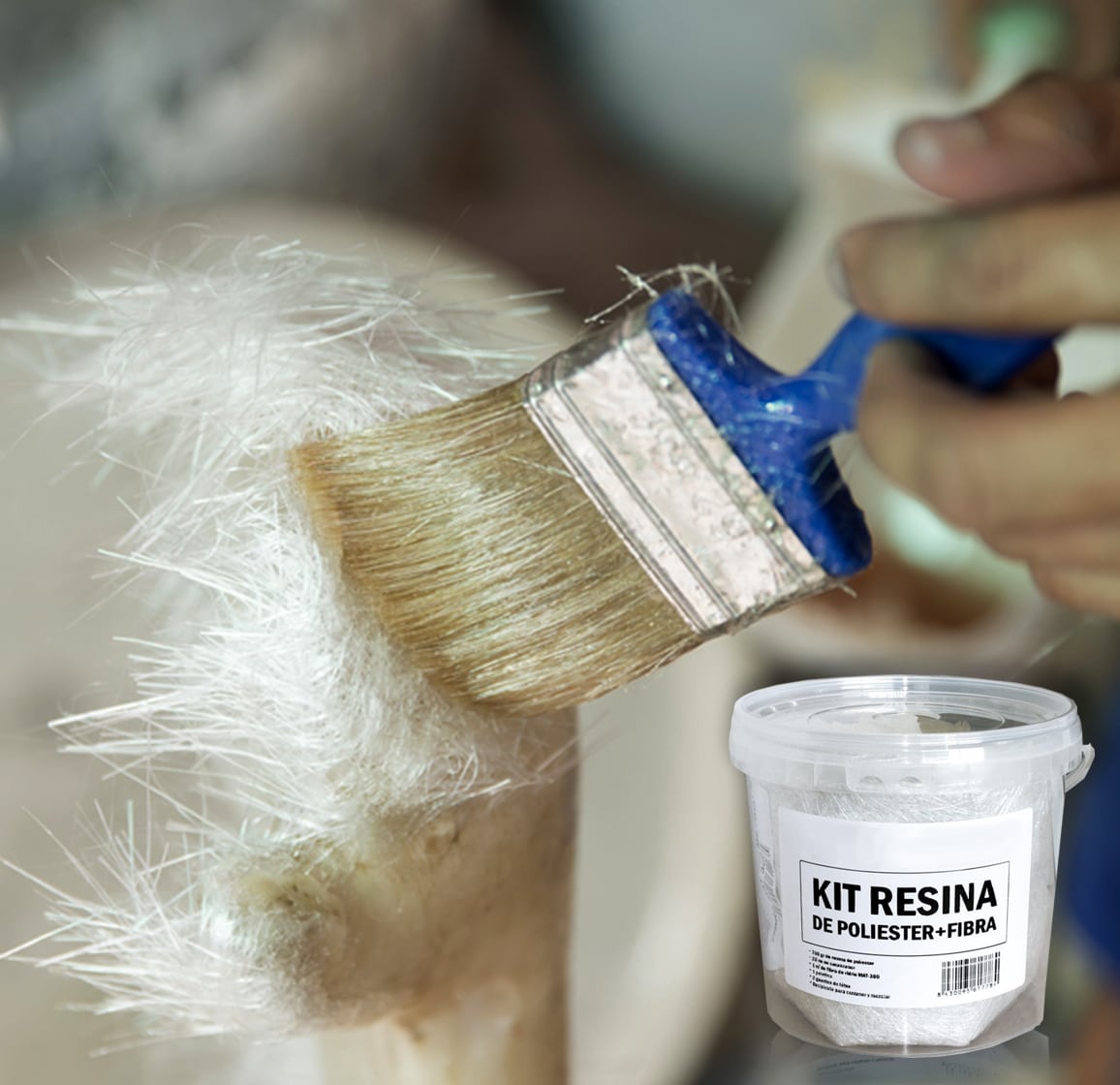
Essential Tools and Surface Prep Explained
Proper preparation and the right tools make or break your resin repair. Cleaning and abrading the surface ensures the resin can form a strong mechanical bond with the plastic beneath. Even the best resin will struggle to adhere to surfaces contaminated with oils or dust. Rely on quality kits with clear mixing containers and safety gear for smooth application every time.
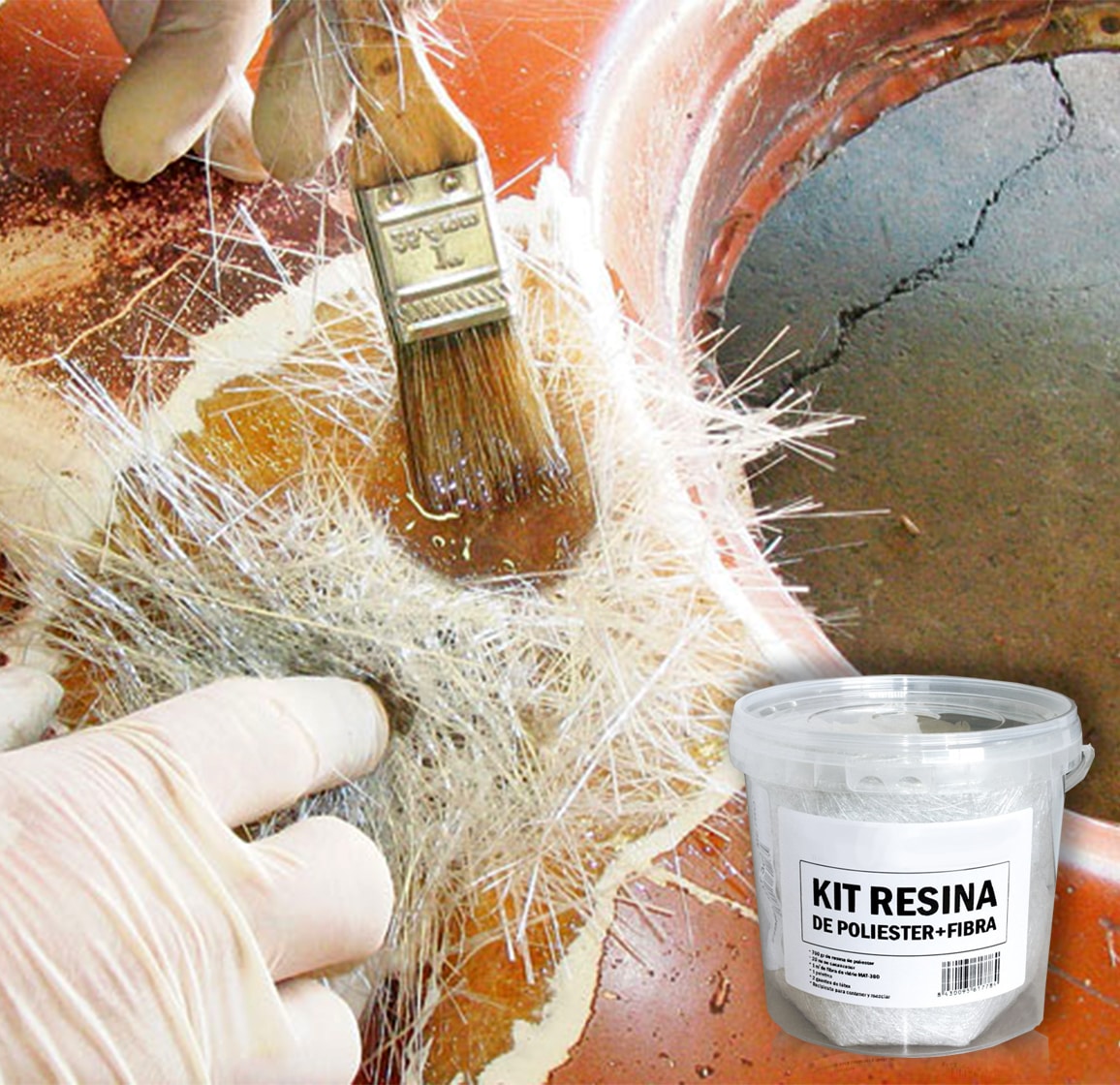
Step 1: Prepare the Surface
Always use gloves and protective eyewear to prevent skin and eye contact with resin and hardener. Begin by thoroughly cleaning the plastic with a lint-free cloth and a degreasing plastic cleaner or isopropyl alcohol. Remove all grease, dust, and debris, as contaminants can compromise adhesion.
Once the surface is dry, lightly abrade the area using fine sandpaper or an abrasive pad. Thoroughly clean and abrade the plastic surface to create a key for the resin to grip, especially for rigid plastics like ABS or polycarbonate. Wipe away all sanding dust with a cloth before proceeding.
Step 2: Measure and Mix the Resin
Read all manufacturer instructions carefully. Using your chosen kit—for example, the Resin Fibreglass Repair Kit – Complete Polyester Resin and Hardener Set—dispense the correct proportions of polyester resin and hardener. Measure and mix resin and hardener accurately in a clean container, mixing thoroughly for at least 1–2 minutes to avoid unreacted pockets.
If supplied, use the provided mixing container and stirrer (or a separate tool). Only mix the volume you can apply within the working time, as the resin will begin to cure shortly after mixing.
Step 3: Apply the Resin to the Plastic
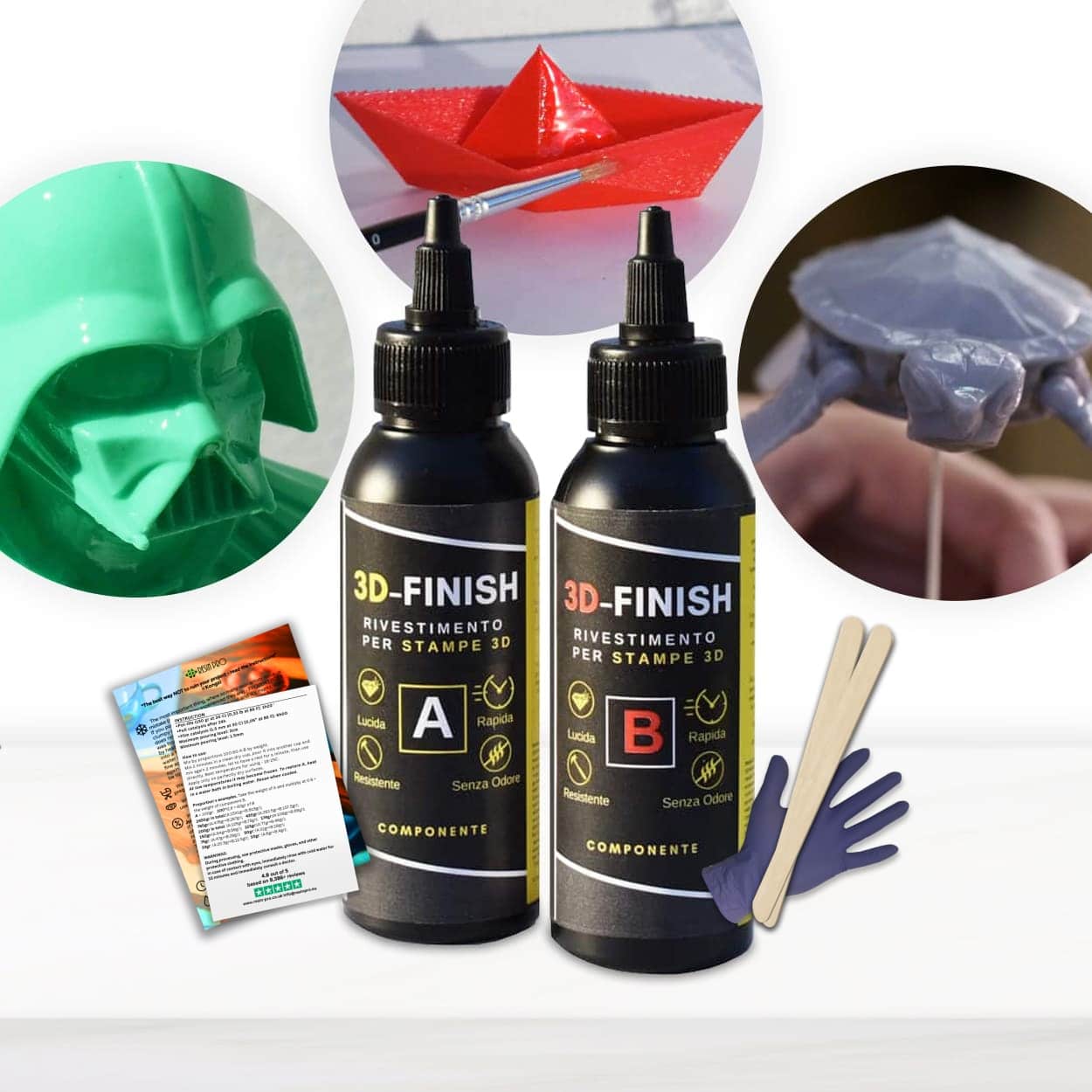
Using a brush or applicator, evenly coat the prepared plastic area with the mixed resin (and fibreglass mat if reinforcement is needed). Apply in thin, even layers for best results. Work methodically to avoid drips or uneven build-up.
Gently press down any matting to ensure full saturation with resin. Ensure edges and overlaps are thoroughly coated to form a seamless and durable bond. Work quickly, as working time is limited once mixed.
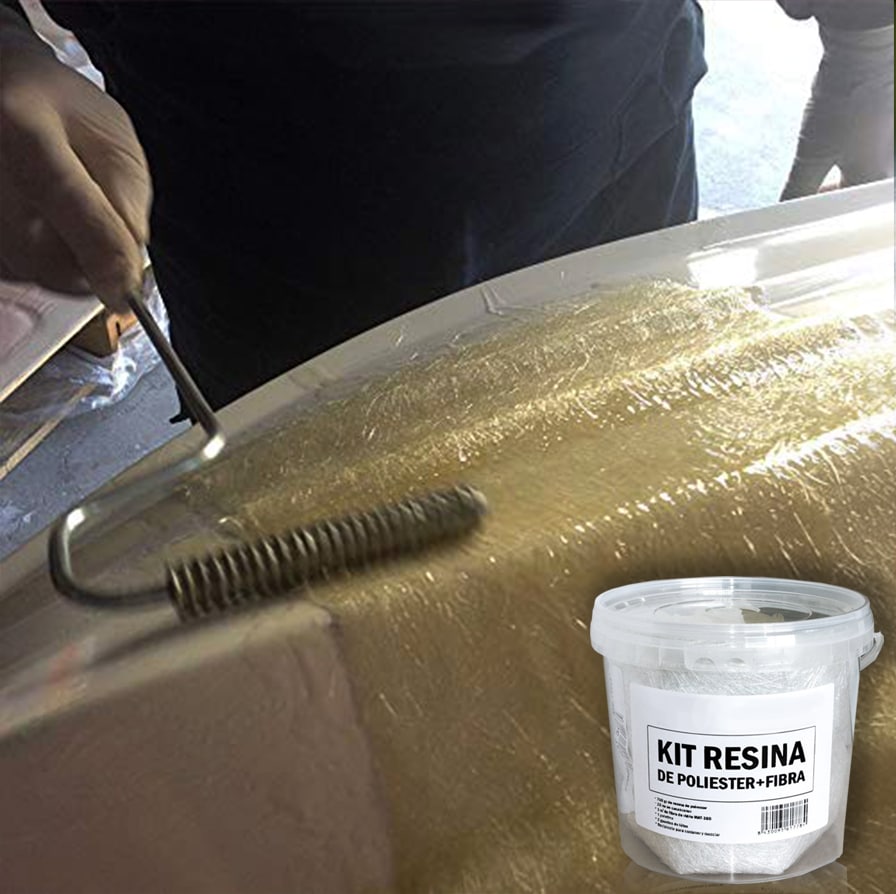
Step 4: Cure and Finish the Repair
Allow the resin to cure undisturbed at room temperature, as per the kit instructions (usually several hours). Allow full curing before handling or machining for maximum strength and waterproofing.
After full cure, sand the repair lightly if desired to smooth out the surface or prepare it for painting. Clean the area of dust and inspect your work for thorough bonding and a consistent finish.
Tips and Common Mistakes
Proper preparation is the key to a successful repair—never skip cleaning or abrasion, as even light oils or gloss can prevent adhesion. Avoid mixing too much resin at once to prevent premature gelling. If a high-gloss finish is required, consider a final sanding and topcoat once the repair has fully cured.
If you encounter issues with bonding, recheck that the plastic is rigid and compatible, as some plastics require special treatment or alternative adhesives. For best results, always follow kit instructions to the letter.
Troubleshooting and Best Practice Insights
Always allow the polyester resin to fully cure before using or finishing the item. Rushing the process can compromise both strength and visual results. If unsure, perform a small test on an unseen area to check adhesion. Resin Fibreglass Repair Kit comes with step-by-step guidance—follow these closely for consistently durable repairs.
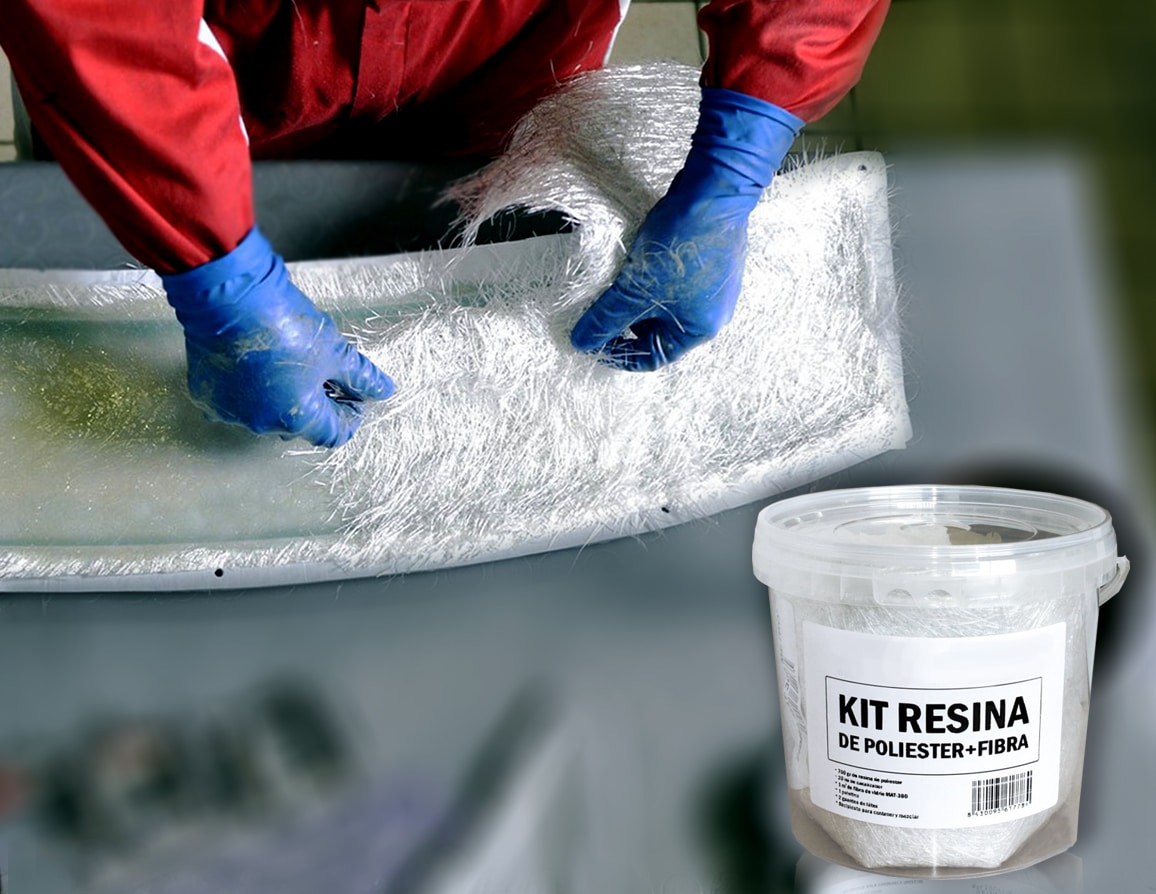
- Resin Fibreglass Repair Kit – Complete Polyester Resin and Hardener SetPrice range: £13.85 through £22.85Resin Fibreglass Repair Kit offers a complete polyester resin and hardener set for structural repairs with user-friendly instructions.
- "3D Finish" – Fast Coating Epoxy Resin for 3D PrintsPrice range: £12.85 through £18.85"3D Finish" delivers a fast-curing, detail-preserving epoxy coating ideal for enhancing and protecting common 3D print plastics.
 "Klebfix" – Two-Component Fast Epoxy Glue 2K, 25g Syringe£22.85The "Klebfix" two-component epoxy glue bonds plastic, glass, metal and wood with a fast-setting, waterproof, and transparent formula.
 "Mixer Nozzle" – For Mixing Epoxy Glue, 50ml, Araldite 2000 Series Compatible£1.45Epoxy mixer nozzle designed for Araldite 2000 series 50ml cartridges, suitable for plastic materials.
Frequently Asked Questions
How do I prepare a plastic surface for polyester resin application?
Clean thoroughly and lightly sand the area to ensure the resin will bond well to the plastic, removing all grime and gloss.
How long should I wait for polyester resin to cure on plastic?
Curing time varies, but most kits fully harden within a few hours at room temperature; always consult your kit instructions.
Is polyester resin suitable for all types of plastic?
Polyester resin works best with rigid plastics. It may not adhere well to flexible or oily plastics without pre-treatment.
What is the correct mixing ratio for two-component polyester resin?
Follow the proportions advised by the manufacturer, as incorrect ratios can prevent proper curing or bonding.
Should I wear gloves and goggles when applying resin?
Yes, always use gloves and eye protection to avoid skin irritation or eye injury from resin contact.
Can I sand or paint over the cured polyester resin?
Yes, once fully cured, repairs can be sanded smooth and painted to match the surrounding plastic material.