 Free shipping on orders over £29,85
  Shipping Tracking!


 Google
 Facebook
← Back to How to apply resin on tiles?
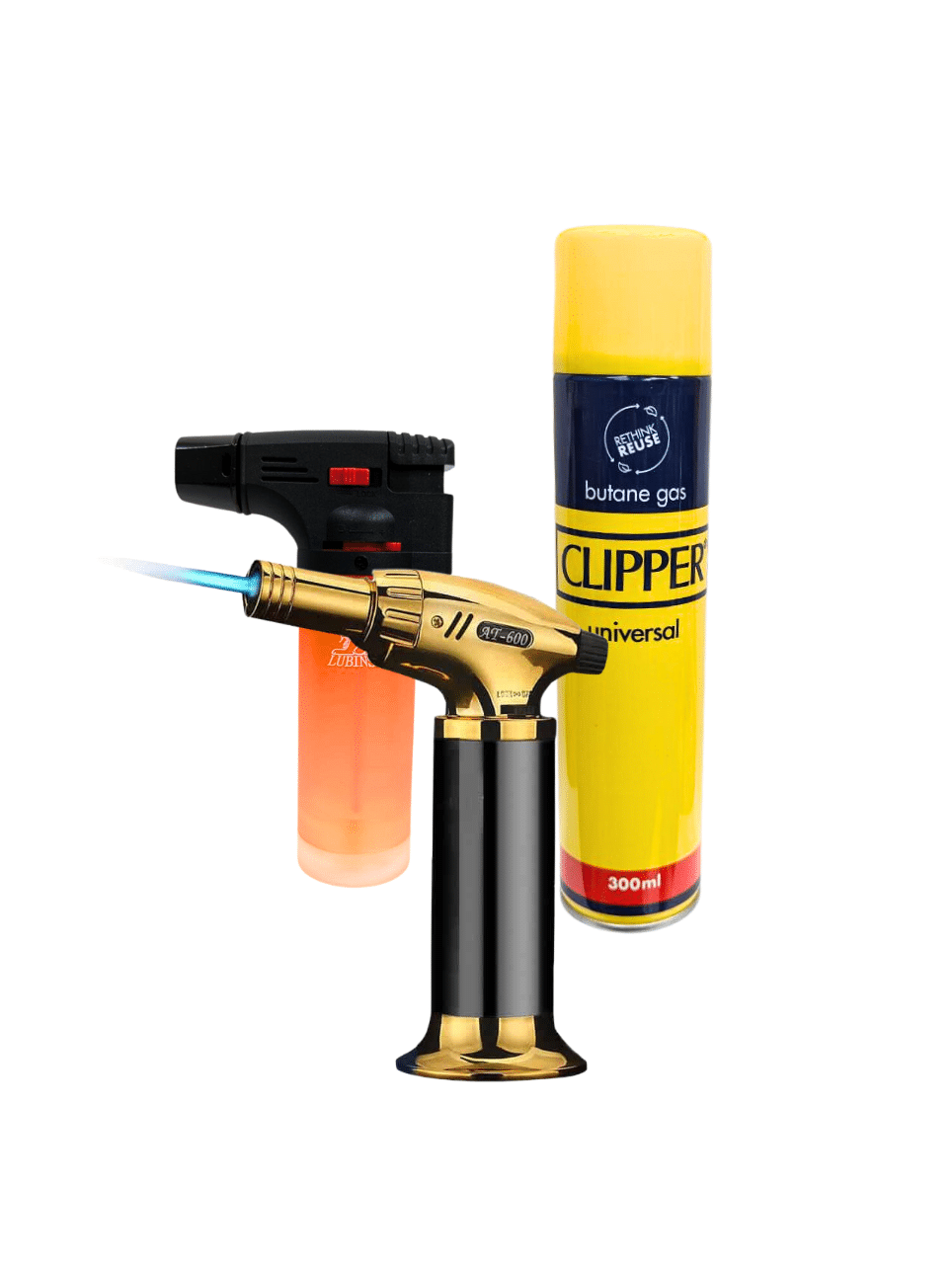
Trapped bubbles in epoxy resin can spoil an otherwise flawless coating over tiles. With the right method and tools, you can achieve a glassy, bubble-free finish for any resin project on tile surfaces.
Why Do Bubbles Form in Epoxy Resin?
Air bubbles are common when mixing or pouring epoxy resin, as air can get trapped in the blend or rise up from porous tile surfaces. Even carefully mixed resin may develop surface bubbles as it self-levels. If left unchecked, these bubbles can harden in place, creating imperfections in your finish.
Best Practices for Removing Bubbles
- Use a heat gun: Glide a precision gas heat gun in quick, gentle passes above the uncured resin. This helps break the surface tension and releases bubbles effectively.
- Work promptly: For optimal results, apply heat as soon as you’ve poured the resin and the surface is still fluid, as bubbles are easier to remove before curing begins. Avoid holding the heat in one spot as this can cause surface rippling.
- Mix gently: Stir your resin thoroughly but slowly to minimise air incorporation at the start.
Choosing a resin formulated for self-levelling, such as “Icrystal” or “Trasparente”, can also help reduce trapped air during application on tiles.
When Bubble Removal Matters Most
Achieving a bubble-free finish is particularly important for decorative tile projects, table tops, and surface coatings where clarity and smoothness are key. Proper bubble removal is also essential when working with transparent resins for a professional result.
Related products
Related guides
Eliminating bubbles is a crucial step for any epoxy resin project on tiles. For guidance on preparation, priming, and all stages of applying resin on tiles, see our full guide on how to apply resin on tiles.