 Free shipping on orders over £29,85
  Shipping Tracking!


 Google
 Facebook
How to apply resin on tiles?
Step-by-step guide for a seamless and glossy tile coating
If you’re looking to refresh tiled surfaces with a sleek, modern finish, applying resin can instantly transform their look and performance. This guide walks you through every step, from prep to finishing touches, ensuring a hard-wearing, glass-like result suitable for kitchens, bathrooms, worktops, or craft projects.
What You’ll Need
- “Epoxyprimer” – Universal Water-Based Two-Component Epoxy Floor Primer: For promoting maximum adhesion to tile surfaces.
- “Icrystal” – Clear Epoxy Resin – Odourless Formula – Up to 1.5cm: Suitable for a transparent, protective coating on tiles.
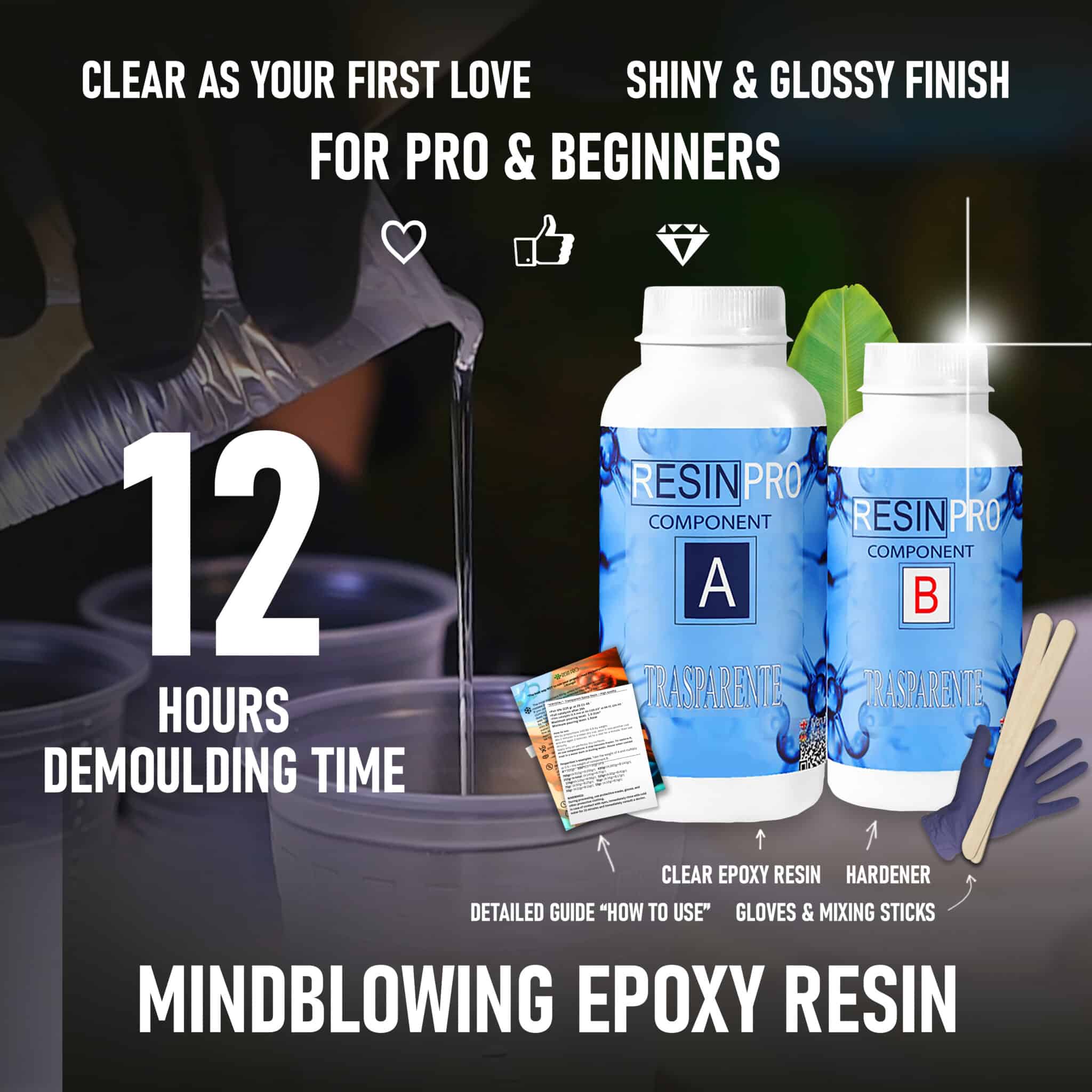
- “Trasparente” – Multipurpose Clear Epoxy Resin for Casting – Up to 2cm: For slightly thicker layers or casting decorative elements.
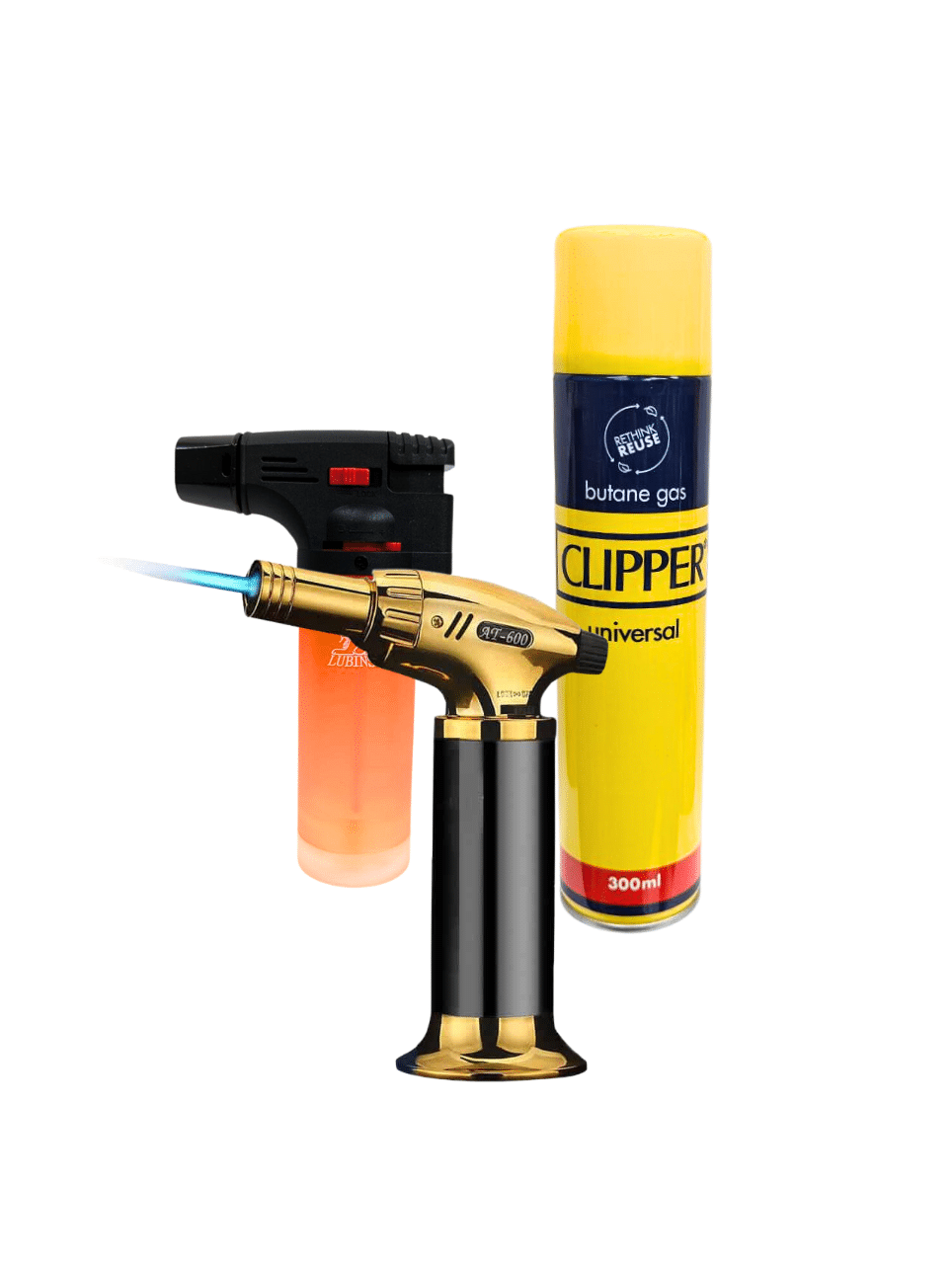
- Gas Heat Gun for Epoxy Resin – Precision Tool for Bubble Removal and Finishing
- Masking tape, protective gloves, dust mask, mixing containers, stir sticks, roller or brush, and a level surface.

Preparing Tiles for Resin Application
Start with a completely clean, dry, and defect-free tile surface before priming. Proper preparation ensures the resin will anchor firmly for years, reducing the risk of lifting or bubbling.
Step 1: Prepare and Clean the Tile Surface
Clean surfaces thoroughly to remove dirt, grease, and dust using a degreaser or household cleaner. Any contamination can affect resin adhesion and appearance. Allow the tiles to dry completely before moving on.
Address any cracks or loose tiles before starting the resin application. Repair damaged grout or tiles and let all repairs cure fully. Tape off areas you do not want coated with resin for a clean edge.
Step 2: Prime the Tiles for Adhesion
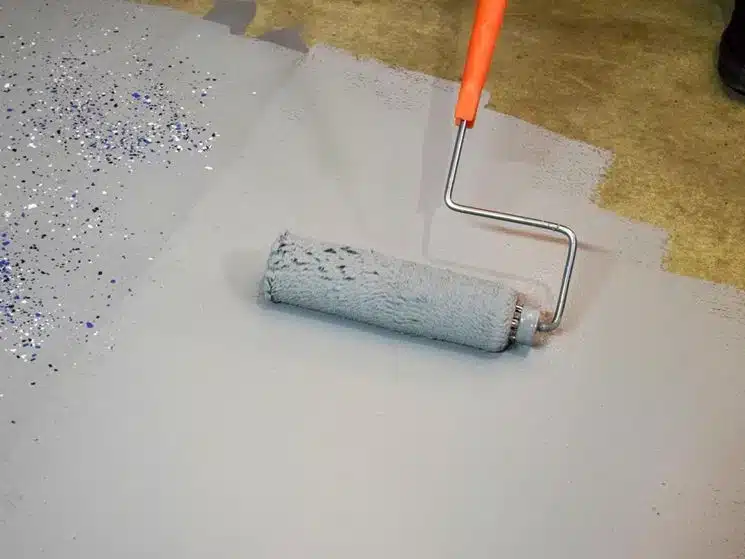
Applying a primer is crucial for ensuring a long-lasting bond between the tiles and your resin. Use “Epoxyprimer” – Universal Water-Based Two-Component Epoxy Floor Primer, following the manufacturer’s mixing and application instructions. Apply evenly with a roller or brush, covering the entire area. Allow the primer to cure as indicated—typically 24–48 hours.
Always allow primer and resin layers to cure fully before next steps to avoid soft spots or delamination.
Step 3: Mixing and Pouring the Resin
Choose your resin based on desired thickness and finish. For most tile coatings that require a clear, odourless, glossy layer, “Icrystal” – Clear Epoxy Resin is ideal. For slightly thicker layers or when embedding objects, “Trasparente” – Multipurpose Clear Epoxy Resin for Casting can be used, as long as the single pour does not exceed the recommended thickness.
Mix the resin and hardener thoroughly, following the mixing ratio on the product packaging. Pour the mixture gently across the primed tile surface. Pour resin consistently for an even layer across the tiles. Use a spatula or roller to spread the resin if necessary for uniform coverage.

Step 4: Remove Bubbles and Level the Surface
Resin often forms bubbles as it settles. Use a heat gun carefully to remove surface bubbles, but avoid overheating the resin or the tiles beneath. Sweep the flame or heat across the resin’s surface in smooth, quick motions. Recheck for bubbles after 10–15 minutes, repeating as needed while the resin is still workable.
Ensure the tiled area remains free of dust or debris during the initial curing stage to prevent marks on the finished surface.

Step 5: Curing and Aftercare
Allow the resin to cure fully, which can take 24–72 hours depending on product and environmental conditions. Avoid touching or placing objects on the resin during this period. Work in a well-ventilated area and wear protective equipment throughout the process, especially when handling resin and hardeners.
Once cured, remove tape and perform a gentle clean. Your tiled surface should now display a flawless, glossy resin finish that is both visually striking and durable.
Tips and Common Mistakes for Resin on Tiles
- Rushing the curing process can lead to imperfections or reduced durability. Always follow cure times.
- Test resin on a small hidden area first for compatibility if unsure.
- Ensure tiles are well fixed; loose tiles may flex and cause cracking in the resin layer.
- Avoid pouring resin in a humid environment or at excessively high or low temperatures to prevent cloudiness and improper curing.
Achieving a Glossy, Durable Resin Finish
Using the right resin and applying it patiently gives a glass-like effect that enhances both look and performance. Take care with bubble removal and curing for the best final results.

- "Epoxyprimer" – Universal Water-Based Two-Component Epoxy Floor PrimerPrice range: £148.84 through £272.45Epoxyprimer is a water-based epoxy floor primer designed for adhesion on concrete, tiles, timber, and screeds. Suitable for use in resin projects.
- "Trasparente" – Multipurpose Clear Epoxy Resin for Casting – Up to 2cmPrice range: £8.45 through £948.85"Trasparente" is an ultra-clear casting epoxy resin with a glossy finish, designed for detailed projects up to 2cm thick within the current theme.
- Gas Heat Gun for Epoxy Resin – Precision Tool for Bubble Removal and FinishingPrice range: £4.15 through £13.85The Gas Heat Gun is designed to enhance epoxy resin projects with quick heating and precise bubble removal, suited for the theme of applying resin on…
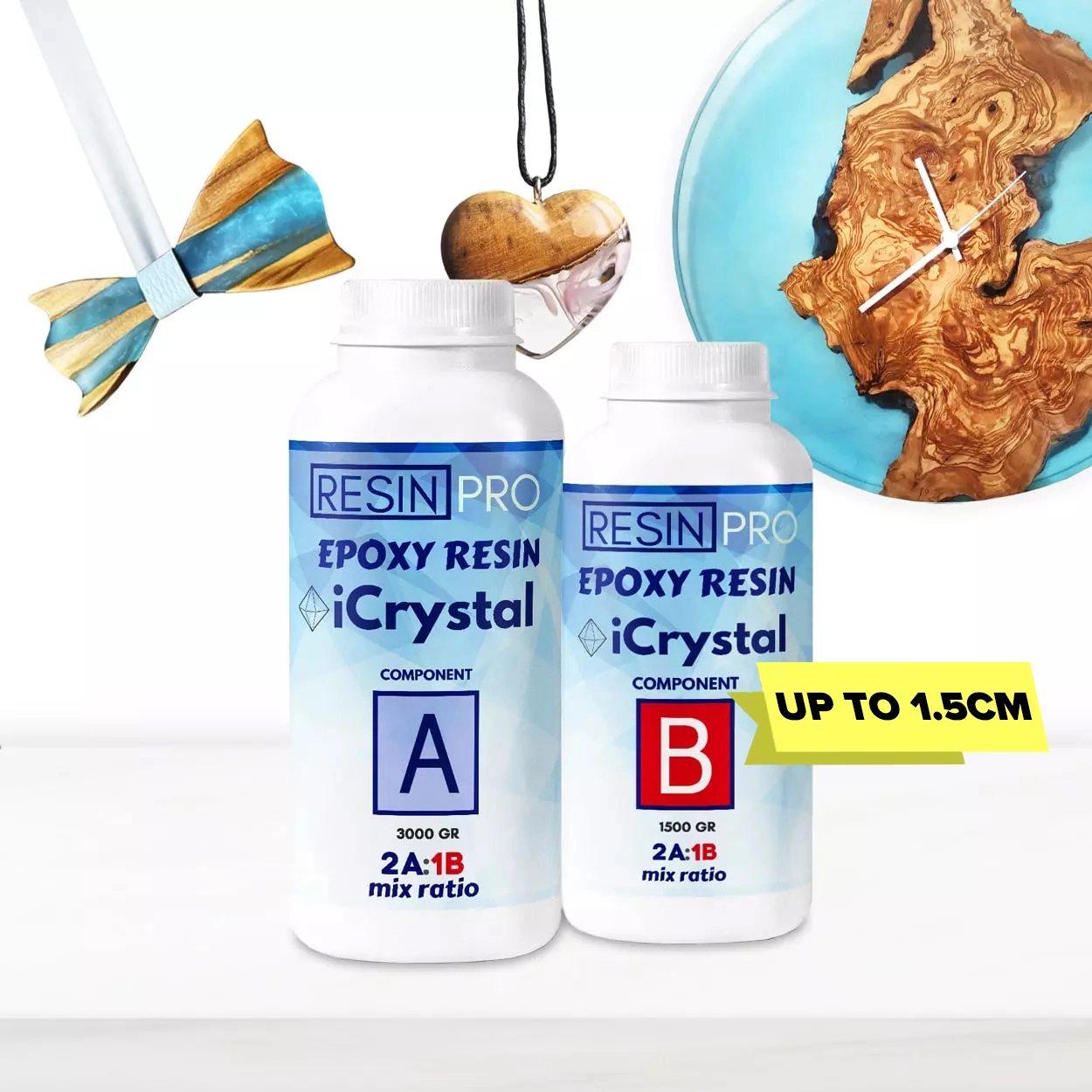 "Icrystal" – Clear Epoxy Resin – Odourless Formula – Up to 1.5cmPrice range: £11.65 through £954.85"Icrystal" – Clear Epoxy Resin is a transparent, odourless epoxy resin suitable for scratch-resistant surface finishes.
Frequently Asked Questions
Can I apply resin directly to tiles?
It is best to prime tiles first to ensure long-term adhesion. Proper surface prep prevents peeling or delamination.
Which resin is best for tile coating?
Clear epoxy resins such as Icrystal offer odourless application and a hard-wearing surface suitable for indoor tile projects.
How can I remove bubbles from poured resin on tiles?
A heat gun helps release bubbles on the resin surface when used in swift, gentle passes before curing begins.
How long should resin cure on tiles?
Full cure may take 24–72 hours. Avoid moving or covering until fully set for best durability and appearance.
How do I maintain resin-coated tiles?
Clean with a soft cloth and avoid abrasive chemicals to keep the finish clear and glossy over time.
Can you use any epoxy resin on tiles?
Select a resin formulated for clear coatings and indoor use, ensuring compatibility with tile surfaces for optimal results.