 Free shipping on orders over £29,85
  Shipping Tracking!


 Google
 Facebook
← Back to How to apply resin to a wooden hull?
Achieving a smooth, durable finish on a wooden hull relies not just on which resin you use, but also on proper surface preparation between coats. One of the most important steps is sanding lightly between resin layers for optimal adhesion.
Why Sand Between Resin Coats?
When each coat of resin cures, it can leave behind a glossy or amine-rich layer that may prevent a strong chemical bond with the subsequent layer. Light sanding creates a slightly roughened surface, providing more grip for the next coat and improving the bond between layers. This is especially vital for wooden hulls, where ongoing exposure to moisture and stress demands maximum strength and durability from the finish.
Best Practices for Effective Sanding
- Wait until the previous resin layer is fully cured and dry before sanding. This ensures the surface is firm and ready for abrasion.
- Use fine-grit sandpaper (typically 180–240 grit) to avoid deep scratches yet provide enough ‘tooth’ for the new layer.
- After sanding, remove all dust and debris with a vacuum or damp cloth before applying additional resin.
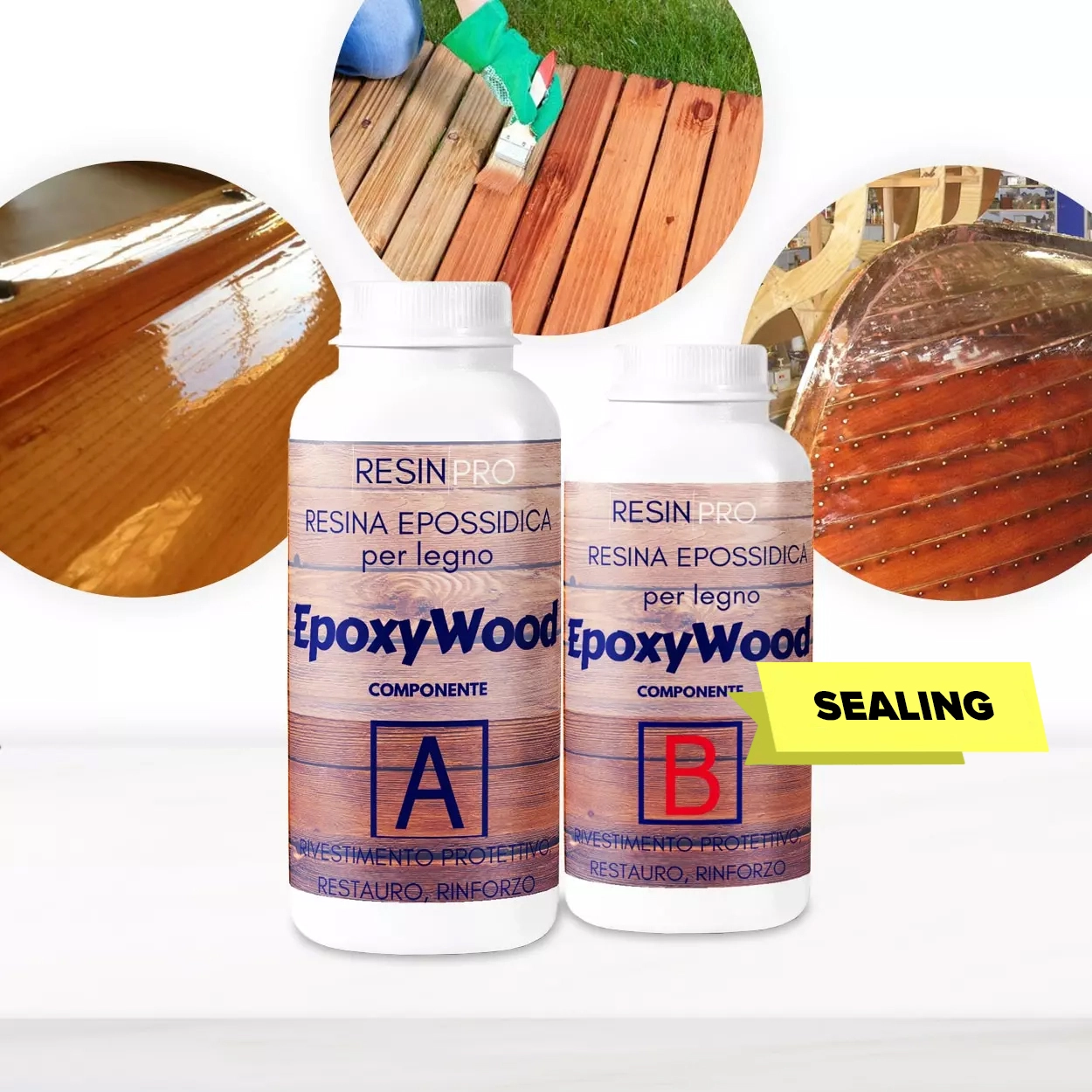
For example, before recoating with EpoxyWood wood restoration resin, ensure the wood is thoroughly sanded for best results.
When This Matters Most
Sanding is particularly important if there is any delay between resin coats or if a glossy surface has formed. In humid or variable conditions, light sanding always helps prevent issues with delamination or weak adhesion, keeping your hull sealed and structurally sound.
Related products
Related guides
Integrating light sanding between resin layers is an easy yet essential step when applying resin to a wooden hull. For more tips and a step-by-step application guide, see our main advice on how to apply resin to a wooden hull.