 Free shipping on orders over £29,85
  Shipping Tracking!


 Google
 Facebook
How to apply resin to a wooden hull?
A step-by-step method for waterproofing and reinforcing timber hulls


Sealing a wooden hull with resin is an essential step to protect your boat against water ingress, rot, and wear. Whether restoring an old vessel or safeguarding a new build, careful resin application creates a durable, waterproof barrier that dramatically extends your hull’s lifespan.
What You’ll Need
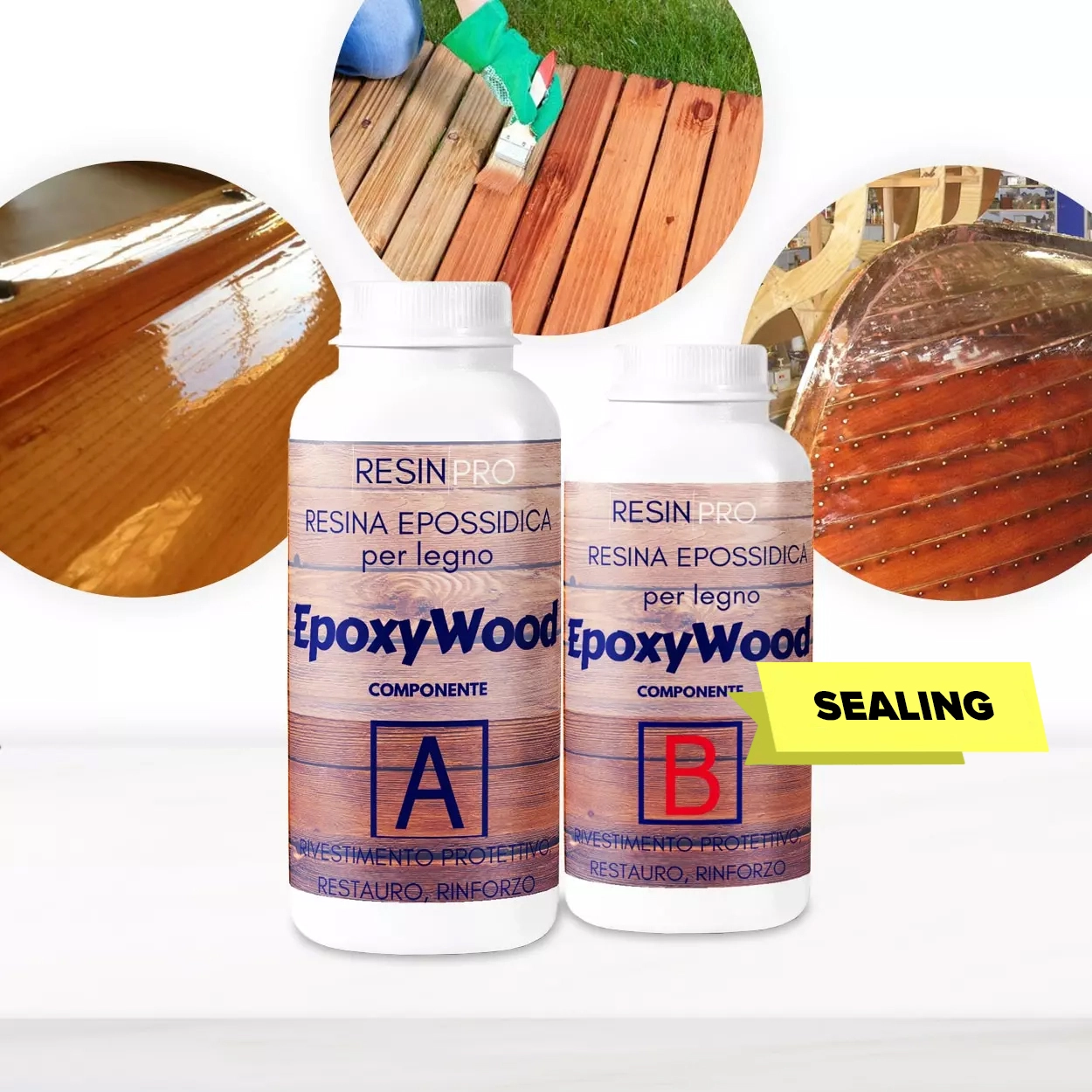
- “EpoxyWood” – Wood Restoration Epoxy Resin for Deep Penetration and Waterproofing: A low-viscosity epoxy formulated for timber hulls.
- Protective gloves, mask, and goggles for safety
- Sanding tools (electric sander or sanding blocks)
- Clean cloths for dust removal
- Brushes or foam rollers for application
- Mixing containers and sticks
- Painter’s tape to protect fittings and areas not to be coated
Essential Preparation for Wooden Hull Resin Application
Proper surface preparation is the foundation of a successful resin application. Thorough cleaning and careful sanding remove old coatings, dirt, and moisture, ensuring your epoxy adheres correctly and lasts for years. Take your time at this stage for the best protection.
Step 1: Prepare the Wooden Hull Surface
Begin by thoroughly cleaning the wooden hull. Remove any old finishes, flaking paint, loose fibres, and dirt using an appropriate sanding tool. Carefully sand the entire surface, starting with a coarse grit and moving to a medium or fine grit for a smooth finish. Pay attention to crevices and joints as debris left here can compromise the resin’s adherence. Ensure the wood is completely dry and free from dust or oils, as moisture and contaminants will reduce the effectiveness of your waterproofing.

Step 2: Mix and Apply the First Coat of Resin
Follow your epoxy resin manufacturer’s instructions to measure and mix the components in the right proportions. Epoxies set through a chemical reaction, so accurate mixing is crucial. Once blended, immediately apply a thin, even layer to the hull using a quality brush or roller. Focus on small sections at a time to ensure thorough penetration into the wood grain. Using a product such as “EpoxyWood” – Wood Restoration Epoxy Resin for Deep Penetration and Waterproofing is effective, as its ultra-low viscosity enables it to penetrate deep into the timber’s pores, reinforcing the structure while sealing it from within.
Apply resin in thin, even coats using a brush or roller for best results. After application, inspect for drips and smooth out any excess before the resin cures.
Step 3: Allow Resin to Cure and Sand Between Layers
Permit the first coat to fully cure as per the recommended curing time (generally 12–24 hours depending on ambient conditions). Allow each layer to cure before adding subsequent coats, as premature recoating can cause surface defects. Once cured, sand the surface lightly with fine-grit sandpaper. This not only smooths any raised grain but also provides tooth for the next resin layer. Wipe away all dust with a clean cloth before proceeding.
If you plan to add more coats of resin, repeat the same process: apply, cure, sand, and clean. Sand lightly between layers for optimal adhesion.
Step 4: Final Inspection and Touch-Ups
After the last coat is completely cured, inspect your hull for uniform coverage and clarity. If necessary, sand and polish for a smooth, glossy finish. Remove all masking tape and check deck fittings to confirm nothing was trapped beneath the resin.

Tips and Common Mistakes to Avoid
When working with epoxy resin, temperature and humidity play a pivotal role in curing. Aim for application in dry weather and moderate temperatures. Avoid over-applying thick layers, which can lead to pooling and slow curing. Work in a well-ventilated area and wear appropriate PPE to minimise exposure to fumes.
Expert Advice for a Long-Lasting Waterproof Finish
Layering resin gives the best seal, and correcting minor surface issues with gentle sanding enhances the finish. Always refer to product-specific instructions and safety precautions for optimal outcomes when working on marine woodwork.
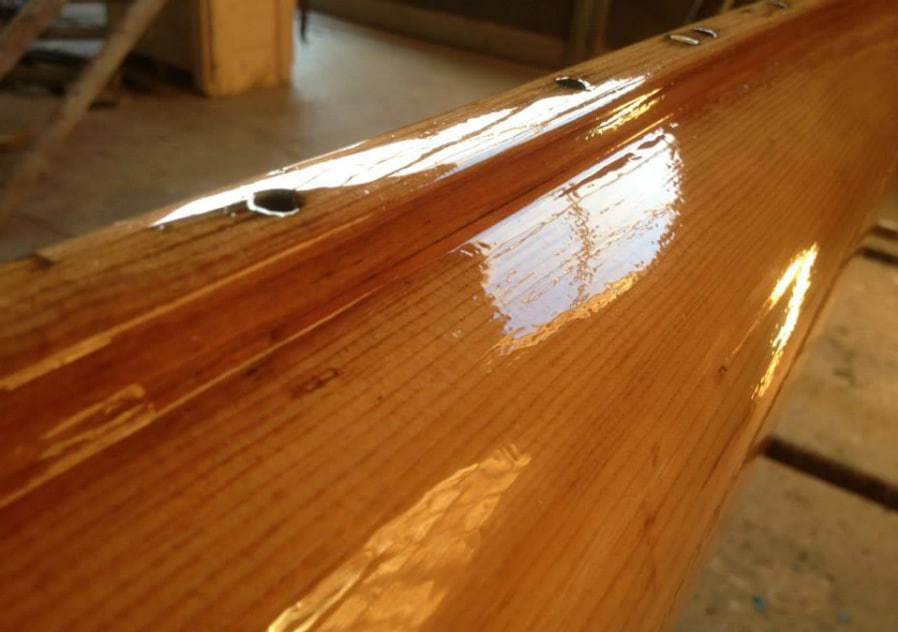
- "EpoxyWood" – Wood Restoration Epoxy Resin for Deep Penetration and WaterproofingOriginal price was: £64.00.£39.85Current price is: £39.85.EpoxyWood is a solvent-free epoxy resin designed for wood restoration and waterproofing with a natural straw-yellow finish.
- "Trasparente" – Multipurpose Clear Epoxy Resin for Casting – Up to 2cmPrice range: £8.45 through £948.85"Trasparente" is an ultra-clear multipurpose epoxy resin for castings up to 2cm thick, suitable for wood and DIY projects within the theme.
- Resin Fibreglass Repair Kit – Complete Polyester Resin and Hardener SetPrice range: £13.85 through £22.85The Resin Fibreglass Repair Kit offers a complete solution with easy instructions for structural repairs to boats, pools, and rigid surfaces.
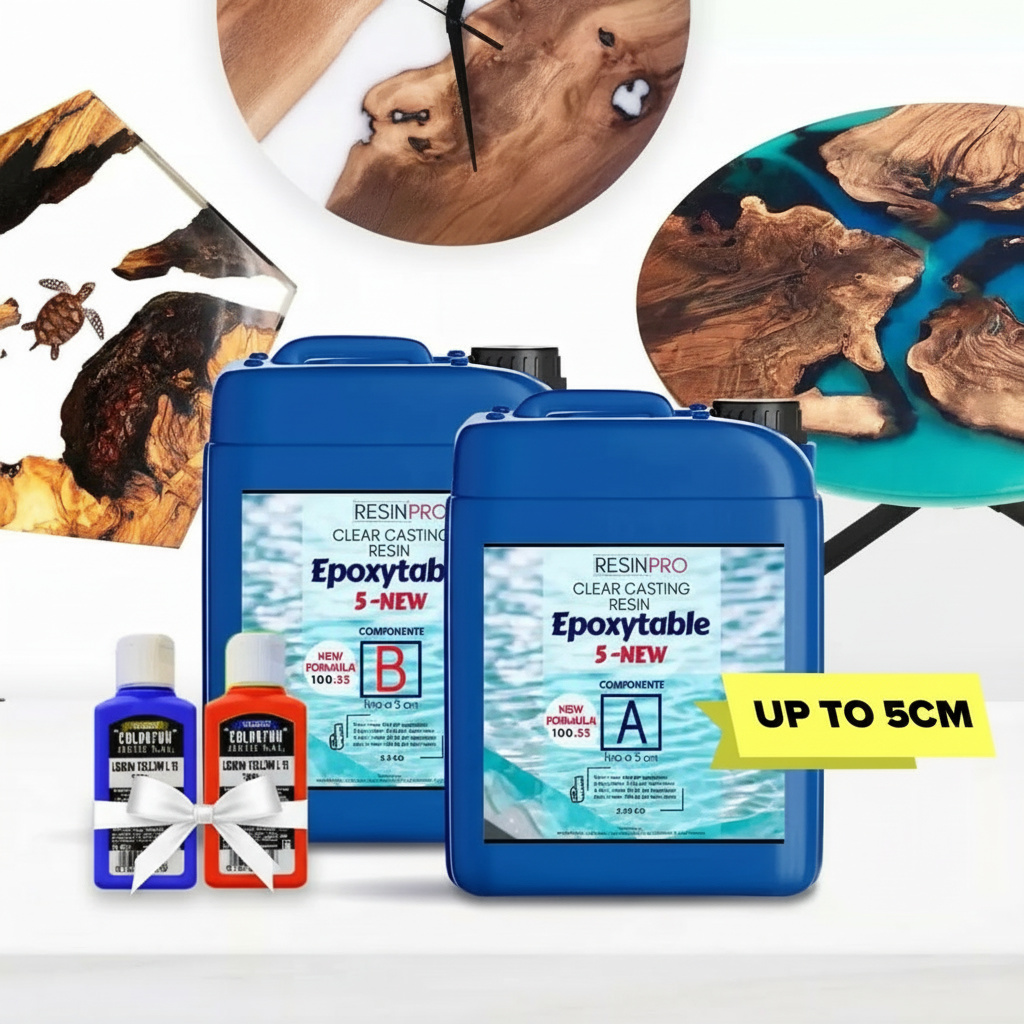 "EpoxyTable 5-Five" – Deep Pour Epoxy Resin for Tables and Large Projects – Up to 5cmPrice range: £16.85 through £1,099.85"EpoxyTable 5-Five" is designed for deep pour projects up to 5cm, suitable for tables and large artistic wood projects.
Frequently Asked Questions
What is the best resin to waterproof a wooden hull?
"EpoxyWood" is recommended for wooden hulls as it deeply penetrates and seals timber, creating a waterproof barrier.
Can I apply epoxy resin to an old wooden boat?
Yes, as long as the wood is dry, clean, and free from previous coatings or rot, epoxy resins like EpoxyWood can successfully restore and protect older hulls.
How many coats of epoxy should I apply to a wooden hull?
Two to three thin coats are typically advised for thorough sealing and reinforcement, sanding lightly between each.
Should I use a roller or brush for applying resin?
Both are suitable. Brushes are ideal for detail and edges, while rollers give a consistent finish on larger areas.
Is personal protective equipment needed when applying epoxy?
Yes, wearing gloves, goggles, and a mask is recommended to avoid skin or eye contact and inhalation of fumes.
How do temperature and humidity affect the curing of epoxy resin?
Cool or humid conditions can slow curing, while warm, dry weather promotes even and efficient resin hardening.
Can I use epoxy on hulls previously patched with fibreglass?
Yes, provided the surface is clean, dry, and abraded for a good bond, epoxy can be applied over fibreglass patches.