 Free shipping on orders over £29,85
  Shipping Tracking!


 Google
 Facebook
How to calculate how much epoxy resin is needed?
Calculating the correct amount of epoxy resin for your project is crucial for a smooth workflow and flawless results. Whether you are casting a river table, coating a countertop, or installing a permeable outdoor floor, understanding the right quantities ensures efficiency, saves money, and reduces waste. This guide walks you through the essential steps to ensure precise measurements, helping both hobbyists and professionals avoid common resin calculation pitfalls.
Step-by-step guide for accurate epoxy resin project planning

What You’ll Need
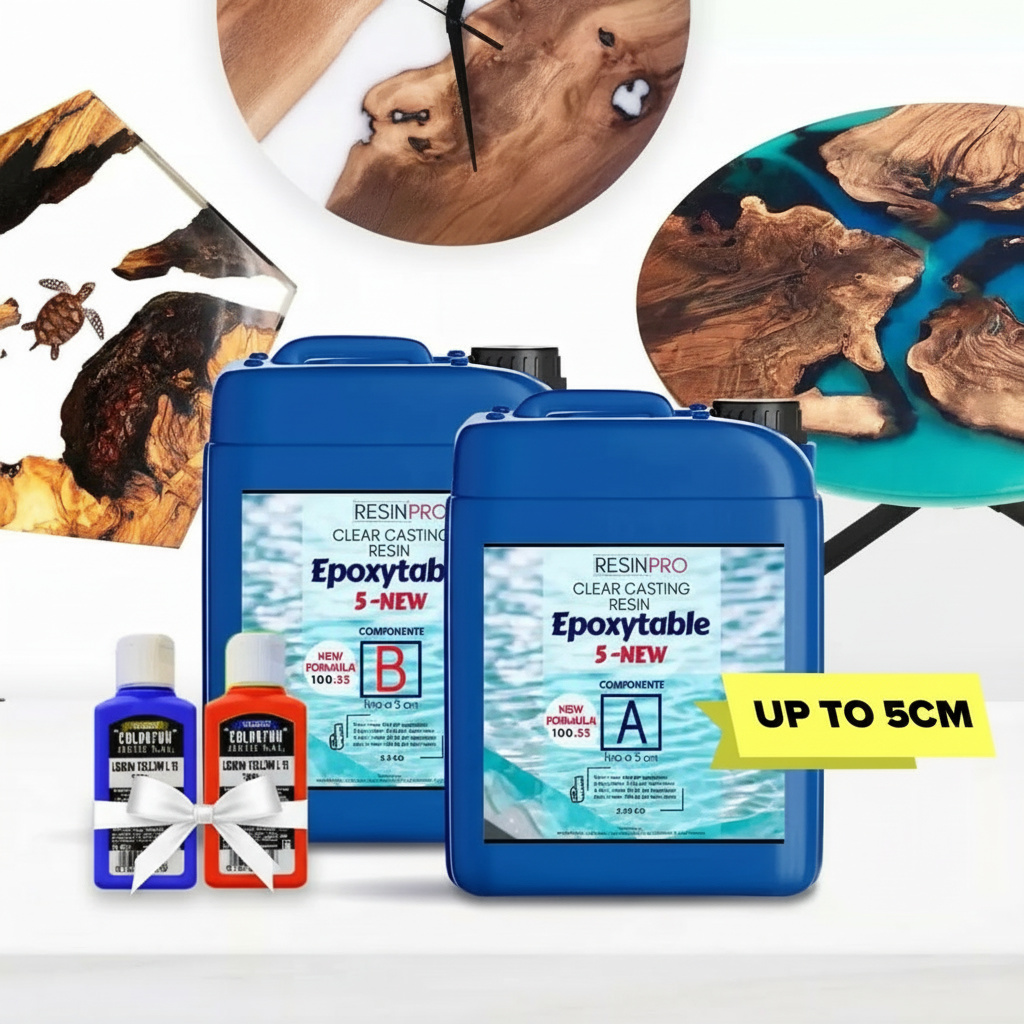
- “EpoxyTable 5-Five” – Deep Pour Epoxy Resin for Tables and Large Projects – Up to 5cm: Ideal for pours between 2 and 5cm thickness.
- “Epoxytable 10-Ten” – Deep Pour Epoxy Resin for Tables, Up to 10cm Casting: For thick castings and large tables.
- “River-Table” – Complete Kit for Creating Your First Epoxy Resin Table: Comprehensive kit with epoxy, pigment, accessories, and instructions for beginners.
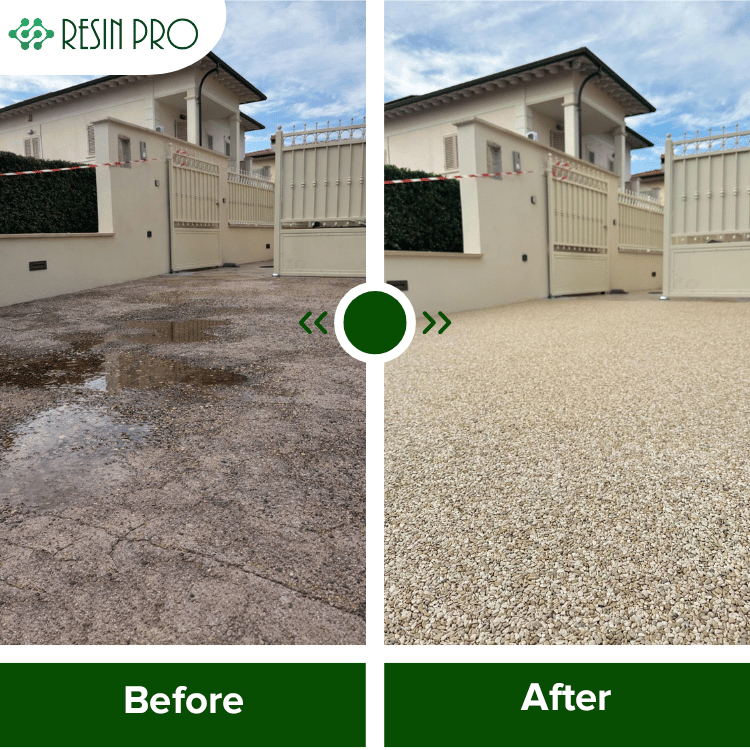
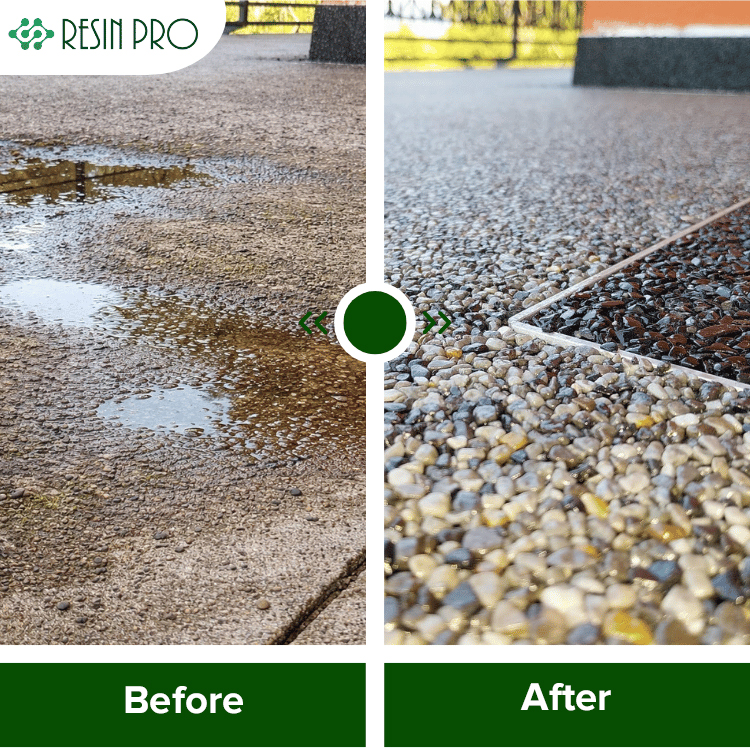
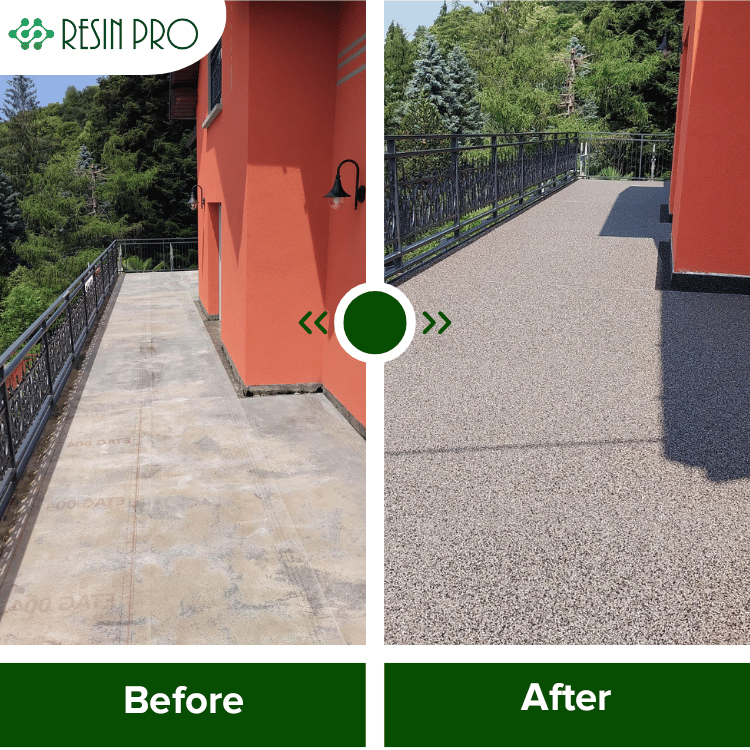
- “Flowstone” – Complete Permeable Floor Kit with Pebbles and Resin: Complete outdoor pebble and resin flooring system (includes calculator specific to surface area and depth).
- Accurate measuring tape or ruler for dimensions
- Calculator (basic or online)
- Mixing containers with volume markings
- Protective gloves and safety gear
Essential Tools and Preparation
Gather measuring implements and choose the right epoxy for your task. Proper preparation, including assessing your project’s shape and complexity, will save time and waste later. Rely on comprehensive kits or specialist products when tackling unique or large-scale projects.
Step 1: Measure Your Project Dimensions
Begin by measuring the length, width, and desired depth (thickness) of the surface or mould you plan to fill with epoxy resin. Use a reliable measuring tape or ruler and record each dimension in centimetres or millimetres. Accurate measurements are essential, as even small differences can lead to significant over- or underestimation of resin required.
For shaped projects, like river tables or artistic castings, break the area down into rectangular or other simple geometric sections. Calculate each individually, then add together to find the total volume.
Step 2: Calculate the Resin Volume
Calculate the total resin volume using the standard formula: Length x Width x Depth = Volume (in cubic centimetres or millimetres). For easier estimation, convert your result to litres by dividing cubic centimetres by 1,000, or cubic millimetres by 1,000,000.
For example, a tabletop measuring 120cm x 60cm x 3cm would be 120 x 60 x 3 = 21,600cm³ (so, 21.6 litres of resin). If you are using the “Flowstone” – Complete Permeable Floor Kit with Pebbles and Resin, refer to its dedicated calculator, which guides you based on area and thickness for outdoor floors.
Step 3: Factor in Overages and Pouring Limits
It is recommended to add 5–10% extra to your total calculation, accounting for spillage, mixing losses, or absorption into porous surfaces. For deep castings, check the manufacturer’s guidance about maximum pour thickness per layer. Deep pour products like “EpoxyTable 5-Five” and “Epoxytable 10-Ten” allow pours up to 5cm or 10cm in a single layer to avoid overheating. For thicker pours, calculate for each layer separately.
“River-Table” kits provide guidance for the standard wood-to-resin volume ratio, but always double-check against your specific measurements. Calculating layer by layer helps manage exotherm and ensures a safe, bubble-free cure.

Step 4: Match the Resin Product to the Project
Now compare your total volume and pour depth to choose the resin best suited to your needs. For instance, use “River-Table” – Complete Kit for Creating Your First Epoxy Resin Table for smaller or starter projects, or “EpoxyTable 5-Five” and “Epoxytable 10-Ten” for medium to deep pours. For floors, “Flowstone” – Complete Permeable Floor Kit with Pebbles and Resin streamlines calculation for flat, large areas. Consult each product’s technical sheet for any restrictions or additional resin needed based on aggregate or surface type.
Tips and Common Mistakes to Avoid
- Check your dimensions twice before mixing resin, as corrections are not possible once pouring begins.
- Avoid underestimating volume on uneven or porous surfaces; overestimate slightly for complete coverage.
- For deep pours, calculate per layer if required and respect the maximum allowed per instruction manual.
- Always account for overage to prevent shortages and lost working time.
- If unsure, use digital resin calculators available from specialist product pages.
Visualising Your Calculation
Sketch your dimensions and mark resin depth on your project before measuring, ensuring no volume is missed. Visual planning increases your accuracy and confidence before you mix and pour epoxy resin.
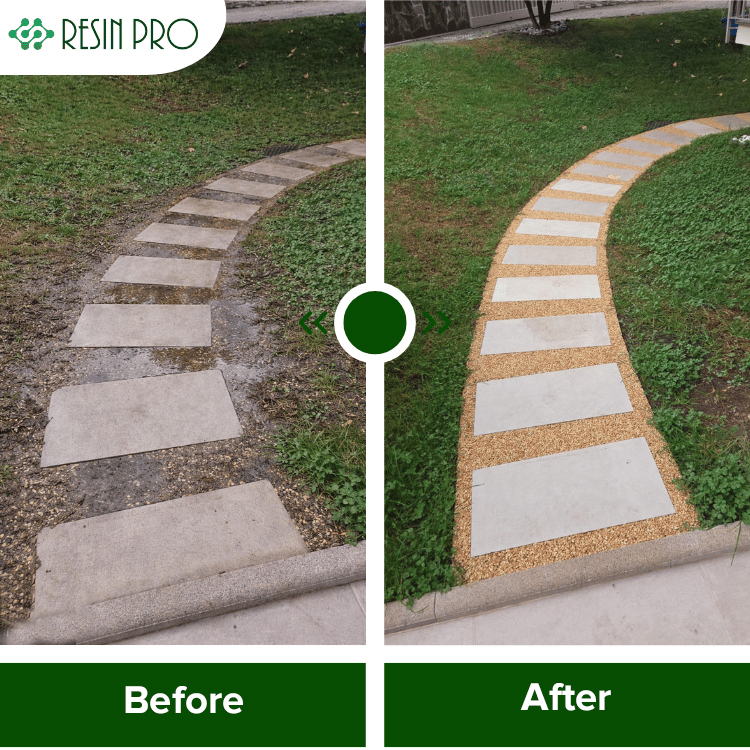
- "Flowstone" – Complete Permeable Floor Kit with Pebbles and ResinPrice range: £42.85 through £3,389.85"Flowstone" Complete Permeable Floor Kit offers a durable and permeable pebble and resin flooring system suitable for outdoor UK spaces.
- "EpoxyTable 5-Five" – Deep Pour Epoxy Resin for Tables and Large Projects – Up to 5cmPrice range: £16.85 through £1,099.85"EpoxyTable 5-Five" is designed for deep pour projects up to 5cm, suitable for tables and large artistic works.
 “Epoxytable 10-Ten” – Deep Pour Epoxy Resin for Tables, Up to 10cm CastingPrice range: £33.85 through £334.85“Epoxytable 10-Ten” is designed for deep pouring up to 10cm, suitable for tables and artistic projects requiring thick castings.
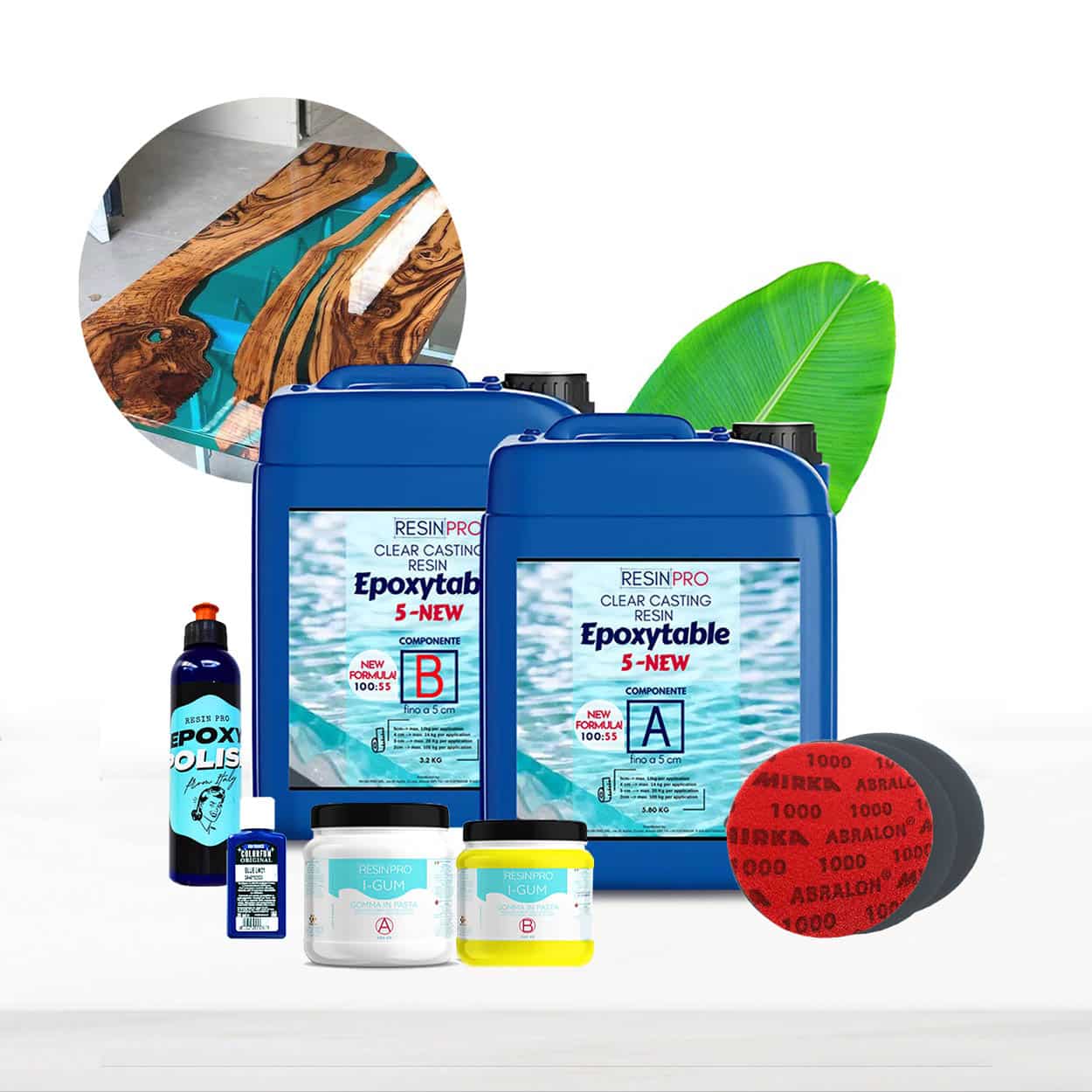 "River-Table" – Complete Kit for Creating Your First Epoxy Resin TablePrice range: £188.85 through £444.85A complete kit designed for creating your first wood and resin table with detailed instructions included.
Frequently Asked Questions
How do I calculate how much epoxy resin I need for a table?
Multiply the table area by the desired depth to get the volume, then convert to litres and add 5–10% for overage.
How do I estimate epoxy resin for deep pour projects?
Calculate by layer if the depth exceeds the product’s limit per pour. Plan multiple pours where needed and total each layer’s volume.
Should I increase resin quantity for porous surfaces?
Yes, allow extra resin (typically 10–15% more) to account for absorption into wood or uneven substrates.
What happens if I run out of epoxy resin mid-pour?
Running out can lead to visible seams or uneven finishes. It’s best to overestimate resin needs rather than risk this situation.
Do starter kits provide enough resin, or do I need to recalculate?
Most kits are sized for standard projects, but always confirm your measurements and compare to what’s included in the kit.
How do I convert volume units for epoxy resin calculation?
1,000 cubic centimetres equal 1 litre. For square metres and depth in millimetres: volume in litres = (area in m²) × (depth in mm).