 Free shipping on orders over £29,85
  Shipping Tracking!


 Google
 Facebook
← Back to How to sand epoxy resin?
Dry sanding is a common question amongst resin artists and DIYers aiming for a flawless epoxy finish. While possible, it comes with certain risks that are important to understand before getting started.
Dry Sanding vs Wet Sanding: What’s the Difference?
Dry sanding involves using abrasive pads or paper on epoxy resin surfaces without lubrication. Though it might seem quicker, there’s a much greater risk of leaving scratches, causing unwanted heat build-up, and clogging your sanding material with resin dust. In contrast, wet sanding uses water as a lubricant, effectively minimising heat, reducing airborne particles, and helping your sandpaper last longer.
- Dry sanding can make fine scratches more visible
- Heat generated may cause surface defects
- Clogged abrasives need frequent cleaning or replacement
Safer Ways to Achieve a Smooth Epoxy Finish
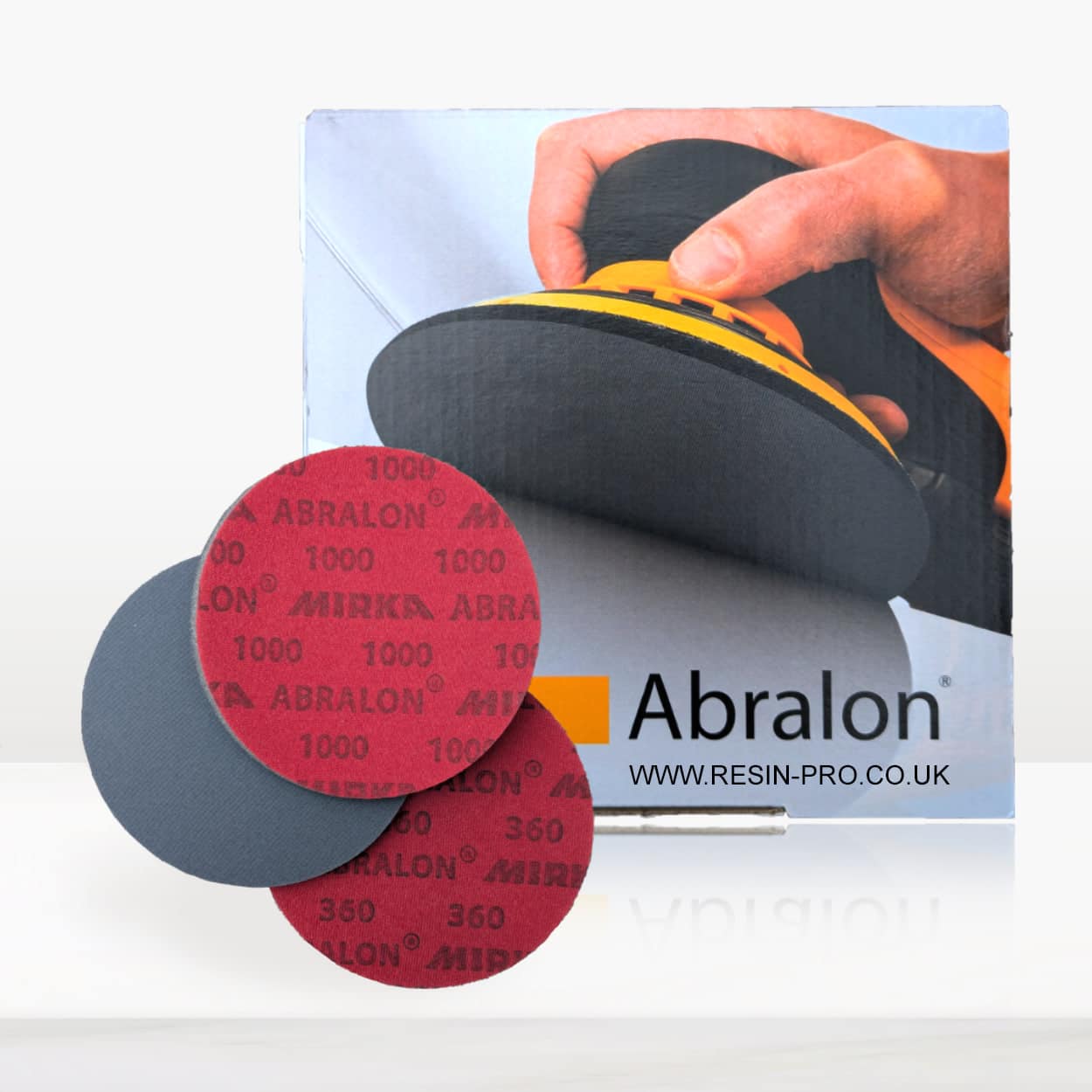
Whenever possible, opt for wet sanding to prolong your abrasives’ lifespan and ensure a more uniform result. Products like the “Ebonite Abralon” Sanding Pads are specifically designed to work with both wet and dry methods, giving you maximum control over your finish. For small or contoured items, a flexible sanding block such as the Foam Sanding Block can help maintain even pressure and avoid unnecessary scratches.
When This Matters: Choosing the Right Approach
If you’re working on a piece that requires a flawless, glossy appearance—like tabletops or jewellery—wet sanding is highly recommended. Dry sanding may be sufficient for rough shaping or first passes when finish imperfections don’t matter as much, but always use caution and check your progress regularly.
Related products
Related guides
For tip-top epoxy resin results, wet sanding is the safer option. If you’re curious how to further perfect your sanding technique or polish your resin creations, explore our main guide on how to sand epoxy resin for step-by-step advice.