 Free shipping on orders over £29,85
  Shipping Tracking!


 Google
 Facebook
← Back to How to sand epoxy resin?
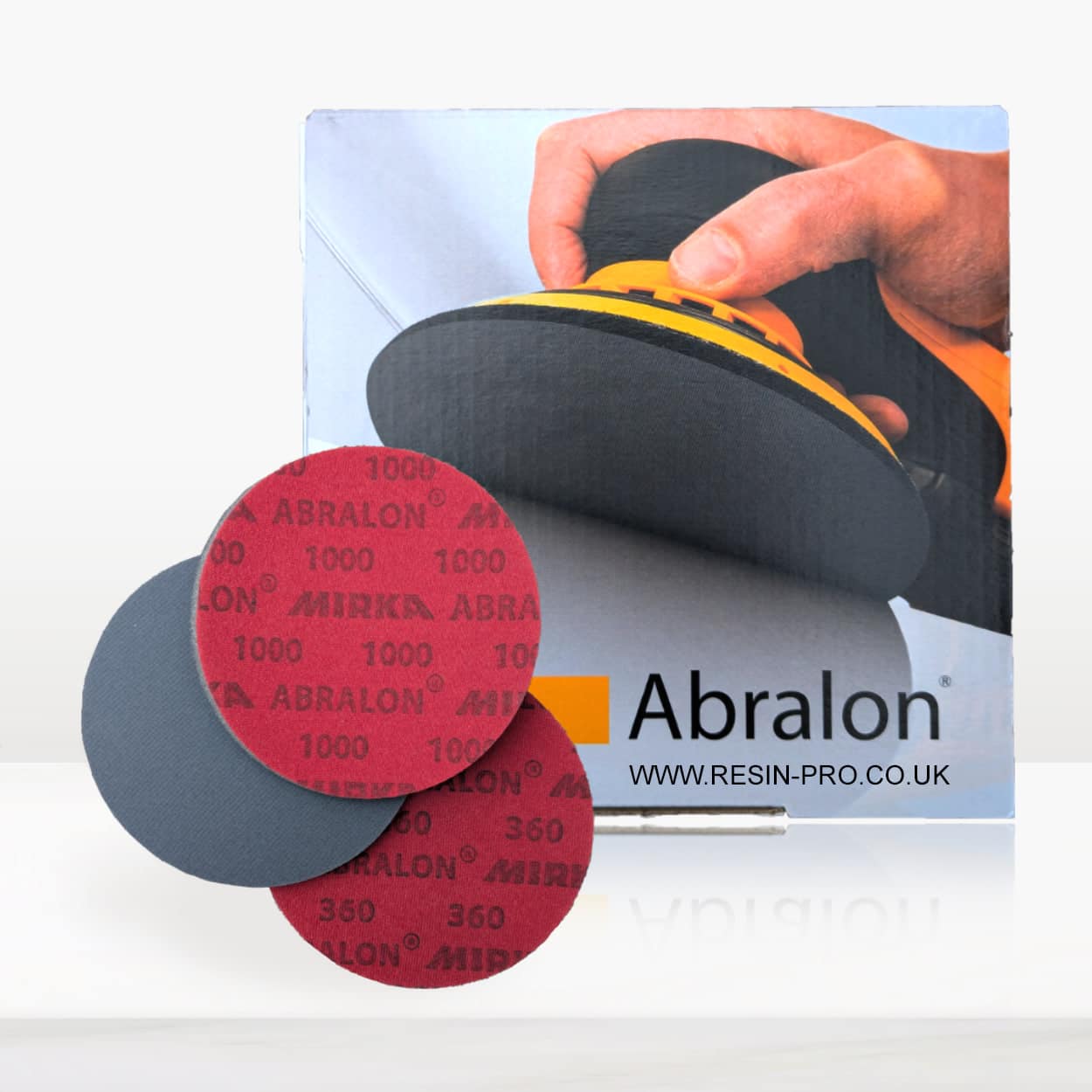
If you’re preparing to sand an epoxy resin surface, you might be wondering if specialist tools are truly necessary. The good news is that sanding can be adapted to both simple and more advanced approaches, depending on your project requirements.
Hand Sanding vs. Power Tools
For smaller or more detailed projects, hand sanding with tools like a foam sanding block or high-quality sanding pads can be more than sufficient. These allow you to shape and smooth the resin with great control, adapting to curved edges or fine details. For extensive flat surfaces or tables, an electric polisher such as a rotary sander will save time and effort, helping you achieve an even, professional finish with minimal streaks.
Choosing the Right Tool for Your Project
- Small, intricate shapes: Opt for manual sanding blocks or flexible pads to reach tight corners without damage.
- Large, flat surfaces: A variable speed electric polisher is ideal to cover space quickly and avoid tiring your hands.
- Finishing and polishing: Use finer grit sanding pads like the Ebonite Abralon Sanding Pads to gradually refine the surface before any buffing or sealing.
When Tool Choice Matters Most
Selecting the right sanding method matters most when you need consistent results—such as on river tables, resin-inlay woodwork, or projects needing high-gloss edges. Manual methods support careful detail, while motorised polishers help prevent uneven finishes on larger pieces.
Related products
Related guides
Whether you choose manual or electric tools, the best approach depends on your resin project’s size and detail. For further tips and in-depth guidance, see our main page on how to sand epoxy resin.