 Free shipping on orders over £29,85
  Shipping Tracking!


 Google
 Facebook
← Back to How do you pour epoxy resin?
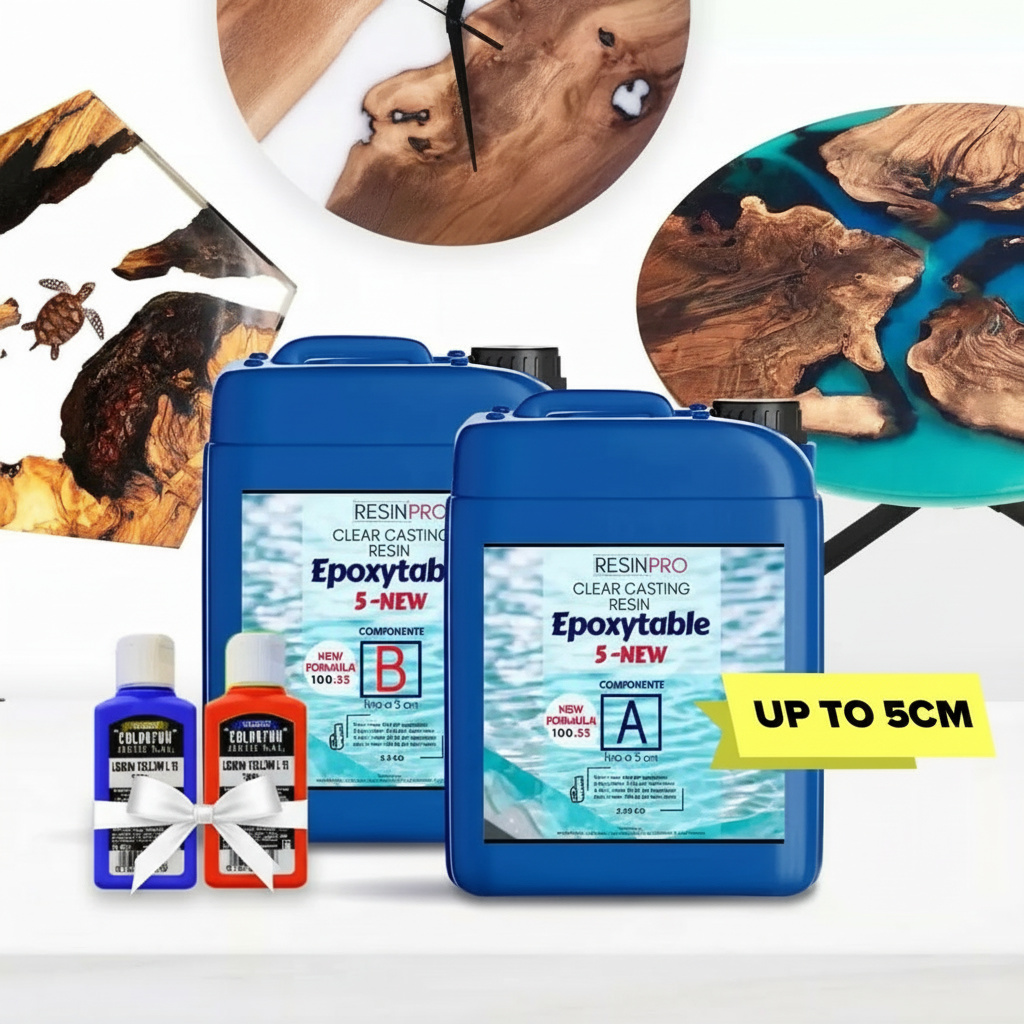
Epoxy resin projects can sometimes go awry, resulting in a sticky or cloudy finish. Understanding what causes these issues helps ensure clear, glassy results in your future pours.
Common Causes of Cloudy or Sticky Finishes
Several factors may leave your epoxy pour hazy or tacky to the touch. Incorrect resin and hardener ratios are a frequent culprit—always measure both precisely as directed by the manufacturer. Incomplete mixing is another major issue, often leaving uncured patches. Lastly, poor environmental conditions such as low temperatures or high humidity can hinder proper curing and clarity.
How to Prevent and Fix Issues
- Accurate Measuring: Use clean, calibrated mixing containers for consistent results.
- Thorough Mixing: Mix slowly but thoroughly for the recommended time, scraping the sides and bottom of your vessel.
- Environmental Control: Work in a dry, dust-free room at the temperature range suggested by your resin.
- Layer Thickness: Respect thickness guidelines—for example, “Trasparente” resin is ideal for pours up to 2cm, while thicker projects need specialist deep-pour products.
If your pour remains sticky, it may need additional cure time. For persistent tackiness, careful sanding and recoating with a fresh layer can help rescue the result.
When This Matters Most
Troubles with clarity and stickiness most often affect deep pours, tabletops, and artwork where a flawless glossy surface is important. Taking care during each step can save time and materials down the line.
Related products
Related guides
By addressing the main causes of cloudy or sticky epoxy, you set the stage for smooth projects every time. For more advice and product options, explore the full guide at how to pour epoxy resin.